

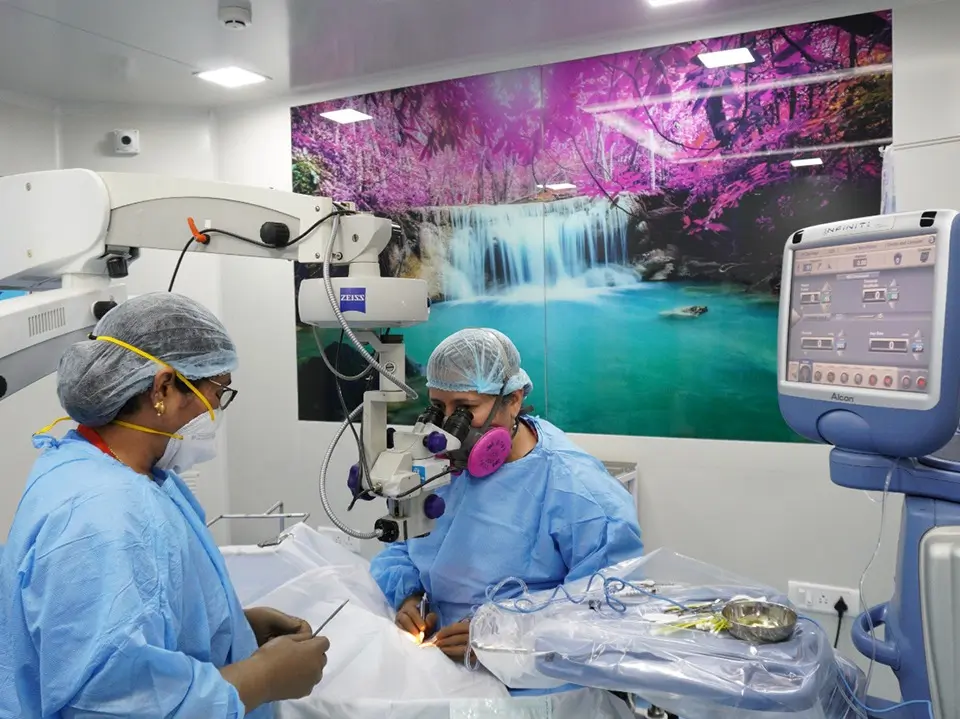
Cataracts are a common vision condition, often associated with aging, that can significantly affect daily life. Over time, they cloud the lens of the eye, making it difficult to see clearly. Cataract surgery is a widely performed procedure that helps restore vision, improving a person’s ability to perform everyday activities and enhancing their quality of life.
What Are Cataracts and How Do They Affect Vision?
A cataract occurs when the lens of the eye becomes clouded, leading to blurred or dimmed vision. This can make it harder to read, drive, or recognize faces. Cataracts often develop gradually and can affect one or both eyes. While they are more common in older adults, they may also occur due to injury, certain medical conditions, or prolonged exposure to ultraviolet light.
Cataracts impact vision in several ways. They may cause colors to appear dull, make it difficult to see at night, or create halos around lights. These changes can interfere with daily tasks, reducing independence. Routine eye exams can help identify cataracts early, allowing patients to seek treatment when their vision is significantly affected.
How Does Cataract Surgery Restore Visual Clarity?
Cataract surgery is a common and effective procedure that removes the clouded lens and replaces it with an artificial one. The artificial lens is designed to improve focus and restore clear vision. The procedure typically takes less than an hour and is performed on an outpatient basis with the use of local anesthesia.
During surgery, the ophthalmologist makes a small incision in the eye to remove the cataract. Once removed, the artificial lens is placed to replace the natural lens. With advancements in technology, some artificial lenses can also correct refractive errors, such as nearsightedness or farsightedness, further improving vision. The recovery period is generally short, and improvements in vision are noticeable soon after the procedure. Many patients find that everyday tasks become significantly easier to manage as their visual clarity improves.
What Lifestyle Improvements Are Common After Cataract Surgery?
Cataract surgery not only restores vision but can also lead to noticeable improvements in daily life. Enhanced eyesight helps individuals regain confidence and increases their ability to engage in various activities.
Common lifestyle benefits:
- Improved mobility
Clearer vision allows individuals to move freely and safely. Tasks like driving, walking in unfamiliar areas, or navigating stairs become easier.
- Enhanced leisure activities
Activities such as reading, sewing, or watching television are more enjoyable with better vision. Bright, clear eyesight can reignite interest in hobbies previously set aside.
- Greater independence
With restored vision, people often feel more capable of managing their daily routines without assistance. This includes tasks like cooking, shopping, and managing their personal finances.
- Better social interactions
Recognizing faces and making eye contact becomes effortless. Improved vision fosters stronger connections and encourages participation in social activities.
The improvements in vision and lifestyle often lead to a sense of fulfillment. Patients frequently report feeling more engaged in life and better equipped to handle tasks that were once challenging.
Consult an Ophthalmologist
Cataracts can interfere with various aspects of daily life, but they are treatable through cataract surgery. Restoring clear vision not only enhances eyesight but also positively impacts mobility, independence, and enjoyment of life. If cataracts are affecting your vision or quality of life, schedule a consultation with an ophthalmologist. They can provide expert advice and determine whether cataract surgery is right for you.