

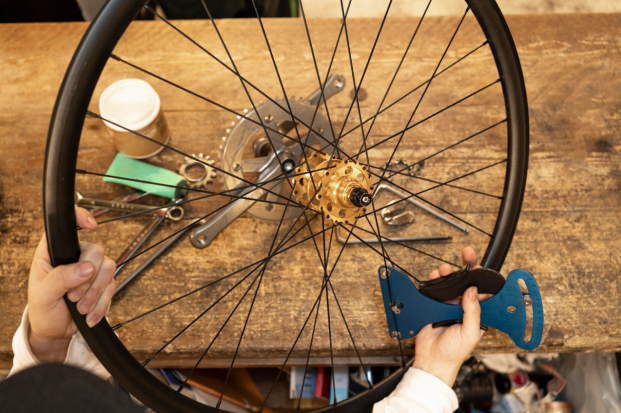
Bicycles, no matter how advanced or expensive, are not immune to manufacturing or design flaws. Defective components can turn a routine ride into a devastating event. If you or a loved one has been harmed in such an incident, seeking legal help for injured cyclists after accidents is essential.
A skilled attorney can help navigate product liability laws and ensure fair compensation for your injuries. This article explores how defective bicycle parts contribute to serious accidents, highlights commonly faulty components, and explains how legal guidance can make a difference in the aftermath of such life-altering events.
The Hidden Risks Behind Manufacturing and Design Flaws
Many bicycle defects aren’t immediately visible. In fact, the most dangerous flaws are often hidden in the manufacturing process, overlooked during assembly, or rooted in poor design decisions. These defects can remain undetected until failure occurs mid-ride, often with devastating consequences.
Common sources of failure include:
- Substandard materials are used in load-bearing parts like forks, frames, and stems.
- Faulty factory or retailer assembly, leading to loose or misaligned parts.
- Design flaws, such as unstable suspension systems or inadequate braking mechanisms.
- Insufficient testing and safety checks before products hit the market.
When manufacturers cut corners or fail to uphold safety standards, cyclists end up paying the price, often with serious physical and financial consequences.
Top Bicycle Component Failures That Often Lead to Serious Accidents
While any part of a bike can fail, certain components are more likely to be defective due to the stresses they endure or flaws in design and production.
1. Brakes
Brake failures are among the most dangerous and can result from hydraulic fluid leaks, faulty calipers, or worn-out cables. Without reliable braking, cyclists are especially vulnerable on descents or in traffic.
2. Quick-Release Skewers
As seen in the Trek recall case, defective skewers can detach during rides or interfere with disc brakes, causing unexpected wheel separation and immediate crashes.
3. Carbon Forks and Frames
While carbon fiber is favored for its strength-to-weight ratio, it’s highly susceptible to sudden breakage if poorly manufactured. Even hairline cracks can lead to full structural collapse.
4. Handlebars and Stems
Defective stems or handlebars may bend, slip, or break under normal pressure. Any failure in steering components can result in the rider losing control within seconds.
5. Pedals and Crank Arms
Failures in these components often happen during intense pedaling—such as during a sprint or climb. A snapped crank arm or pedal can throw a cyclist off balance, leading to a serious fall.
Conclusion
Defective bicycle components pose a serious threat to rider safety, often resulting in severe injuries or life-changing accidents. From hidden design flaws to poor manufacturing practices, these failures can occur without warning and at the worst possible moments. Cyclists rely on their equipment to perform safely, and when that trust is broken, the consequences can be devastating.
If you or a loved one has suffered due to a faulty bicycle part, don’t face the aftermath alone. Seeking legal help for injured cyclists after accidents is a crucial step toward holding negligent parties accountable and securing the compensation you deserve.