

Weight loss is often seen as a matter of calories in versus calories out, but anyone who has tried to shed pounds knows it rarely works that way. Stress and anxiety are powerful, yet often overlooked, barriers that can significantly impact your ability to lose weight. They affect hormones, metabolism, appetite, energy levels, and even decision-making, making it much harder to maintain progress.
FitRx understands these challenges and offers holistic telehealth support that combines personalized guidance with FDA-approved medications for weight management. By addressing both the physiological and behavioral effects of stress, FitRx helps users overcome hurdles that often make weight loss feel impossible.
This article explores how stress and anxiety affect weight loss, the underlying mechanisms, and how FitRx can support individuals in achieving their goals.
Understanding the Connection Between Stress, Anxiety, and Weight
When you experience stress, your body responds by releasing cortisol, often called the “stress hormone.” Cortisol prepares the body for a fight-or-flight response, increasing blood sugar and promoting fat storage, especially around the abdomen. While this response is protective in short bursts, chronic stress keeps cortisol levels elevated, creating an environment that encourages weight gain.
Anxiety compounds these effects. It can reduce motivation, disrupt sleep, and increase emotional eating, all of which hinder progress toward weight loss. The interplay between stress, anxiety, and metabolism means that even the most disciplined diet or exercise routine may not produce expected results.
FitRx addresses these challenges directly. Through personalized guidance and, when appropriate, weight loss medications, FitRx helps regulate appetite, improve energy, and restore hormonal balance, making weight management more achievable.
How Stress Affects Eating Behaviors
Stress significantly influences eating habits. High cortisol levels increase cravings for sugary, fatty, or highly processed foods. This is part of the body’s natural response to perceived danger, but in modern life, it often leads to overconsumption of calories. Emotional eating is another common result. Many people use food as a coping mechanism to manage stress or anxiety, leading to eating patterns that undermine weight loss goals.
FitRx helps users recognize these patterns and implement strategies to control them. By combining behavioral guidance with medications that regulate appetite, FitRx allows individuals to maintain a consistent calorie deficit and avoid stress-induced overeating.
Hormonal Disruption and Metabolic Effects
Stress and anxiety do more than influence behavior; they directly impact hormones that control metabolism and fat storage. Cortisol, insulin, leptin, ghrelin, and thyroid hormones all play a role in weight regulation. Chronic stress can reduce leptin sensitivity, increase ghrelin, and promote insulin resistance, making it harder to feel full, increasing cravings, and slowing fat burning.
Anxiety and chronic stress can also affect thyroid function, slowing metabolism and reducing energy levels. This means that the same diet and exercise routine that initially produced results may become less effective over time. FitRx addresses these challenges through comprehensive support, combining lifestyle guidance with medications when necessary to restore balance and promote effective weight loss.
Sleep and Recovery
Sleep is one of the most important yet underestimated factors linking stress and weight loss. Poor sleep caused by stress or anxiety affects appetite hormones, reduces energy, and slows metabolism. People who sleep poorly are more likely to consume extra calories, crave high-sugar foods, and skip workouts due to fatigue.
FitRx emphasizes sleep optimization as part of its holistic approach. Users receive guidance on creating restorative routines, improving sleep hygiene, and managing stress before bedtime. For individuals whose weight loss is heavily impacted by hormonal or metabolic challenges, medications offered by FitRx can support appetite regulation and improve energy, making it easier to stay consistent.
Motivation, Energy, and Exercise
Stress and anxiety can reduce both motivation and energy levels, making it difficult to maintain regular physical activity. Fatigue from poor sleep, hormonal disruptions, or chronic stress can make workouts feel exhausting, causing some people to skip sessions entirely. Reduced activity further slows metabolism and limits calorie burn, creating a cycle that hinders progress.
FitRx designs exercise plans tailored to individual energy levels and schedules, ensuring that workouts are achievable and effective. For those struggling with appetite or cravings caused by stress, medications offered by FitRx complement exercise and dietary efforts, enhancing overall weight loss outcomes.
Emotional Eating and Psychological Triggers
Many people eat in response to emotions rather than true hunger, especially during periods of stress or anxiety. Emotional eating often involves calorie-dense, low-nutrient foods, and over time, these habits can offset even the most disciplined diet. Recognizing and addressing psychological triggers is critical for long-term success.
FitRx provides strategies to manage emotional eating through counseling, behavior modification, and professional guidance. When necessary, medications that reduce appetite or cravings are incorporated into personalized plans, helping users control their intake without relying solely on willpower.
Weight Loss Plateaus and Stress
Even when diet and exercise are consistent, stress and anxiety can contribute to weight loss plateaus. Elevated cortisol promotes fat retention, disrupts metabolism, and increases appetite. Combined with poor sleep and emotional eating, stress can make it appear as though efforts are not working.
FitRx supports users during these plateaus by analyzing dietary patterns, adjusting exercise routines, and recommending medications when appropriate. This integrated approach ensures that plateaus are temporary and manageable rather than discouraging.
Strategies to Overcome Stress-Related Barriers
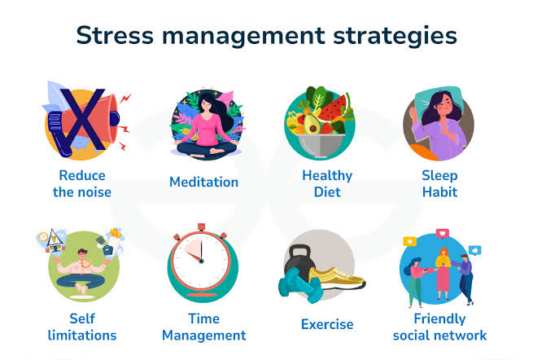
Overcoming the effects of stress on weight loss requires both physiological and behavioral strategies. Mindful eating can help distinguish between hunger and emotional cravings. Regular physical activity reduces cortisol and improves mood, creating a positive feedback loop for weight management.
Restorative sleep and stress management techniques, such as meditation, deep breathing, and journaling, also play a key role. For individuals whose stress and anxiety significantly impact appetite or metabolism, FitRx medications provide additional support, helping regulate hunger and stabilize weight loss even in challenging situations.
By addressing stress holistically, individuals can regain control over their weight loss journey and maintain long-term results.
Motivation and Mindset
Weight loss is as much a mental journey as a physical one. Stress and anxiety can make the process feel overwhelming, but understanding how they impact your body empowers you to take control. Professional support from FitRx provides both the knowledge and tools necessary to navigate these challenges.
Users are guided to set realistic goals, recognize progress, and approach setbacks with a constructive mindset. By addressing stress proactively, leveraging professional guidance, and using medications when appropriate, individuals can achieve sustainable weight loss while maintaining confidence and motivation.
Conclusion
Stress and anxiety significantly impact weight loss by influencing hormones, appetite, metabolism, energy, and behavior. They contribute to emotional eating, reduced motivation, poor sleep, and weight loss plateaus, making progress slower and more difficult.
FitRx offers a holistic solution that addresses both the psychological and physiological aspects of stress-related weight management. Through telehealth guidance, personalized nutrition and exercise plans, and FDA-approved medications, FitRx helps users overcome obstacles and achieve sustainable results.
Managing stress is not just about mental well-being, it is essential for effective weight loss. With the right support, tools, and medications from fitrxapp.com, individuals can regain control, maintain energy, regulate appetite, and achieve long-term success in their weight loss journey.