

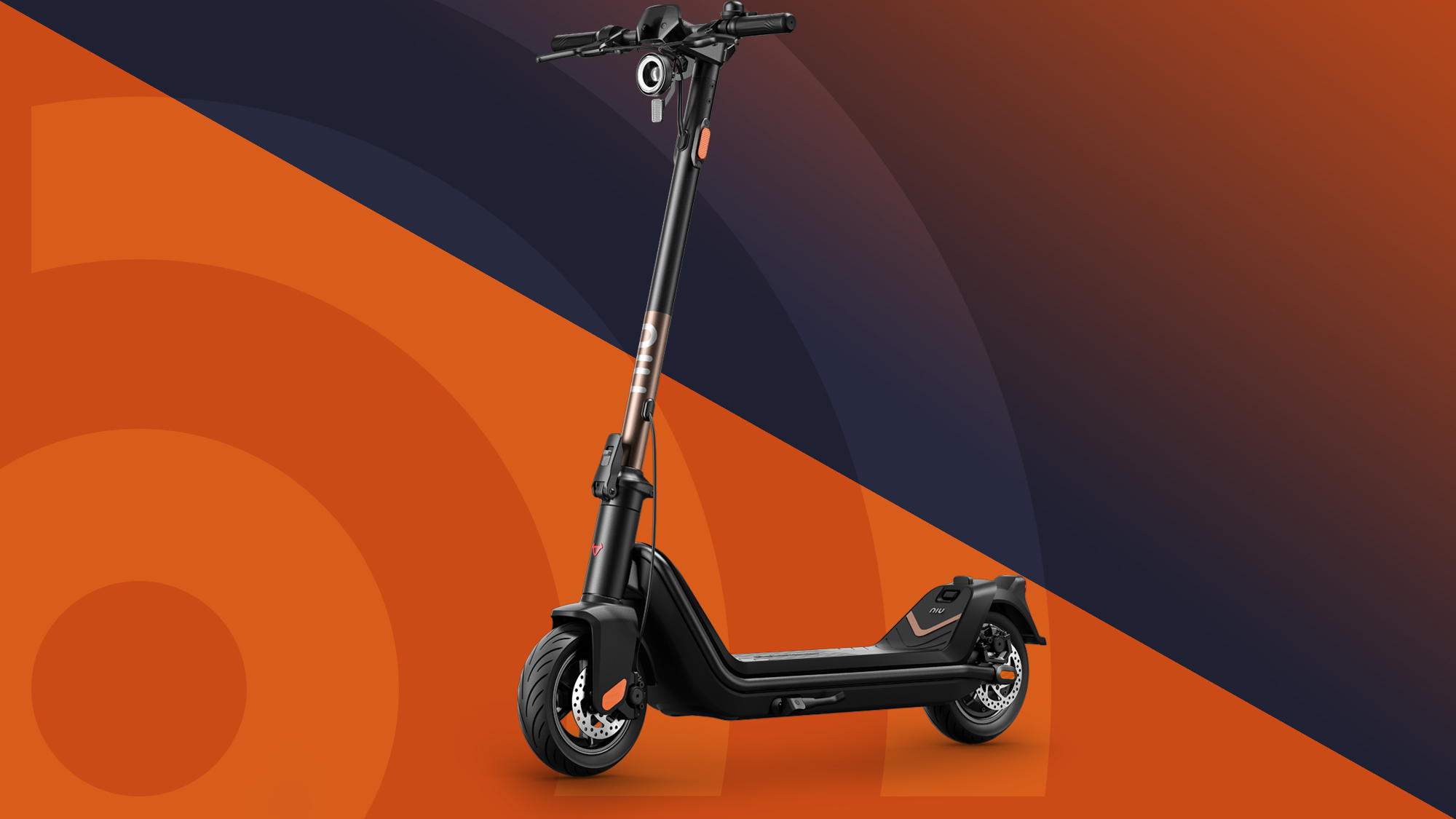
Imagine living in a city where everything you need can be reached within 15 minutes on foot, bike, or scooter – that’s the goal of 15-minute city. Doing so would cut vehicle emissions and air quality issues significantly as well as free up roads and parking spaces for other uses.
Implemented through infrastructure that prioritizes people, including protected bike lanes and seamless integration with public transit, this goal can be reached. London transport efficiency · sustainable London transport study.
Defining the 15-Minute City
As urban planners and policymakers strive to create more sustainable, livable communities worldwide, they are reimagining how cities should be designed. One popular strategy is the 15-minute city – which advocates that everything people need – from work to groceries – should be within a 15-minute journey from home. E-scooters play a prominent role in this trend as they can quickly make trips between public transit stops and daily destinations. But what exactly is this approach and how does it differ from existing approaches to urban planning?
Carlos Moreno is often credited with coining the phrase, but its roots go much deeper – to neighborhood unit theory, Garden Cities, and Jane Jacobs’ push for walkable neighborhoods. Within urban design terms, 15-Minute City can often be seen as an example of New Urbanism; however it can apply to any city or town.
The popularity of 15-minute cities may stem from its unique, colloquial packaging; but it has also become an easily applicable catchphrase that easily connects with urban living trends. Consumer megatrends focus on local shopping and food delivery services, support of neighborhood businesses and an increasingly car-free lifestyle; COVID-19 intensified this urgency and made meeting basic needs within walking, biking or transit distance a matter of life or death.
As cities adopt the 15-minute city concept, they are reconceptualizing streets to favor cycling and pedestrians over cars, redesigning public spaces to be more social, and exploring alternative forms of transport. Paris has been at the forefront of these changes with Mayor Anne Hidalgo making her adoption of this strategy part of her 2020 reelection campaign strategy.
But the 15-minute city does present its own set of challenges. As more municipalities adopt its concept, it’s critical that we fully comprehend its implications and ensure policies address issues related to it. To help municipalities make informed decisions, we have identified seven general pitfalls which must be avoided in order to maximize its benefits and realize its full potential.
London’s Trial Zones at a Glance
E-scooters have met with some resistance in some cities, particularly as young people swarm the sidewalks like locusts. E-scooter companies have come under scrutiny for fouling neighborhoods, causing pedestrian accidents, failing to follow traffic laws and vandalizing or leaving their e-scooters abandoned on trees, lakes or beaches; yet many are working hard to overcome any negative reaction they encounter, offering cities $1 per scooter per day as compensation.
Dott and Lime, two rental operators participating in London’s e-scooter trial, have delivered more than three million trips since it started two years ago. Their success can be attributed to both participating boroughs as well as joint efforts between operators and TfL to improve geofencing technology, increase parking compliance rates, and expand scooter parking bays.
Although the zone system can seem confusing at first, with practice it can become easier to use your e-scooter to navigate your city with ease and save money by limiting how many zones you travel across. Tools like Google Maps, the TFL app or urbanest guides will help keep you on the right path!
Transport options such as the London Tube can also provide an effective means of getting to work, though you’ll need to factor in zone changes based on your destination. For instance, if traveling north from central London without changing zones is your goal, take an overground train to London Bridge before changing zones or switching onto the Northern line at Elephant & Castle (if required) instead and purchase tickets covering multiple zones as this will save time on ticketing issues.
Other transportation options in London include biking and walking as well as taxis; although these methods of travel require more planning to implement efficiently. Yet these forms of transport provide healthy alternatives that save both time and money for commuters looking for ways to cut back. Whether moving there permanently or visiting for the first time, it’s crucial that you become acquainted with its various zones before making plans to explore London further.
E-Scooter Impact on Commute Times
E-scooters provide an efficient and cost-cutting way of moving around quickly. Ideal for trips under 5 miles in length, their speed and agility enable users to keep both feet on the ground while taking advantage of public transit’s flexibility; their quickness reduces travel times over other modes of transport such as buses.
E-scooters also help eliminate parking needs, providing people with an easier and faster means to reach a central hub such as their home or workplace. A recent survey discovered that riders on average shared e-scooter trips traveled 2.6 miles; saving significant time over driving or finding parking options by opting for this fast, affordable solution instead.
E-scooters enable integration between other modes of transport such as public buses, trains and trams – further decreasing environmental impact by shortening distance between them and alleviating road congestion. It is common to see people sharing an e-scooter to reach the station before using either public bus/train transport to complete their journey on foot; making the best use possible of our public transport network.
E-scooters present cities with the opportunity to collect data they otherwise wouldn’t obtain through less digitized modes of transportation, like public transit usage or private car ownership. E-scooter companies allow track each scooter’s movements, and in exchange for deployment permits they are obliged to share this data with cities where they operate.
Cities looking to optimize their public transport systems must carefully interpret these new data sources. E-scooter use is growing quickly but does not yet represent a significant share of all trips; to take full advantage of its opportunities presented by this mode, cities should implement push and pull measures designed to increase usage while simultaneously decreasing car usage; push measures could include raising parking fees or tolling roads while pull measures could include making switching more affordable and accessible for people.
Safety & Policy Considerations
Public transportation systems that are safe and accessible to all citizens is key to building cities that are inclusive and equitable for their inhabitants. E-scooters can play an important role in this effort by decreasing car dependency and travel times, but as they become increasingly prevalent cities must carefully consider their safety implications as their use proliferates.
E-scooter collisions present a great danger, often injuring children, the elderly and disabled individuals. Their high possible speeds (24kph to 48kph) compared with pedestrian walking pace (4-6 kph) makes e-scooters particularly likely to cause severe injuries among these groups.
Understanding e-scooter crash data is vital to planning for and mitigating risks related to these vehicles, but data available is often incomplete as many accidents go unreported to authorities and most available crash statistics focus on only certain cities with dense populations. Future research should therefore collect more comprehensive crash statistics from across various cities by employing multiple methods for collecting them as well as understanding why crashes happen in greater depth.
One potential solution would be for companies to deploy their scooters in underserved neighborhoods – as has already been implemented in St. Louis, Missouri – thus improving access and safety for marginalized populations while expanding use of the system overall. Other policies might involve restricting speed to 20 mph, designingate parking zones or mandating helmets.
Another essential point is that most e-scooter accidents can be avoided through adopting defensive riding strategies. By adopting a proactive mindset and being prepared to brake or swerve quickly should other road users act unexpectedly, an injury-free ride can be ensured. Furthermore, adapting to road conditions and maintaining steady speeds allows drivers to adapt their driving styles as required and reduces risks significantly.
Education efforts must also be undertaken in order to raise e-scooter awareness among the general population. As most riders lack formal training or experience and usually only possess limited knowledge of road rules, rider licensing could help facilitate safer outcomes by developing riding skills and increasing awareness levels regarding relevant rules; however, its implementation and management costs should be carefully considered, since this option could limit access to e-scooters by those unable to purchase their own vehicles.