

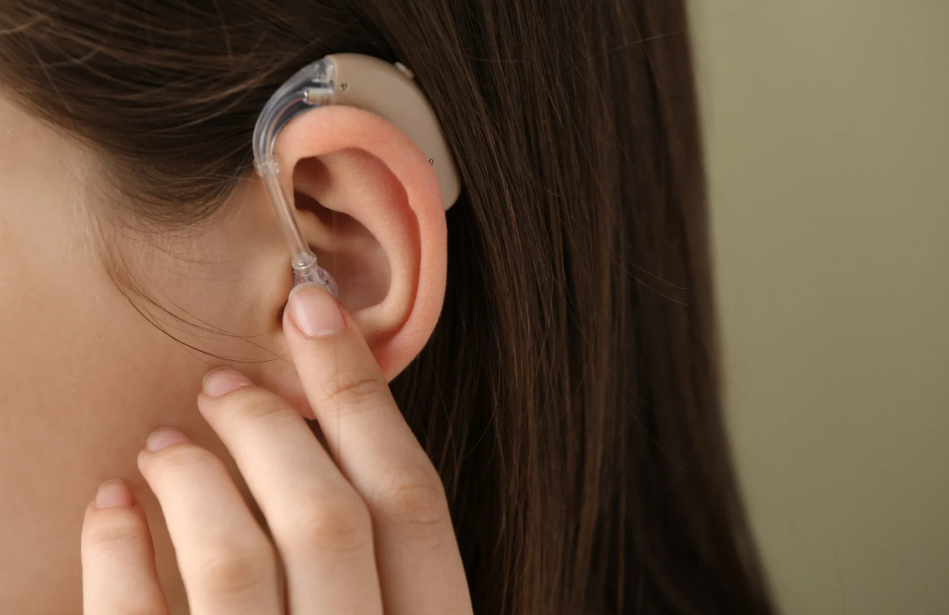
Hearing aid devices are very good at helping people live lives. The hearing aid devices really do transform daily living for people who have trouble hearing. People who use these devices are very happy because they can hear the things that they want to hear. The hearing aid devices make a difference, in the daily lives of people who use them. People do not know what they are missing until they get their hearing aid. It is a deal when someone can hear birds singing again after a long time. They might even notice the sound of a turn signal, in their car. These things might seem small. They are important.
Hearing aids do not just make sounds louder. They help people hear all the things that make life interesting like the sound of birds or a turn signal. Hearing aids bring back all the sounds that people stopped hearing a long time ago and they did not even notice they were gone. Hearing aids make life better by bringing back all these little sounds.
Understanding the Technology
Here’s something audiologists rarely mention upfront. Your brain needs time to relearn sounds it’s been ignoring. Modern hearing aids don’t work like glasses that instantly correct your vision. The digital processors inside separate speech from noise. Your brain has spent years compensating for hearing loss by filling in gaps and making guesses. When you first wear hearing aids, your own footsteps might sound unnaturally loud. Your voice might seem strange. This adjustment period catches people off guard, though it’s temporary. The devices are doing their job. Your auditory system just needs to catch up.
Reconnecting Socially
There’s a specific type of exhaustion that comes from pretending you’ve heard what someone said. You smile and nod. You hope your response makes sense. After a while, it’s easier to avoid situations where you’ll have to fake it. What’s interesting is that hearing aid devices don’t just restore your ability to hear conversations. They eliminate the mental fatigue of constantly guessing. People often report feeling less tired at the end of social events. Not because the hearing aids gave them energy. It’s because they stopped burning through mental resources trying to decode half-heard sentences.
Enhanced Safety Awareness
The kitchen becomes a surprisingly dangerous place when you can’t hear the timer. The kettle whistling. Oil starting to spit in a pan. One user described finally hearing their grandchild’s footsteps on the stairs. Something that mattered because the child moved silently in their world for months. These aren’t dramatic safety moments. They’re the quiet risks that accumulate when environmental sounds fade away. Hearing aids restore a kind of spatial awareness. It’s hard to describe until you’ve lost it.
Professional Advantages
Conference calls expose hearing loss faster than anything else. When everyone’s voice comes through a speaker at similar volumes, the usual visual cues disappear. You can’t lip-read. You can’t tell who’s speaking. Modern hearing aid devices with Bluetooth streaming solve this. There’s an unexpected benefit though. Colleagues stop repeating themselves, which changes how they perceive your competence. It’s not fair, but it’s true. Being able to respond immediately instead of asking “sorry, what was that?” shifts workplace dynamics. Subtle but meaningful ways that add up over time.
Maintaining Mental Sharpness
Your brain doesn’t like working harder than necessary. When it struggles to decode unclear sounds, it borrows resources from other cognitive tasks. This isn’t theory. People with untreated hearing loss often describe feeling mentally foggy. Particularly in noisy environments. What’s less discussed is how quickly this reverses. Some hearing aid users notice improved concentration. Not because the devices make them smarter. Their brain stops wasting energy on auditory guesswork. It redirects that power where it’s actually needed.
Physical Activity Benefits
Group fitness classes rely heavily on instructor cues you might not realise you’re missing. Yoga instructors often speak softly. Cycling coaches shout over music. Swimming instructors give directions from pool edges. Hearing aids designed for active use stay secure during movement and resist sweat. The real advantage is staying connected to the group rhythm though. You won’t be constantly watching for visual signals anymore. Just following along naturally like everyone else.
Independence and Confidence
There’s a particular anxiety that comes from wondering if you heard the doctor’s instructions correctly. Or if you misunderstood what time to meet someone. Second-guessing yourself becomes habitual. Hearing aids don’t just restore sound. They restore certainty. You stop wondering if you missed something important. That shift affects decision-making and social planning. Your willingness to try new situations changes in ways that aren’t immediately obvious. But they accumulate over time.
Conclusion
The real value of hearing aid devices emerges in moments most people take for granted. Hearing rain on the roof. Catching a joke the first time it’s told. Knowing exactly what your doctor said without asking twice. These devices don’t cure hearing loss, but they close the gap between isolation and participation. For anyone hesitating because they’re “not that bad yet,” consider this. The longer you wait, the harder your brain works to compensate. The adjustment period becomes longer and more challenging.