

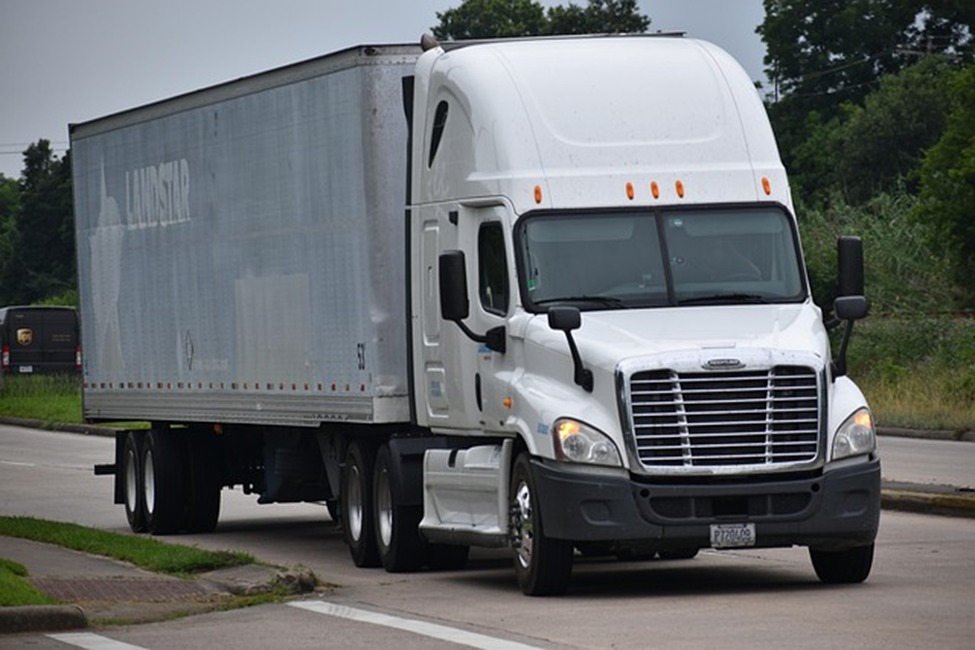
Commercial truck crashes often result in severe injuries, extensive property damage, and complex legal disputes. Determining liability in these cases is far more complicated than in standard car accidents because multiple parties, federal regulations, and layers of insurance coverage may be involved. Understanding how fault is established can help injured parties protect their rights and pursue fair compensation.
Understanding Liability in Commercial Truck Accidents
Liability refers to legal responsibility for causing an accident and the resulting damages. In commercial truck crashes, liability is rarely limited to just one person. Because trucking is a heavily regulated industry involving drivers, employers, contractors, and manufacturers, fault may be shared among several entities.
Why Truck Accident Liability Is More Complex Than Car Accidents
Unlike passenger vehicle accidents, commercial trucking cases often involve:
- Corporate employers rather than individual drivers alone
- Federal and state safety regulations
- Commercial insurance policies with high coverage limits
- Detailed records such as driver logs, maintenance reports, and black box data
These factors make determining fault a fact-intensive process that typically requires legal and technical expertise.
The Role of Negligence in Truck Crash Claims
Most truck accident liability determinations are based on negligence. To prove negligence, an injured party must generally establish four elements: duty of care, breach of that duty, causation, and damages.
Duty of Care for Commercial Truck Drivers
Commercial truck drivers owe a heightened duty of care due to the size and weight of their vehicles. They are expected to operate their trucks safely, follow traffic laws, comply with hours-of-service rules, and adjust driving behavior to road and weather conditions.
Breach of Duty and Unsafe Driving Practices
A breach occurs when a driver fails to meet this duty of care. Common examples include:
- Speeding or aggressive driving
- Distracted driving, including phone use
- Driving under the influence of drugs or alcohol
- Fatigue from exceeding allowable driving hours
When such actions lead to a crash, the driver may be held legally responsible.
Potentially Liable Parties in Commercial Truck Crashes
One of the defining features of truck accident cases is the number of parties who may share liability.
Truck Drivers
Drivers can be personally liable when their negligent actions—such as reckless driving or violating safety rules—cause an accident. Even so, drivers are often not the only ones responsible.
Trucking Companies and Employers
Trucking companies may be held liable under the legal doctrine of vicarious liability if a driver causes a crash while performing job-related duties. Employers can also be directly liable for:
- Negligent hiring or training
- Failing to enforce safety policies
- Encouraging unrealistic delivery schedules
Vehicle Owners and Leasing Companies
If the truck is owned or leased by a party other than the driver’s employer, that entity may share responsibility, particularly if poor maintenance or unsafe equipment contributed to the accident.
Cargo Loaders and Shippers
Improperly loaded or overloaded cargo can destabilize a truck, leading to rollovers or jackknife accidents. In such cases, the company responsible for loading the cargo may be partially or fully liable.
Manufacturers and Maintenance Providers
Defective parts—such as brakes, tires, or steering components—can cause or worsen accidents. Manufacturers or maintenance contractors may be liable if a defect or improper repair played a role.
The Impact of Federal and State Regulations
Commercial trucking is governed by extensive regulations that play a crucial role in determining liability.
Federal Motor Carrier Safety Regulations (FMCSRs)
The Federal Motor Carrier Safety Regulations set standards for driver qualifications, hours of service, vehicle maintenance, and cargo securement. Violations of these rules can serve as strong evidence of negligence. Information about these regulations is maintained by the Federal Motor Carrier Safety Administration, which oversees commercial motor vehicle safety nationwide.
State Laws and Comparative Fault
State laws also influence liability determinations. Some states follow comparative fault rules, meaning compensation may be reduced if the injured party is partially responsible. Understanding how state and federal rules interact is essential in truck accident claims.
Evidence Used to Determine Liability
Because of the complexity of commercial truck crashes, evidence plays a critical role in assigning fault.
Accident Scene Evidence
Police reports, witness statements, photographs, and video footage help establish what happened immediately before and during the crash.
Electronic Logging Devices and Black Box Data
Most commercial trucks are equipped with electronic logging devices (ELDs) and event data recorders. These systems can provide information about speed, braking, hours driven, and driver behavior leading up to the collision.
Maintenance and Employment Records
Maintenance logs may reveal neglected repairs, while employment records can show inadequate training or prior safety violations. These documents often point to corporate negligence rather than driver error alone.
How Insurance Companies Influence Liability Decisions
Commercial trucking companies typically carry large insurance policies. Insurers conduct their own investigations and may attempt to shift blame to minimize payouts. This can involve disputing fault, questioning the severity of injuries, or alleging comparative negligence.
Understanding how insurers operate is vital when navigating a commercial truck accident claim, especially when multiple policies and defendants are involved.
The Importance of Legal Guidance in Truck Accident Cases
Given the high stakes and legal complexity, many injured parties seek professional legal assistance. A knowledgeable attorney can identify all potentially liable parties, preserve critical evidence, and counter insurance company tactics.
Choosing the Right Legal Support
Working with a firm experienced in truck accident litigation can make a significant difference. Resources such as this legal directory can help individuals learn more about a firm’s background and focus areas.
For those seeking localized experience and insight, Haque Law truck accident lawyer in Houston offers guidance tailored to the unique challenges of commercial trucking cases.
Conclusion
Determining liability in commercial truck crashes requires a thorough investigation, a clear understanding of negligence principles, and careful analysis of federal and state regulations. Because multiple parties may share responsibility, identifying all sources of liability is essential for achieving fair outcomes.
By understanding how fault is established—and why these cases differ from ordinary car accidents—injured individuals can make more informed decisions and better protect their legal rights after a serious truck crash.