

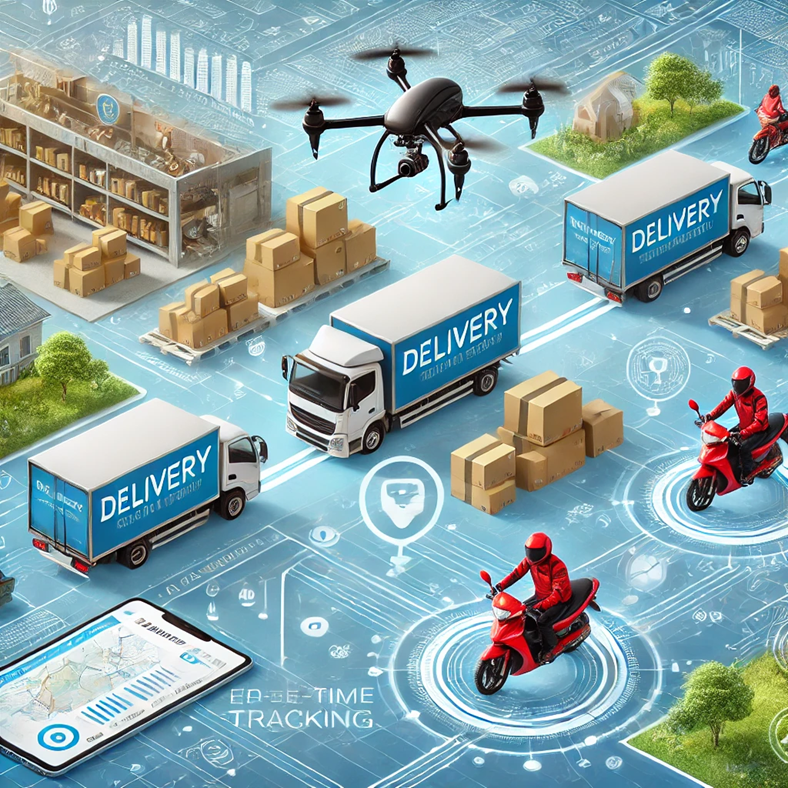
E-commerce in Pakistan has seen exponential growth in recent years, driven by increased internet penetration, smartphone adoption, and evolving consumer preferences. One of the most crucial aspects enabling this growth is the advancement in logistics and delivery services. As logistics infrastructure continues to improve, e-commerce businesses are able to offer faster, more reliable, and cost-effective deliveries. This article explores how logistics and delivery services are enhancing e-commerce in Pakistan.
1. The Rise of Local and International Logistics Providers
Pakistan’s logistics industry has seen a surge in local and international courier services catering specifically to e-commerce businesses. Companies such as TCS, Leopards, BlueEx, and Pakistan Post have expanded their operations to ensure nationwide coverage. Additionally, international logistics firms like DHL and FedEx facilitate global shipments, allowing Pakistani businesses to reach international markets.
2. Expansion of Last-Mile Delivery Solutions
Last-mile delivery plays a crucial role in e-commerce success, ensuring that orders reach customers efficiently. New players and startups, such as Bykea and Cheetay, have entered the market, providing innovative last-mile delivery solutions using motorbikes and localized logistics networks. These services significantly reduce delivery times and improve customer satisfaction.
3. Improved Warehousing and Fulfillment Centers
The growth of dedicated fulfillment centers and warehouses has streamlined supply chain operations. Large e-commerce platforms such as Peshawari Chappal Online Store have established warehouses in major cities like Karachi, Lahore, and Islamabad to store inventory and facilitate quicker dispatching. The emergence of third-party logistics (3PL) providers is also supporting smaller businesses in managing inventory and order fulfillment efficiently.
4. Integration of Technology in Logistics
Technology-driven solutions have transformed logistics in Pakistan. Real-time tracking, automated dispatch systems, and AI-based route optimization are making deliveries faster and more efficient. Many logistics companies now offer live tracking for customers, improving transparency and trust.
5. Cash on Delivery and Digital Payment Integration
Cash on Delivery (COD) remains a popular payment method in Pakistan, but logistics providers are integrating digital payment solutions to facilitate smoother transactions. Companies now offer mobile wallets and POS systems at delivery points, encouraging customers to transition to digital payments and reducing the risks associated with handling cash.
6. Overcoming Infrastructure Challenges
While logistics in Pakistan has improved, challenges such as poor road conditions, lack of address standardization, and high delivery costs persist. To address these, companies are investing in infrastructure development, efficient route planning, and partnerships with ride-hailing services for last-mile delivery.
7. The Future of E-commerce Logistics in Pakistan
The future of e-commerce logistics in Pakistan looks promising with increasing automation, the use of drones for deliveries, and AI-powered logistics management. As more businesses invest in logistics infrastructure, delivery services will become more seamless, contributing to further e-commerce growth in the country.
Conclusion
Logistics and delivery services are the backbone of Pakistan’s e-commerce industry. With advancements in technology, increased competition, and better infrastructure, online businesses can now provide faster, more reliable, and cost-effective shipping solutions. As logistics services continue to evolve, e-commerce in Pakistan will reach new heights, benefiting both businesses and consumers.