

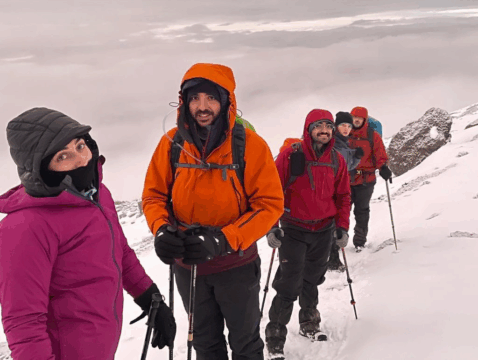
Training for Mount Kilimanjaro trekking is not hard work, but I need a plan. People think only strong athletes go, but normal people also can if they train a little and understand mountains. Kilimanjaro stands big and proud in Tanzania. It is the highest free-standing mountain in the world. Many want to go there. They ask the same question: how long does it take to train? The answer is not the same for all, but some patterns emerge. You learn by reading this.
Understanding Mount Kilimanjaro Trekking
Mount Kilimanjaro trekking is not like a small hill walk. It is long, high altitude, and thin air. Paths go through forest, moorland, alpine desert, and ice top. You start low and go high. You walk each day for many hours. You sleep in a tent or hut. You wake up early and go again. But good thing, trails do not need rope climbing. It is for trekking only. So training is more about stamina and breathing and mental strength. People from many countries come. Some do groups, some solo.
How Long Does It Take to Climb Kilimanjaro?
People confuse training time and climbing time. They ask how long it takes to climb Kilimanjaro. Real climbing on mountains usually takes 5 to 9 days. There are routes that are shorter but risk more. There are longer routes, but the chance of success is higher. So when you hear “climb Kilimanjaro in 5 days,” it means a fast route. But the fast route means less acclimatization and more hard breathing. Many guides recommend a 7- or 8-day plan for good success. So when planning training, you also think about which route you take.
Why Training Matters Before Trekking
Altitude sickness No look at fitness, but fitness helps your body fight. When you train, you walk more comfortably. You recover faster each day. Your leg does not cry. Your lungs feel ready. Also the mental part. You feel less panic. Training gives confidence. Even if the mountain is high, you are still calm because you know you are prepared. People who train enjoy more views because they do not suffer too much.
How Long to Train
Many experts say it starts 8 to 12 weeks before. Some say 3 months. Some hikers can start 6 weeks before. It depends on your base fitness. If you are not active now, you need more time. Begin with walking short distances. Add a longer walk. Add stair climbing. Add a small hike with a backpack. Each week adds a little more. Like natural growth. If you are already a runner, you only adjust for uphill with weight. Training is not only physical. Also practice gear. Wear boots you plan to wear. Break them.
Training Steps for Mount Kilimanjaro Trekking
One day you walk 3 miles slowly. Next week 5 miles. Then 7. Add a hill. Add stairs. On weekends, I do long hikes. Carry pack 5 kg. Then 8 kg. Practice breathing slowly and deeply. Practice drinking water. Train to eat snacks while walking. Small details matter when on a mountain. Also do squats, lunges, and core. This makes the knee stable. This all sounds like a small but big result. When you reach the alpine desert, you thank yourself.
Climb Kilimanjaro in 5 Days
Some people read about climbing Kilimanjaro in 5 days. They think quick and cheap. But a 5-day climb is not the same as a 5-day vacation. It’s hard. It pushes. Less time for the body to adjust. More risk of getting sick. Some still make it. They are very fit or lucky. If you plan 5 days, your training must be more intense. You train more uphill. You sleep less. You push yourself. Also mentally strong because last day’s summit night was long and cold. But still possible. Many local guides offer this because some tourist times are short. But if you can choose, take longer.
Best Time to Climb Kilimanjaro
Training also depends on when you go. The best time to climb Kilimanjaro is in the dry season. January to March. June to October. These months have less rain and better trails. In a wet month you need extra mental strength. Mud, slippery path. If you have the best time, you can train normally. If it is raining, you can also train with wet gear. Practice in rain. Get used to heavy boots. This small preparation makes a big difference.
Mixing Training With a Real Hike
When you train, not just at the gym. Go outside. Find a hill. Walk in the park. If there is no mountain nearby, build stairs. Carry a water bottle. Make fun. Invite friends. Talk while walking. This mimics altitude breathing because you are still talking while moving. Practice two days in a row to simulate a multi-day trek. Sleep a little less before hiking to test your body. These simulate Kilimanjaro days.
Mental Preparation
Bad grammar but true heart: mind matters more than leg sometimes. When cold, dark, or tired, you keep going. Tell yourself you can. Look up at the star, and think about why you came. This mental preparation is also part of training. Practice meditating. Practice slow breathing. Practice positive talk. When you train physically, you also train mentally.
Gear Practice During Training
When you walk with a new boot, blisters come. Better blisters at home than in the mountains. So break gear. Try layering. Practice taking the jacket off and putting it on. Practice walking with a trekking pole. This small thing saves time on the mountain. Also practice packing your bag quickly. On a cold morning in Kilimanjaro, you do not want to waste time.
Food and Hydration
Training also involves learning how much water you drink. On the mountain you need to drink 3 to 4 liters each day. Practice carrying water. Practice snacks like nuts and energy bars. Some stomachs do not like some food at altitude. So test. This reduces surprise later.
Sample Training Plan for 3 Months
Month one: walk 3 to 4 times a week, 3 to 5 miles. Weekend hike: 2 hours. Light pack.
Month two: walk 4 to 5 times a week, 5 to 7 miles. Weekend hike: 4 hours. Hill included. Pack heavier. Add gym squat lunges.
Month three: walk 5 times a week, 7 to 9 miles. Weekend back-to-back hike. Pack near real weight. Practice early in the morning. Practice mental talk.
This simple plan. Adjust for your life. But show ideas.
Altitude Reality
Even if the train is good, altitude can still hit. So plan a slower route. Take the guide’s advice. Drink water. Walk slowly. Pole pole, as they say in Swahili. This means slowly, slowly. Training is not magic but a big help.
Why Good Flow Training Helps Enjoy the View
When you reach the top, the sun rises over Africa. Glaciers sparkle. You are tired but smile. You remember all those stairs, all those weekend hikes. You feel proud. Because training gives you a chance to enjoy yourself. People who do not train may also reach it, but they suffer more. Some turn back. Some cry. But you stand proud.
Combining Treks and Travel
Many visitors to Tanzania also combine other treks or safaris. After Kilimanjaro, some go to Serengeti, and some go to Zanzibar. Some even plan Mount Meru before Kilimanjaro as a warm-up. This is also training. If you do Meru first, you acclimatize. Then Kilimanjaro felt easier. So training can be on real mountains also.
When you walk with a new boot, blisters come. Better blisters at home than in the mountains. So break gear. Try layering. Practice taking the jacket off and putting it on. Practice walking with a trekking pole. This small thing saves time on the mountain. Also practice packing your bag quickly. On a cold morning in Kilimanjaro, you do not want to waste time.
Food and Hydration
Training also involves learning how much water you drink. On the mountain you need to drink 3 to 4 liters each day. Practice carrying water. Practice snacks like nuts and energy bars. Some stomachs do not like some food at altitude. So test. This reduces surprise later.
Sample Training Plan for 3 Months
Month one: walk 3 to 4 times a week, 3 to 5 miles. Weekend hike: 2 hours. Light pack.
Month two: walk 4 to 5 times a week, 5 to 7 miles. Weekend hike: 4 hours. Hill included. Pack heavier. Add gym squat lunges.
Month three: walk 5 times a week, 7 to 9 miles. Weekend back-to-back hike. Pack near real weight. Practice early in the morning. Practice mental talk.
This simple plan. Adjust for your life. But show ideas.
Altitude Reality
Even if the train is good, altitude can still hit. So plan a slower route. Take the guide’s advice. Drink water. Walk slowly. Pole pole, as they say in Swahili. This means slowly, slowly. Training is not magic but a big help.
Why Good Flow Training Helps Enjoy the View
When you reach the top, the sun rises over Africa. Glaciers sparkle. You are tired but smile. You remember all those stairs, all those weekend hikes. You feel proud. Because training gives you a chance to enjoy yourself. People who do not train may also reach it, but they suffer more. Some turn back. Some cry. But you stand proud.
Combining Treks and Travel
Many visitors to Tanzania also combine other treks or safaris. After Kilimanjaro, some go to Serengeti, and some go to Zanzibar. Some even plan Mount Meru before Kilimanjaro as a warm-up. This is also training. If you do Meru first, you acclimatize. Then Kilimanjaro felt easier. So training can be on real mountains also.