

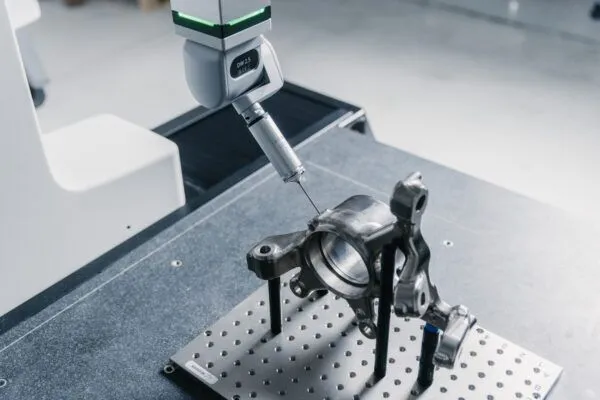
Precision is one of the most valuable assets in modern manufacturing. Whether producing aerospace components, medical devices, automotive parts, or industrial machinery, even the smallest measurement error can lead to costly defects, production delays, or rejected products. As industries continue to demand tighter tolerances and greater efficiency, investing in reliable metrology solutions has become a critical part of maintaining quality and competitiveness.
Metrology, the science of measurement, provides manufacturers with the tools and processes needed to verify dimensions, monitor equipment performance, and ensure products consistently meet design specifications. By integrating accurate measurement throughout the production process, businesses can reduce waste, improve productivity, and deliver products with greater confidence.
Why Precision Measurement Matters
Manufacturing has evolved significantly over the past decade. Advanced CNC machines, robotics, and automated production systems have increased production speed, but these technologies also require equally advanced measurement methods to maintain consistent quality.
Small deviations that may seem insignificant can have major consequences, including:
- Poor product fit or assembly
- Increased material waste
- Production downtime
- Customer complaints
- Higher inspection costs
- Failed compliance requirements
Accurate measurement helps identify these issues before they become expensive problems.
The Role of Metrology Throughout Production
Many people associate measurement only with final inspection. In reality, modern metrology is valuable at every stage of manufacturing.
Machine Calibration
Machines naturally experience wear over time. Regular calibration ensures equipment continues operating within acceptable tolerances, preventing gradual accuracy loss that may otherwise go unnoticed.
Part Setup
Correct workpiece alignment is essential before machining begins. Accurate positioning reduces setup errors and minimizes unnecessary adjustments during production.
In-Process Inspection
Instead of waiting until production is complete, manufacturers can inspect components during machining. This allows operators to detect deviations early and correct problems before additional parts are affected.
Final Verification
Finished components are measured against engineering drawings and specifications to confirm compliance before shipment.
This continuous measurement approach reduces risk while improving overall manufacturing consistency.
Reducing Scrap and Rework
One of the largest hidden costs in manufacturing is scrap. Every defective component represents wasted material, machine time, labor, and energy.
Reliable measurement systems help reduce scrap by:
- Detecting dimensional variation early
- Identifying machine drift
- Preventing repeated production errors
- Verifying corrections before full production resumes
When defects are identified immediately, manufacturers avoid producing large batches of unusable components.
Supporting Automated Manufacturing
Automation continues to reshape manufacturing across many industries. However, automated equipment performs best when supported by accurate measurement systems.
Modern metrology can assist automated production by enabling:
- Automated probe calibration
- Machine health verification
- Automated part alignment
- On-machine inspection
- Process monitoring
- Digital quality reporting
These capabilities reduce manual intervention while helping maintain consistent production quality across multiple shifts.
Improving Production Efficiency
Manufacturers often focus on increasing machine speed, but productivity also depends on reducing interruptions.
Efficient measurement systems contribute by:
- Shortening setup times
- Reducing manual inspections
- Minimizing production stoppages
- Preventing unnecessary rework
- Improving first-pass yield
When production runs smoothly with fewer interruptions, businesses achieve greater output without compromising quality.
Industries That Benefit from Metrology
Virtually every precision manufacturing sector relies on measurement technology.
Some common industries include:
- Aerospace
- Automotive
- Medical device manufacturing
- Electronics
- Energy
- Defence
- Marine engineering
- Toolmaking
- Precision engineering
These industries frequently work with extremely tight tolerances where even micron-level inaccuracies can affect product performance.
Better Data for Better Decisions
Modern manufacturing increasingly depends on data. Measurement systems now generate valuable information that extends beyond simple pass-or-fail inspections.
Manufacturers can analyze measurement data to:
- Monitor process capability
- Identify recurring quality issues
- Compare machine performance
- Improve maintenance planning
- Optimize production workflows
Using measurement data strategically allows companies to make informed decisions that improve long-term productivity.
Supporting Continuous Quality Improvement
Quality improvement is not a one-time project. It requires continuous monitoring and refinement.
Metrology supports continuous improvement by helping organizations:
- Standardize inspection procedures
- Track quality trends over time
- Validate manufacturing changes
- Improve process repeatability
- Reduce production variability
As manufacturing becomes more complex, maintaining consistency becomes increasingly dependent on accurate measurement practices.
Preparing for Future Manufacturing
Emerging technologies such as smart factories, digital twins, and Industry 4.0 rely heavily on reliable measurement data. Connected manufacturing systems require accurate information to automate decisions and optimize production processes.
Companies investing in modern metrology solutions are better positioned to adopt these technologies while maintaining high standards of precision and quality.
As customer expectations continue to rise, manufacturers that prioritize measurement accuracy will be better equipped to reduce waste, improve efficiency, and remain competitive in an increasingly demanding global market.
Conclusion
Precision measurement is no longer limited to quality control departments. It has become an essential part of modern manufacturing strategy. From machine calibration and part alignment to automated inspection and production analysis, effective metrology solutions help businesses improve product quality while reducing waste, downtime, and production costs.
Organizations that embrace advanced measurement practices can build more reliable production processes, achieve greater consistency, and create products that meet increasingly demanding industry standards.