

Water damage can strike suddenly and leave behind a path of destruction that affects flooring, walls, ceilings, and even your home’s structural integrity. Whether caused by a burst pipe, appliance leak, or natural disaster, one of the first concerns for homeowners is cost. How much will it take to get everything fixed and back to normal?
The cost of water damage repair varies widely depending on the type, extent, and location of the damage. Factors such as water category (clean, gray, or black), how long materials were exposed, and what systems or rooms were affected all influence the final price tag.
A trusted water damage repair company can provide a precise quote after an on-site inspection, but understanding the general pricing ranges can help you prepare for the financial side of restoration.
National Averages and Cost Ranges
On average, homeowners in the U.S. can expect to pay between $1,200 to $5,000 for water damage repair. However, this range can increase significantly depending on the severity of the incident. Minor clean water damage in a single room might cost less than $1,000, while extensive damage from a flood involving contaminated water can climb to $10,000 or more.
Here are some general cost breakdowns by type of service:
- Water extraction: $500 – $2,000
- Drying and dehumidification: $1,000 – $3,000
- Structural repairs (drywall, flooring, etc.): $1,500 – $5,000
- Mold remediation (if required): $500 – $6,000+
Labor, equipment, and the urgency of the job (emergency response vs. scheduled repair) will also affect the total cost.
Type and Source of Water
The kind of water involved plays a major role in determining repair costs. Restoration companies classify water into three categories:
- Category 1 (Clean water): This comes from supply lines or faucets and is the easiest and cheapest to deal with.
- Category 2 (Gray water): This includes water from washing machines, dishwashers, or sinks and may contain mild contaminants. Cleanup and sanitization increase costs.
- Category 3 (Black water): This is water from sewage, flooding, or storm runoff. It requires full protective cleanup, extensive disinfection, and often total material replacement.
Dealing with black water raises both health risks and costs due to the need for specialized equipment, personal protective gear, and waste disposal protocols.
Equipment, Labor, and Time
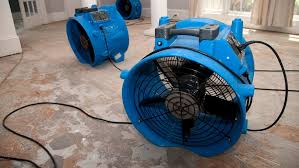
Time is money in the world of water damage repair. The longer the water sits, the more damage it causes—and the more expensive the repairs become. Restoration teams may need to run drying and dehumidification equipment for several days to prevent mold growth and secondary damage.
Labor costs depend on the skill level required for the job. Simple cleanup may be handled by technicians, while structural repairs and plumbing replacement will require licensed contractors. The need for drywall finishing, paint matching, or flooring reinstallations will also contribute to the final bill.
Specialized tools like thermal cameras, hygrometers, air scrubbers, and HEPA vacuums are often needed, and the use of this advanced equipment also influences pricing.
Insurance Coverage and Claims Process
In many cases, homeowner’s insurance covers water damage—but only under specific conditions. Damage caused by sudden and accidental events (like a burst pipe) is usually covered. Gradual issues like long-term leaks, poor maintenance, or flooding from external sources may not be.
It’s important to document all damage immediately and contact your insurance provider for guidance. Most restoration companies work directly with insurers, providing damage assessments, itemized estimates, and photo documentation to support claims.
While insurance can reduce out-of-pocket costs, deductibles and policy limits may still leave homeowners covering part of the repair expense.
Size and Scope of the Affected Area
Another major cost factor is the square footage of the damaged area. Water that affects one room may be relatively simple to address, but damage that spreads across multiple levels or through key systems like electrical, HVAC, or insulation can become far more complex and expensive.
Drywall, carpet padding, insulation, and wood framing are all materials that retain water. If these materials are saturated, costs rise due to the need for removal, drying, and replacement.
Teams like lindstrom restoration assess the full spread of water intrusion and provide detailed estimates based on material type, moisture levels, and restoration needs.
Conclusion
The cost of water damage repair varies depending on how severe the situation is and how quickly it’s addressed. Minor cases with clean water in a limited area can cost under $1,000, while major structural restoration and contamination cleanup may run into the tens of thousands.
By working with a trusted and experienced restoration company, you’ll receive a full damage assessment and transparent pricing tailored to your specific situation. The investment not only restores your property but also ensures long-term safety and peace of mind.