

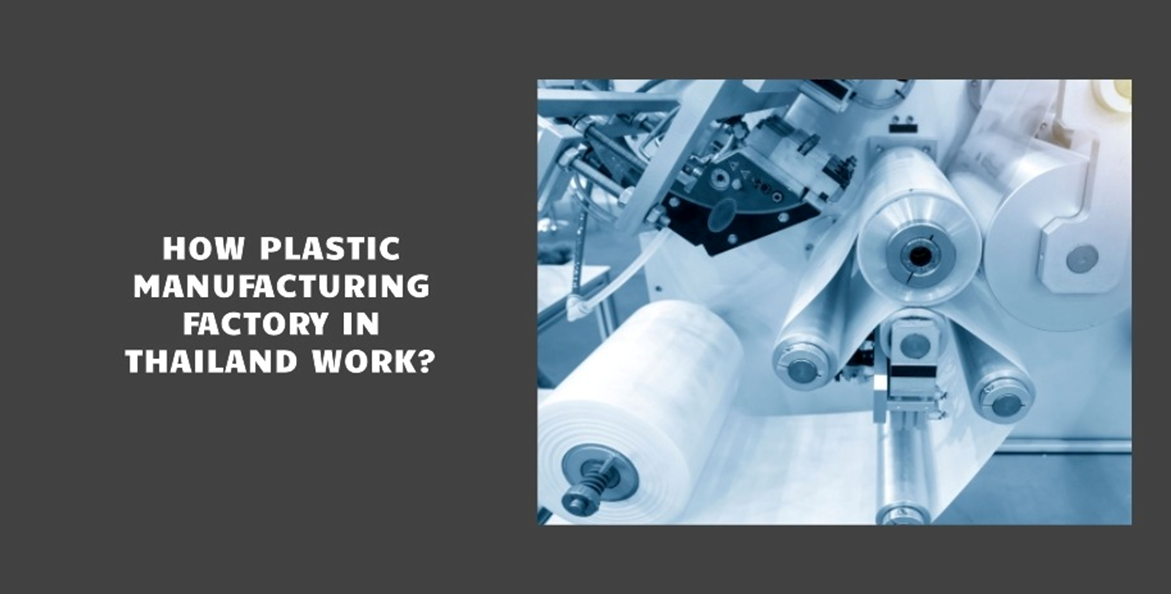
Thailand’s plastic manufacturing factories leverage domestic and international raw material sourcing, cutting-edge production techniques, rigorous quality controls, and sustainable practices to deliver high-quality, cost-effective products.
They invest in workforce development, automation, and technology to maintain global competitiveness. By exploring further, you’ll uncover how their strategic approach underpins the success of Thailand’s thriving plastic sector.
Raw Material Sourcing and Procurement
The procurement of raw materials is the foundation of Thailand’s plastic manufacturing industry. Producers source petrochemicals from domestic and international suppliers, like polyethylene and polypropylene. They negotiate contracts, manage logistics, and guarantee consistent quality and delivery. Efficient raw material procurement allows the plastic manufacturing factory in Thailand to maintain steady production.
Recycled plastic is also collected and reprocessed, contributing to the circular economy. Careful planning and inventory management are key, as supply chain disruptions can impact operations. Manufacturers leverage relationships and technology to secure the right raw materials at the best prices, optimizing their supply chains. This strategic approach to procurement underpins the competitiveness of Thailand’s plastic sector.
Production Processes and Technology
With the raw materials secured, Thailand’s plastic manufacturers shift their focus to the production processes and technologies that transform these inputs into a diverse array of plastic products.
The key production steps include:
- Extrusion, where molten plastic is forced through a die to create continuous shapes like films, sheets, or profiles.
- Injection molding, which injects molten plastic into a mold to produce intricate, high-precision parts.
- Blow molding, a technique that inflates molten plastic into a hollow shape, perfect for creating bottles and containers.
These cutting-edge techniques, coupled with automation and sophisticated quality control, guarantee Thailand remains a global leader in efficient, high-quality plastic manufacturing.
Quality Control and Assurance
Quality control and assurance are essential in Thai plastic manufacturing. Producers carefully inspect raw materials, monitor production processes, and test finished goods to guarantee consistent, high-quality products.
These rigorous quality measures help maintain the industry’s reputation for excellence.
Raw Material Inspection
One critical step in plastic manufacturing in Thailand is the meticulous inspection of raw materials. This guarantees the final products meet the highest quality standards.
The raw material inspection process typically involves:
- Visual checks for impurities, discoloration, or defects.
- Measuring key properties like density, viscosity, and melt flow index to ascertain they fall within specified ranges.
- Conducting sample tests to verify the material’s chemical composition and compliance with industry regulations.
Rigorous raw material inspection is essential for maintaining consistent, reliable, and safe plastic products. It’s a fundamental part of the quality control and assurance protocols in Thailand’s plastic manufacturing industry.
Production Monitoring
Rigorous production monitoring guarantees the consistent quality of plastic goods manufactured in Thailand. Factory staff closely track each stage of the process, applying meticulous checks and measurements.
They inspect molds, machinery, and extrusion equipment to safeguard optimal performance. Production technicians vigilantly monitor temperature, pressure, and speed, making real-time adjustments to maintain precise specifications.
Quality assurance teams conduct sample testing throughout the run, using advanced instruments to verify dimensional accuracy, tensile strength, and other key attributes. Any deviations trigger immediate troubleshooting to swiftly correct issues.
This commitment to quality control guarantees Thailand’s plastic manufacturers meet the highest global standards.
Finished Goods Testing
After the meticulous production monitoring, the final step verifies Thailand’s plastic manufacturers deliver products that meet the highest global standards.
Finished goods testing rigorously evaluates the plastic items to guarantee:
- Structural integrity and durability
- Dimensional accuracy and consistency
- Compliance with safety and environmental regulations
These extensive tests validate the quality before the products are shipped to customers worldwide. By upholding stringent quality control measures, Thailand’s plastic industry maintains its reputation for excellence, meeting the evolving needs of diverse global markets.
Energy Efficiency and Sustainability
As a leading producer of plastic goods, Thailand’s plastic manufacturing industry has made strides in enhancing energy efficiency and promoting sustainability. Manufacturers have invested in energy-efficient equipment, such as high-performance motors and advanced heating and cooling systems, to reduce power consumption.
Many facilities also harness renewable energy sources, like solar panels, to meet their energy needs. Recycling programs have been implemented to recover and reuse plastic waste, minimizing the environmental impact. Initiatives to reduce water usage and implement wastewater treatment further demonstrate the industry’s commitment to sustainability.
These efforts not only benefit the environment but also contribute to cost savings and improved operational efficiency for plastic manufacturers in Thailand.
Workforce Training and Development
To maintain its competitiveness, Thailand’s plastic manufacturing industry invests heavily in workforce training and development. This enables workers to acquire specialized skills and adapt to evolving technologies.
Key initiatives include:
- Partnering with vocational schools to offer industry-specific curricula and hands-on training programs.
- Providing in-house training sessions to upskill current employees on new equipment, production methods, and quality standards.
- Sponsoring overseas study trips and certifications to expose workers to global best practices in plastic manufacturing.
These strategic workforce investments guarantee Thailand’s plastic factories maintain high productivity, efficiency, and product quality to meet rigorous international standards.
Supply Chain Management and Logistics
Efficient supply chain management and logistics undergird Thailand’s plastic manufacturing prowess. Factories leverage just-in-time delivery to minimize inventory costs. They carefully orchestrate the flow of raw materials, components, and finished products across domestic and international networks.
Advanced tracking systems monitor shipments, ensuring on-time arrivals. Streamlined customs procedures accelerate cross-border trade. Multimodal transportation – from trucks to ships – optimizes delivery speed and costs. Robust supplier relationships guarantee reliable supply.
Agile logistics enable factories to rapidly scale production and fulfill orders. Overall, Thailand’s mastery of supply chain excellence empowers its plastic manufacturing industry to swiftly meet dynamic global demand.
Research and Innovation
Thailand’s plastic manufacturing industry also thrives on a culture of research and innovation. You’ll find:
- Dedicated R&D teams constantly exploring new materials, processes, and applications to stay ahead of the curve.
- Close collaboration with universities and research institutions to tap into the latest scientific breakthroughs.
- Investments in cutting-edge technologies like AI, automation, and data analytics to optimize production and streamline operations.
This relentless drive to innovate guarantees Thai plastic manufacturers can deliver high-quality, sustainable products that meet the evolving needs of global markets.
Environmental Regulations and Compliance
How do Thailand’s plastic manufacturers guarantee environmental compliance? They must adhere to strict guidelines set by the country’s environmental protection agencies. This includes monitoring waste disposal, ensuring proper treatment of effluents, and limiting air emissions. Failure to comply can result in hefty fines or even facility shutdowns.
Manufacturers employ specialized teams to oversee environmental programs and regularly audit their processes. Advanced technologies like water recycling systems and emissions control devices help minimize the industry’s environmental impact. While challenges remain, Thai plastic producers are committed to operating sustainably and responsibly to safeguard the nation’s natural resources.
Conclusion
As you navigate the workings of a plastic manufacturing factory in Thailand, you’ll find an intricate dance of raw materials, cutting-edge technology, and a dedicated workforce. The facility prioritizes quality, energy efficiency, and environmental sustainability, ensuring a responsible approach to production. With a robust supply chain and a culture of innovation, this factory stands as a shining example of Thailand’s commitment to the plastic industry.