

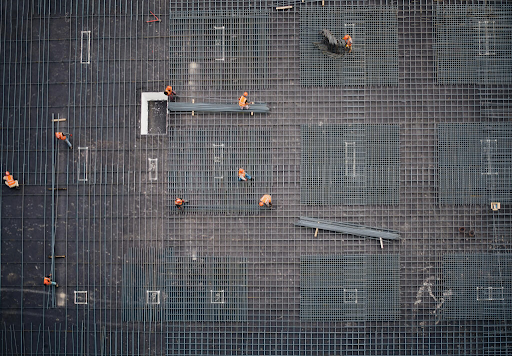
Modern construction relies on accuracy. Every building, bridge, or foundation depends on strong and well-planned reinforcement. When the structural details are clear, the entire project becomes safer, smoother, and more predictable. That is why proper steel detailing plays such an important role in today’s construction industry, especially across the United States where safety standards are strict and project demands continue to grow.
Steel detailing helps ensure every bar, bend, and connection fits exactly as planned. It turns design concepts into build-ready instructions for field crews. Many professionals now rely on rebar modeling services because they bring clarity, reduce manual errors, and improve communication between teams. These digital models make it easier to coordinate reinforcement layouts and confirm that the structure will perform as expected.
Clear reinforcement plans give contractors confidence before installation begins. They can anticipate potential challenges, review spacing, and verify compliance with national codes. This preparation avoids costly issues that often show up late in a project. When crews understand reinforcement layouts clearly, installation becomes faster, safer, and far more accurate.
Steel detailing also improves collaboration. Structural engineers, contractors, and inspectors can review the reinforcement plans digitally, even if they work from different locations. Teams share feedback instantly, helping avoid confusion on-site. This level of coordination supports smoother schedules and more reliable results.
Steel detailing is not only about technical precision. It also improves budgeting. When reinforcement plans are accurate, material estimates become more predictable. This helps project managers avoid waste and stay within budget. Accurate planning reduces downtime, which also protects the timeline. Many homeowners and developers across the United States appreciate this level of transparency.
The Role of Detailed Reinforcement Planning
Reinforcement gives concrete its strength. Without accurate details, even the best materials may not perform well. Steel detailing explains where each bar goes, how long it is, and how it connects. This reduces risk and protects the structure’s long-term durability.
Sometimes, small mistakes create serious problems later. Incorrect spacing may weaken a slab or cause cracks. Overlaps or misaligned bars can disturb load paths. Detailing prevents these issues by giving clear instructions, leaving no room for guesswork.
As construction becomes more complex, digital tools become more important. Many teams use them to create reinforcement layouts that match real-world conditions. These models help visualize how bars interact with beams, walls, and slabs. With this clarity, installation crews avoid conflicts and can work more efficiently.
Why Steel Detailing Matters for Foundations
Foundations carry the entire load of a structure. If reinforcement is placed incorrectly, the base becomes vulnerable. This is where proper detailing becomes essential. A well-designed foundation prevents settling, cracking, and long-term structural issues.
In many residential and commercial projects, the reinforcement inside foundation systems must be placed with exact spacing. Around this stage, designs may include details related to concrete footer rebar, which help reinforce critical areas at the bottom of the structure. These reinforcement elements support weight transfer, reduce shifting, and help the foundation stay durable under changing loads.
The detailing process ensures that these crucial reinforcement components are arranged correctly. That accuracy helps the foundation resist pressure from soil, weather, and building weight. Homeowners benefit from this because their property stays stable and dependable for many years.
How Digital Tools Strengthen the Detailing Process
Modern steel detailing often uses advanced modeling programs. These tools help designers simulate reinforcement even before construction begins. Teams can adjust bar sizes, positions, and spacing quickly. This flexibility saves time and reduces mistakes.
Digital models also connect different construction disciplines. If a mechanical line crosses a structural beam, teams can detect the conflict early. This prevents delays during installation. Better coordination results in smoother workflows and fewer surprises.
Digital steel detailing also helps with documentation. Contractors receive drawings that are readable and consistent. Inspectors appreciate this because clear information supports faster approvals. Developers value it because it improves accuracy and reduces rework.
Many professionals across the United States now depend on these tools for large and small projects. The reliability they offer helps teams deliver better results with fewer complications.
How Clear Detailing Supports Construction Crews
Field crews rely on details to perform their work correctly. When instructions are vague, mistakes become more likely. Clear steel detailing benefits crews in several ways:
- It reduces confusion on-site.
- It increases installation speed.
- It supports safe and orderly work.
- It eliminates unnecessary adjustments.
- It helps teams follow engineering standards.
Simple and readable drawings make a significant difference in worker productivity. Crews can prepare materials beforehand and understand the sequence of work. This improves workflow and helps the project move forward efficiently.
Creating a Stronger Project Through Coordination
Construction success requires coordination. Steel detailers, engineers, architects, and contractors must stay aligned. When reinforcement plans are updated digitally, everyone sees the changes instantly. This removes miscommunication and avoids conflicting instructions.
Teams that coordinate early also catch issues sooner. They resolve spacing conflicts, embed details, and construction tolerances before work begins. This level of preparation improves structural reliability and protects project timelines.
Project managers across the United States often emphasize coordination because it supports safety and compliance. Having the right details at the right time prevents unnecessary risks.
Cost Savings Through Accurate Planning
Accurate detailing lowers costs in several ways. It reduces waste because material estimates match the actual reinforcement required. It prevents rework, which saves both labor and time. It also supports smoother inspection processes, which helps the project stay on schedule.
Homeowners and small contractors appreciate cost transparency. Developers and large construction firms rely on it to manage budgets effectively. Proper detailing supports both goals.
Better planning also avoids last-minute design changes. These changes often lead to delays or additional expenses. With clear details, the construction team can prepare materials and tools in advance, helping control overall project costs.
Long-Term Benefits of Proper Steel Detailing
Proper reinforcement planning pays off long after construction ends. Buildings remain durable, safe, and stable under heavy loads. Foundations stay strong even with soil movement or seasonal changes. Walls, beams, and floors resist cracks and shifting.
Insurance companies often consider structural planning during evaluations. Proper detailing can support better safety ratings. Property owners also appreciate how reliable structures reduce repair costs in the future.
When reinforcement is placed correctly, the entire building benefits. That is the true value of strong detailing.
FAQ Section
- Why is proper steel detailing so important?
It ensures reinforcement is placed accurately, improving strength, safety, and long-term structural performance. - How does steel detailing reduce construction errors?
It provides clear instructions, helping crews avoid misplacements, spacing mistakes, and conflicts with other building systems. - Do digital tools make steel detailing more efficient?
Yes. They help detect issues early, support coordination, and offer clear visuals for teams and inspectors. - How does reinforcement planning affect project budgets?
Accurate details reduce material waste, prevent rework, and support smoother schedules, lowering overall project costs. - Is proper detailing important for homeowners?
Absolutely. It ensures safer homes, longer-lasting structures, and fewer repair issues in the future.