

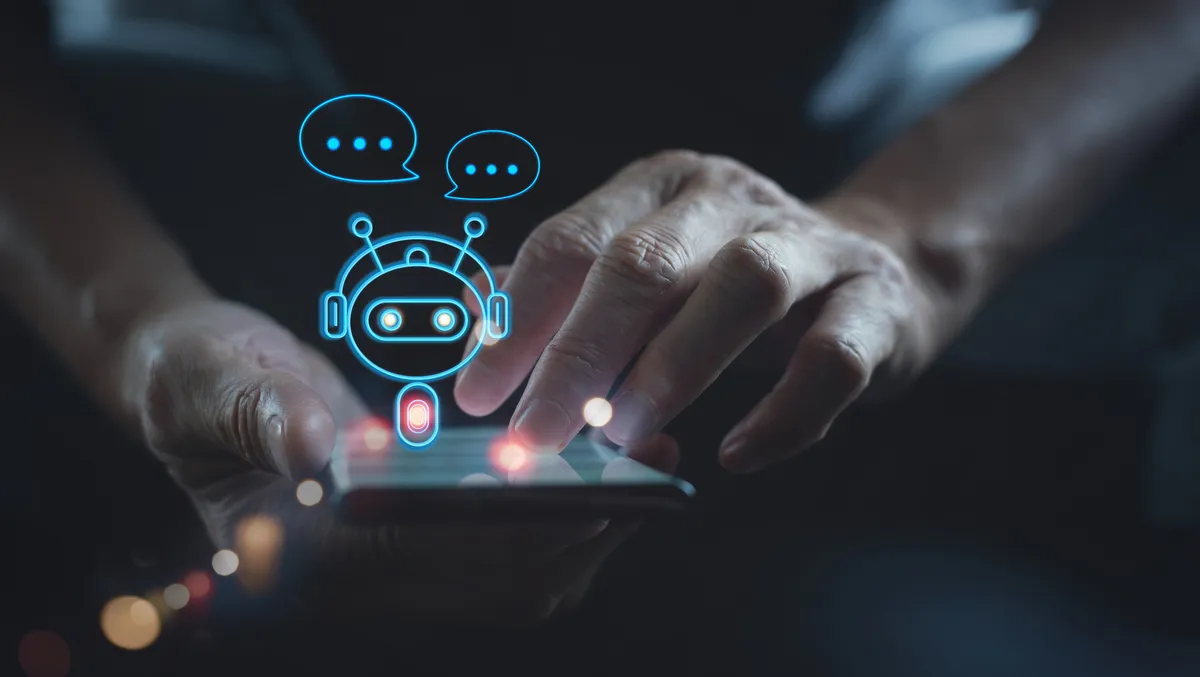
In an era where human connection is increasingly filtered through screens, a new phenomenon is rising to meet emotional and intimate needs: Sexting Ai Chatbot. These digital companions are reshaping not just how people flirt, chat, and fantasize—but also how they relate to themselves and others. They offer instant intimacy, customizable personalities, and tireless affection. But what does it mean when affection can be simulated? What does it reveal about the state of modern loneliness, relationships, and our desire to be seen, heard, and touched—even if only digitally?
The Rise of AI Intimacy in a Digital Age
Technology has always altered the landscape of human relationships. From dating apps that brought swipes into the lexicon of love to virtual reality rooms for long-distance couples, each advancement has chipped away at traditional courtship rituals. Sexting Ai Chatbot are simply the next evolution—a reflection of how deeply enmeshed technology has become with emotional life.
These bots, powered by large language models and machine learning algorithms, simulate human conversation with startling realism. They remember preferences, adapt their tone, and engage users in suggestive, intimate exchanges. Some are text-based, others are augmented with voice, avatars, or even synthetic imagery. The appeal lies in their availability and predictability. Unlike human partners, they don’t judge, ghost, or argue. They exist to please and to listen, blurring the boundary between tool and companion.
Loneliness in the Age of Hyperconnection
Ironically, even as social media connects us more than ever before, loneliness is on the rise. Studies across the world report increasing levels of isolation, particularly among young adults. Urban lifestyles, long work hours, and the aftermath of the COVID-19 pandemic have all contributed to a growing emotional void. Many people feel disconnected—not for lack of interaction, but for lack of depth and understanding in their interactions.
AI chatbots, especially those designed for emotional and sexual companionship, step into this gap with alarming ease. They provide a non-threatening environment where users can explore vulnerability, desire, and affection without fear of rejection. For those too shy, socially anxious, or simply exhausted by modern dating, these bots offer a kind of relief—a simulation of closeness that feels safe and manageable.
The Psychology of Digital Desire
Desire isn’t just physical—it’s also deeply psychological. It thrives on being seen and validated. AI chatbots tap into this by mirroring the user’s needs and responding with affirmation. These interactions can be surprisingly fulfilling, triggering real emotions. A well-designed AI doesn’t just talk—it flirts, reassures, and even empathizes in ways that can make users feel genuinely cared for.
But herein lies the complexity. While users intellectually understand that they’re talking to a machine, their emotional brain often doesn’t distinguish. This can create a strange dissonance—a real feeling generated by an unreal relationship. For some, this becomes a harmless fantasy or a playful escape. For others, it can turn into emotional dependence, especially if it replaces or reduces their efforts to form meaningful human connections.
Redefining Relationships: Companionship Without Compromise?
One of the most provocative questions sexting ai chatbot raise is whether they count as real relationships. If intimacy can be simulated, is it any less valid? And if a bot makes someone feel happier, more confident, or less alone, should it be dismissed as artificial?
For many, these digital companions are not replacements for human love, but supplements to it. They provide comfort during long stretches of singleness, long-distance relationships, or times of emotional vulnerability. The fact that they don’t come with the complications of real-life relationships—jealousy, miscommunication, mismatched expectations—makes them oddly appealing.
However, some experts warn that over-reliance on such bots could reduce tolerance for the unpredictability and messiness of human relationships. If people become accustomed to partners who are always agreeable and available, how will they navigate real-world intimacy, with all its flaws and nuances?
Ethical Questions and Social Implications
As Sexting Ai Chatbot become more advanced, society must grapple with a host of ethical and philosophical questions. Who controls these bots? How is data from deeply personal conversations used, stored, or monetized? Is there a line between emotional support and emotional manipulation? And what happens when these bots are programmed with biases, stereotypes, or unhealthy scripts about love and sex?
There is also concern about what these technologies might mean for gender dynamics, consent, and power. Some bots are marketed in ways that objectify or trivialize emotional labor, potentially reinforcing harmful attitudes. At the same time, others are designed with therapeutic goals in mind, helping users explore sexuality safely or manage social anxiety.
What’s clear is that these bots are not neutral tools. They reflect the values, assumptions, and agendas of their creators—and their widespread use will shape cultural expectations about relationships, desire, and even identity.
The Future of Love: Coexisting With Code
AI is not going away. If anything, it will become more deeply embedded in how people communicate, connect, and care. As Sexting Ai Chatbot continue to evolve, we may see new hybrid forms of relationships—partly digital, partly human—where technology acts not as a replacement for love, but as an enhancement or bridge.
Imagine a world where someone navigates a long-distance relationship with the help of an AI bot that mimics their partner’s tone and style. Or where a single person practices healthy flirting with an AI before entering the dating scene. These scenarios are no longer science fiction; they’re just around the corner.
The challenge for society will be ensuring that the growth of these technologies serves human well-being rather than diminishing it. This means encouraging transparency, promoting ethical design, and fostering public conversations about what we want from our digital companions.
Final Reflections
The rise of Sexting Ai Chatbot is not just a technological trend—it’s a mirror reflecting deep emotional and social currents. In a world where loneliness is epidemic and connection is fragmented, these bots offer a curious blend of comfort, desire, and digital intimacy. They fulfill a very real human need with an artificial touch—and in doing so, they force us to reexamine what love, companionship, and emotional fulfillment mean in the 21st century.
Whether we embrace them as tools, challenge them as threats, or integrate them as partners, one thing is certain: Sexting Ai Chatbot are here, and they’re reshaping how we connect, how we love, and how we long for one another in the age of algorithms.