

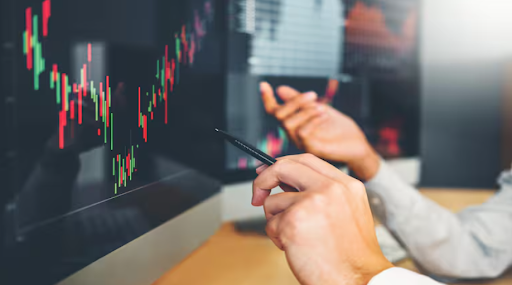
Becoming a stock trader goes beyond simply having an interest in the markets—it requires a mix of strategy, skill, discipline, and the right mindset. Today, Stock Market Trading attracts many because it opens doors to wealth creation, financial independence, and greater control over personal goals. Although trading might look simple on the surface, success depends on proper planning, consistent research, and continuous learning. With technology, global market changes, and easier access in 2025, the trading landscape has evolved significantly. Whether someone is a complete beginner or already has experience, understanding the right steps and strategies is vital. This post provides clear guidance, useful resources, and practical insights to help anyone start or grow as a stock trader.
Why People Want to Become Stock Traders
Trading has always been attractive because it provides the possibility of financial growth. Unlike traditional jobs where income is fixed, trading allows individuals to potentially scale their earnings based on knowledge and skill. Many people I have met say they were drawn to trading because they wanted control over their time and income. Similarly, others highlight that they enjoy the analytical side of studying charts, news, and company data.
In comparison to long-term investing, stock trading can feel more dynamic. Traders often find excitement in short-term opportunities, and in the same way, they enjoy testing their strategies against real-time market movements. Eventually, many realize that trading is not just about quick profits but about building consistent habits that lead to stability.
How to Start as a Beginner Trader
Anyone who wants to begin trading must first focus on preparation. Initially, it is essential to open a reliable brokerage account. In 2025, several platforms provide easy mobile access, educational content, and demo accounts to practice. A demo account is useful because it allows beginners to trade in real conditions without risking their money.
After setting up the account, the next step is learning the basics of Stock Market Trading. This includes understanding how orders work, what candlestick charts mean, and how market trends form. For instance, many beginners struggle when they do not know the difference between market and limit orders. However, once they practice these basics, trading becomes clearer.
At this stage, risk management is crucial. Even though profits may be tempting, new traders should never risk more money than they can afford to lose. Eventually, discipline in money management becomes the factor that decides whether someone continues successfully or gives up.
Why Research Matters Before Trading
Trading decisions should not be random guesses. They need to be based on market data, company performance, and global economic factors. For example, when companies report their quarterly earnings, their stock prices often move sharply. Traders who have done research beforehand can act confidently.
I have observed that those who skip research usually fall into emotional trading. They might buy a stock because it is trending on social media, only to face losses. On the other hand, traders who read news, analyze charts, and check company fundamentals find themselves in stronger positions.
Admittedly, research takes time, but it helps in building confidence. As a result, new traders are able to make informed decisions rather than relying on guesswork.
How Technology Has Changed Trading
Over the last few years, technology has reshaped trading. Today, traders have access to real-time market data, advanced charting tools, and AI-powered insights. For example, many platforms now provide alerts that notify traders when a stock reaches a certain price level.
In spite of traditional methods still being important, technology makes decision-making faster. Moon X is an example of a platform that provides features which were once available only to professionals. Now, individuals can analyze stocks on their phones just as effectively as institutions do.
Clearly, this accessibility has lowered the barrier to entry. However, it also means traders must be more disciplined because they can act on trades anytime. Eventually, success still depends on how carefully they plan and follow strategies.
Why Risk Management Cannot Be Ignored
One of the main reasons beginners fail is because they overlook risk management. It is easy to get caught up in the excitement of winning trades, but without limits, losses can wipe out accounts quickly.
A common rule many traders use is never risking more than 1–2% of their capital on a single trade. In particular, stop-loss orders can protect traders from sudden market moves. For example, if someone buys a stock at $100 and sets a stop-loss at $95, they limit their maximum loss to 5%.
Still, risk management is not just about avoiding losses—it is also about preserving capital so that traders can continue learning. Eventually, those who respect risk tend to survive longer in the market.
How Emotions Affect Trading Decisions
Trading is not only about knowledge but also psychology. Fear and greed are two emotions that can disrupt logical decision-making. For instance, fear may cause a trader to sell too early, while greed may push them to stay longer in a trade than necessary.
They often regret decisions made emotionally. However, traders who follow written plans find it easier to stay consistent. I know several individuals who started keeping journals of their trades. By writing down why they entered and exited a trade, they could see patterns in their behavior.
Consequently, they learned to control emotions better and avoid repeating the same mistakes. Eventually, emotional discipline became one of their greatest strengths.
Why Continuous Learning Is Important
Markets change constantly, and strategies that worked yesterday may not work tomorrow. So, continuous learning becomes essential. Traders can attend webinars, read books, or join trading communities to stay updated.
In the same way, they can review their past trades to learn from mistakes. For example, if a trader notices they are losing money on trades made during volatile news events, they may decide to avoid trading at those times.
Obviously, no trader ever reaches a point where learning stops. Even experienced professionals continue to study trends, adjust strategies, and stay informed. Eventually, consistent learning leads to growth.
How Stock Market Trading Provides Opportunities
Stock Market Trading is often seen as risky, but it also provides endless opportunities. Traders can choose from day trading, swing trading, or even position trading depending on their personality. For instance, day trading suits individuals who enjoy quick decisions, while swing trading may fit those who prefer holding trades for several days.
Not only does trading offer flexibility in style, but also in timing. Some people trade part-time while keeping their jobs, while others aim to build full-time careers. Still, what remains common is the need for discipline, patience, and smart planning.
At this stage, many traders start using all AI Tools available in the market to improve their efficiency. These tools assist in scanning stock charts, predicting patterns, and filtering opportunities. In comparison to manual analysis, these tools save time and give traders more data-driven insights. However, tools cannot replace human judgment, so individuals must learn to combine technology with personal decision-making.
Conclusion
Becoming a stock trader is not about chasing quick wealth but about building skills, patience, and discipline. In 2025, opportunities are greater than ever, thanks to technology and global connectivity. However, the principles remain the same: learn consistently, manage risks, control emotions, and trade with purpose.
For those who approach trading with seriousness, it can become a rewarding journey that offers not only financial potential but also personal growth. Eventually, success belongs to those who prepare, stay disciplined, and treat trading as a skill that improves with time.