

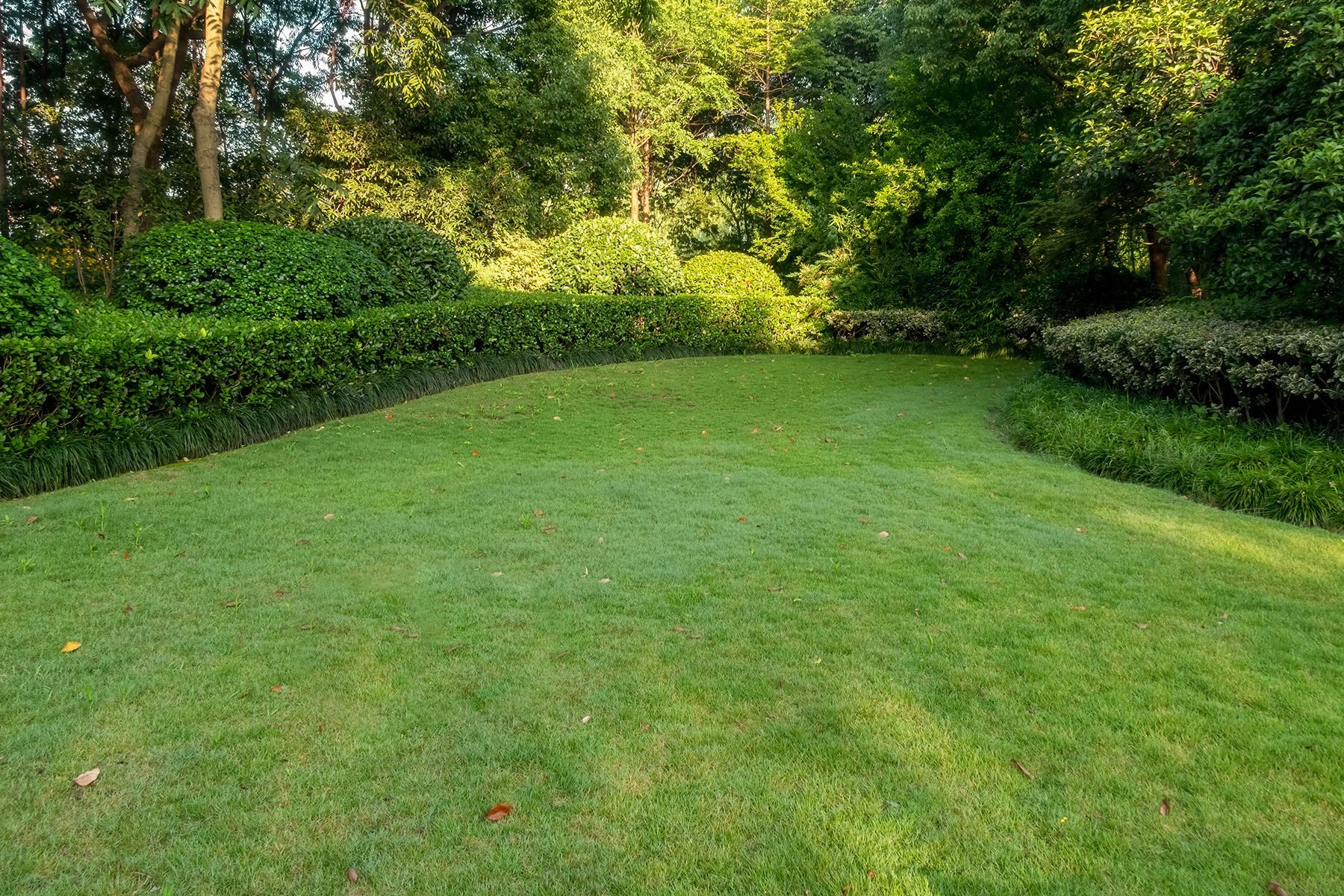
Creating a weed-free and lush lawn is about more than aesthetics; it also boosts your outdoor living space and increases your home’s value.
Whether you’re a seasoned gardener or just starting out revamping your yard—a weed control service includes dedication, attention to detail, and love for your garden.
In this article, we’ll go through expert tips to help you create a perfect lawn that will envy the entire neighborhood and anyone passing by!
Unlocking The Full Potential of Your Lawn
A well-maintained lawn is much more than just expressing aesthetics and turning heads. It’s a serious investment in your home. This worthy investment protects and enhances your home curb’s appeal and value and, even more importantly, boosts a cleaner and more sophisticated outdoor space.
Wondering about the key benefits of unlocking the full potential of your lawn?
- Noise reduction: Your grass acts as a natural noise barrier.
- Air quality improvement: Your lawn does a great job of absorbing carbon dioxide and producing oxygen.
- Soil erosion prevention: The roots in your grass hold soil, which prevents erosion.
Now, you understand the benefits that can motivate you to create the perfect lawn that serves essential ecological functions!
Let’s dive into what makes a healthy lawn thrive!
Expert Tips and Tricks for a Weed-Free Lawn
If your goal is to build a deep green, beautiful, and weed-free lawn, here are some expert practices that will help you achieve that:
Applying Pre-Emergent Herbicides for Better Lawn Quality
You should use a pre-emergent herbicide during springtime to kill weeds before they even appear. This stops weeds in their tracks from germinating—preventing a potential summer problem.
To get the most out of this strategy:
- Time it right: Apply pre-emergent herbicides in early spring before weed seeds start to germinate—typically when soil temperatures reach around 55°F (13°C).
- Choose the right product: Select a pre-emergent herbicide that is appropriate for your grass type and the weeds you are targeting.
- Water in: After applying the pre-emergent herbicide, water your lawn thoroughly to activate the product and create a barrier that prevents weed seeds from germinating.
- Consider a second application: Depending on the product and the severity of your weed problem, you may need to apply a second dose of pre-emergent herbicide.
The point is that choosing ensuring that you do not to harm the right weed control method is essential to ensure you are not harming your grass while preventing weed growth.
Choosing Different Grass Types
It is essential to select the right grass species for your climate. Before you make the choice, consider the weather conditions in your area throughout the year.
The catch is that different grass types have various needs, especially mowing height, sunlight exposure, and watering frequency.
You choose between cool-season grass and warm-season grass:
- Cool-season grass: This is like Kentucky bluegrass, and it thrives in cooler temperatures.
- Warm-season grass: Similar to Bermuda grass, this type of grass is perfect for warmer climates.
When you’re managing weeds in different types of lawns, it’s essential to tailor your approach based on the specific grass species—cool or warm-season grass.
For example, cool-season grasses like bluegrass may require selective herbicides that control the annual care without damaging the turf.
On the other hand, warm-season grasses such as Bermuda Grass benefit from pre-emergent herbicides that prevent crabgrass germination before it becomes a problem.
Maintaining dense turf through proper mowing and fertilization also helps suppress weed growth naturally.
Mowing Techniques for Your Lawn
Mowing represents a key aspect of lawn care, especially against weeds.
Here are some tips that will help you improve your technique:
- Mow your grass on a regular basis: Come up with a schedule and mow your lawn during peak growing seasons—-spring and summer.
- Adjust the height of your grass: Adjust your mowing height based on your grass type—you don’t want to overdo it.
- Changing the pattern: You can vary mowing patterns periodically. This will prevent ruts from forming, especially if your outdoor space is a high-traffic area.
- Sharpen your blade(s): To make your grass really stand out, you should use sharp mower blades for a clean cut. This will contribute to healthier grass growth.
Did you know that maintaining taller grass (around 3 inches) can naturally suppress weed growth?
Taller blades shade out weeds, which reduces their ability to photosynthesize and grow.
This simple strategy can be an effective part of your weed control arsenal!
Improve Your Watering Strategies With These 5 Tips
Once you improve your grass watering strategies, you make sure that your lawn is vibrant and maintains that deep green color—without wasting unnecessary resources:
- Water your grass deeply but infrequently: You should encourage deep root growth by watering your grass deeply but less frequently.
- Timing is everything: Water your grass early in the morning when possible. You should strictly avoid evening watering since it can lead to fungal disease.
- Use a soaker hose or drip irrigation: Direct water precisely to the roots of your grass, minimizing surface moisture that weeds thrive on. This also reduces water waste.
- Monitor soil moisture: Use a soil moisture meter to ensure you’re not overwatering. Overwatering can lead to weed proliferation, while proper moisture levels support healthy grass growth and weed resistance.
- Implement a mulching strategy: Consider using organic mulch around the edges of your lawn or in garden beds. Mulch helps retain soil moisture, stops weed growth by blocking sunlight, and adds nutrients to the soil as it decomposes. This creates a healthier environment for your grass while minimizing competition from weeds.
By promoting deep root growth in your grass, you’ll create a dense turf that naturally suppresses weed germination and spread.
Additionally, avoiding overwatering reduces surface moisture levels, making it harder for weeds to thrive.
Final Words
Following these expert tips and maintaining a consistent lawn care routine throughout the seasons will ensure that your lawn is one of the best-kept in the neighborhood.
It might be a great idea to invite some professionals to assist with weed management; they can really enhance your results!