

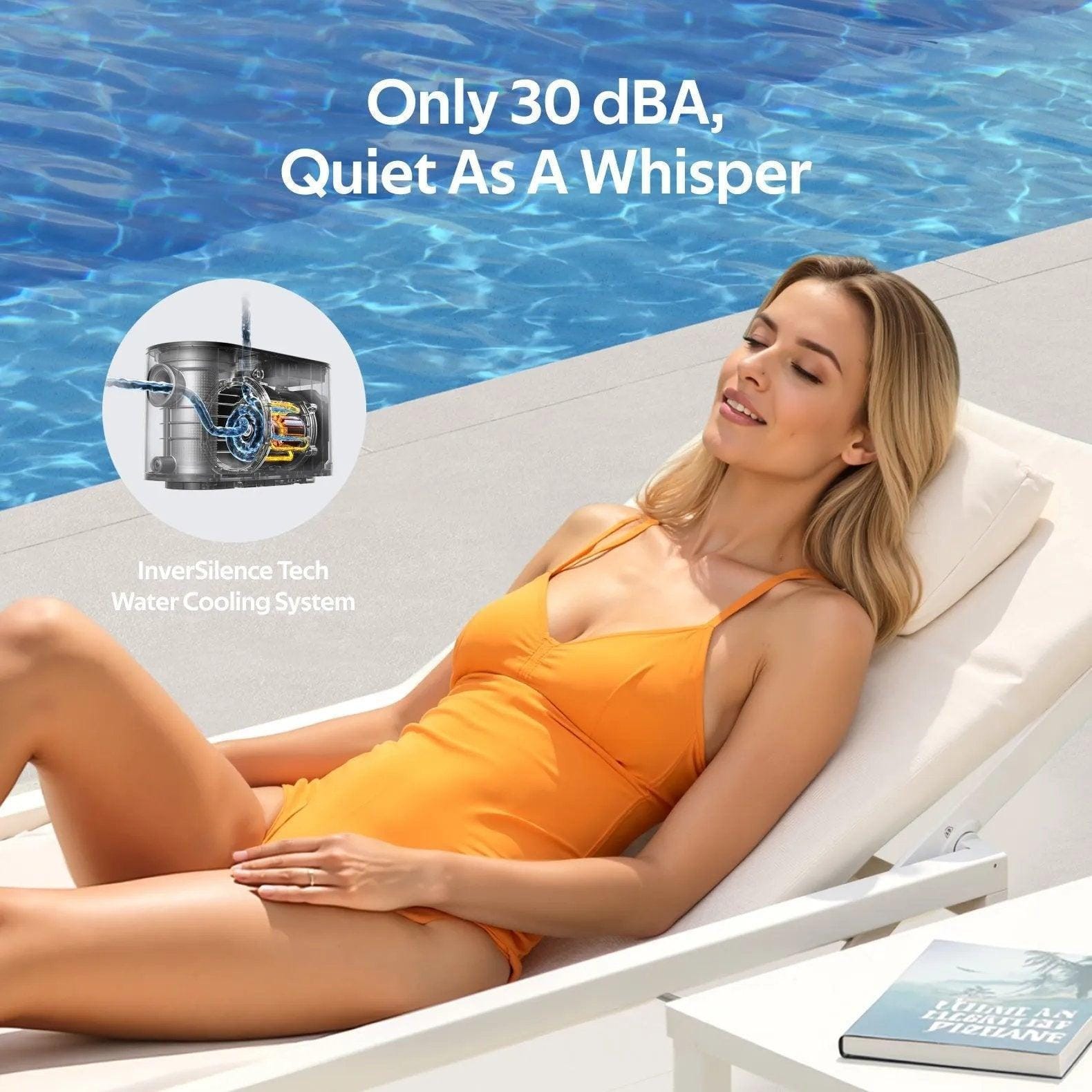
The constant hum of a noisy pool cover pump can transform your peaceful backyard oasis into an irritating space that neither you nor your neighbors want to enjoy. As homeowners increasingly seek tranquility in their outdoor spaces, the need for quiet, efficient pool equipment has become paramount.
Traditional pool cover pumps, while functional, often create unnecessary noise pollution that can disrupt daily activities and peaceful evenings. However, modern technology has introduced innovative solutions that maintain powerful performance while operating at whisper-quiet levels.
Finding the perfect balance between quiet operation and energy efficiency is crucial when selecting a swimming pool cover pump. This guide will walk you through the essential factors to consider, from decibel ratings and motor technology to energy consumption and smart features. Understanding these elements will help you make an informed decision that enhances your pool maintenance routine while preserving your backyard’s serenity.
Whether you’re replacing an old unit or installing a new system, we’ll show you how to evaluate and select a pool cover pump that combines quiet operation with superior performance, ensuring your investment brings both peace and efficiency to your pool maintenance routine.
Why Noise Level is Critical for Home Pool Cover Pumps
Understanding decibel levels is crucial when selecting a pool cover pump for residential use. While traditional pumps typically operate at 70-80 decibels – equivalent to a noisy dishwasher or vacuum cleaner – modern quiet pumps like those from iGarden have revolutionized the industry by operating at just 45-55 decibels, similar to gentle rainfall or a quiet conversation.
The impact of pump noise extends far beyond mere annoyance. A loud pool cover pump can disrupt sleep patterns, especially for homes where the equipment is installed near bedrooms. During outdoor gatherings, excessive pump noise can interfere with conversations and entertainment, diminishing the enjoyment of your backyard space. Moreover, noise pollution can strain relationships with neighbors, particularly in densely populated areas or communities with strict noise ordinances.

Advanced motor technology in quiet pumps demonstrates that noise reduction and operational efficiency go hand in hand. The same engineering innovations that minimize vibration and sound also contribute to smoother operation, reduced wear and tear, and lower energy consumption. For residential installations, where pumps often run for extended periods, choosing a quiet model isn’t just about comfort – it’s an investment in your home’s livability and your neighborhood’s tranquility.
Energy Efficiency: Saving Costs Without Sacrificing Performance
Motor Technology Breakthroughs
Modern pool cover pumps have revolutionized energy consumption through innovative variable-speed motor technology. Unlike traditional single-speed motors that operate at full power regardless of need, variable-speed motors adjust their output based on actual demands. This smart adaptation can reduce energy usage by up to 80% compared to conventional models. The latest Energy Star certified pumps incorporate advanced magnetic drive systems and optimized circuitry that maintain powerful performance while minimizing power draw.
Calculating Operational Costs
Understanding the real-world impact of energy-efficient pool cover pumps reveals significant cost savings. A conventional single-speed pump running 8 hours daily typically consumes about 2,000 kWh annually, costing approximately $240 at average electricity rates. In contrast, an energy-efficient variable-speed model might use only 500 kWh for the same operation, resulting in annual costs around $60. This dramatic reduction compounds over the pump’s lifetime, often offsetting the higher initial investment within two years. Smart monitoring features in modern pumps also provide real-time energy consumption data, allowing homeowners to optimize running schedules for maximum efficiency while maintaining effective pool cover drainage.
Technical Specifications Decoded for Quiet Operation
When evaluating pool cover pump specifications, understanding decibel (dB) ratings is essential for making an informed choice. A pump rated at 50 dB operates at conversation level, while those at 60 dB and above can be as loud as traffic noise. For optimal backyard comfort, seek models rated below 55 dB, especially if the pump will be installed near living spaces.
Advanced vibration dampening features play a crucial role in noise reduction. Look for pumps equipped with rubber mounting feet and specialized housing materials like reinforced polymers that absorb mechanical vibrations. The most effective designs incorporate multiple dampening layers and isolated motor mounts to prevent vibration transfer to surrounding structures.

The impeller design significantly impacts both noise levels and pumping efficiency. Modern hydraulic impellers with curved blades create smoother water flow patterns, reducing turbulence and associated noise. Premium models feature precision-balanced impellers manufactured from composite materials that resist cavitation, a common source of pump noise. The latest designs also incorporate flow optimization technology that maintains strong water movement while minimizing the characteristic whirring sound of traditional pumps.
Modern Features Enhancing Usability: Touchscreens and Warranties
The Advantage of Full Touchscreen Controls
Today’s advanced pool cover pumps feature intuitive touchscreen interfaces that revolutionize pump management. These displays offer effortless programming capabilities, allowing homeowners to set precise operating schedules, adjust pump speeds based on weather conditions, and receive real-time maintenance alerts. The smart interface eliminates guesswork by providing clear visual feedback on pump performance, water flow rates, and energy consumption patterns.
Why Warranty Length Matters
A comprehensive 5-year warranty serves as a manufacturer’s vote of confidence in their product’s reliability. Leading manufacturers back their quiet-operation pumps with extensive coverage that includes the motor, essential components, and labor costs for repairs. This warranty length significantly exceeds industry standards, reflecting the durability of modern pump technology. When evaluating warranties, look for coverage that specifically addresses motor burnout protection and electronic component failure, as these represent the most critical potential repair needs. The presence of a robust warranty not only provides peace of mind but often correlates directly with the pump’s build quality and expected operational lifespan.
Step-by-Step Selection Guide for Homeowners
Step 1: Assess Your Pool Size and Cover Type
Begin by measuring your pool’s surface area and identifying your cover material. For pools up to 800 square feet, look for pumps rated at 1,500-2,500 GPH (gallons per hour). Larger pools or those in high-rainfall areas require pumps rated 2,500-3,500 GPH. Mesh covers typically need lower flow rates than solid covers, which accumulate more water weight.
Step 2: Compare Noise and Efficiency Metrics
Focus on pumps rated below 55 decibels for residential areas. Verify Energy Star certification and compare annual operating costs based on your local electricity rates. Check the pump’s flow rate curves to ensure optimal performance at your required head height.
Step 3: Evaluate Ease of Use and Protection
Select models featuring weatherproof touchscreen interfaces with intuitive programming options. Confirm the warranty covers a minimum of 5 years for both motor and electronic components. Look for automatic shutoff features and thermal protection to prevent damage during unexpected conditions.
Step 4: Installation and Maintenance Tips
Position the pump at least 10 feet from outdoor living spaces to minimize noise impact. Install on a level, stable surface using vibration-dampening pads. Ensure proper drainage around the installation area and establish a regular cleaning schedule for the intake filter to maintain optimal performance.
Making the Smart Choice for Quiet Pool Maintenance
Selecting a quiet operation pool cover pump represents a crucial investment in both your home’s functionality and tranquility. By focusing on the essential combination of noise reduction, energy efficiency, and durability, you can make an informed decision that enhances your pool maintenance routine while preserving peace in your outdoor space.
Remember to evaluate each potential pump through the lens of its decibel ratings and energy certifications before considering advanced features and warranty coverage. The ideal choice will typically feature noise levels below 55 dB, Energy Star certification, and comprehensive 5-year warranty protection, ensuring long-term reliability and performance.
By choosing a certified model backed by an extensive warranty, you’re not just investing in immediate comfort – you’re securing years of quiet, efficient operation that will significantly reduce both energy costs and maintenance headaches. Take action today to upgrade your pool cover pump system, and experience the perfect balance of powerful performance and peaceful operation your backyard deserves.