


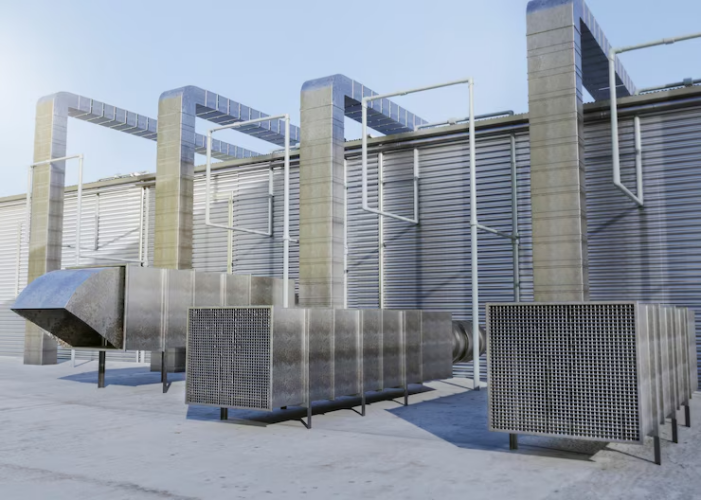
Excess moisture can be a silent destroyer in industrial settings. From corroding machinery and fostering mold growth to compromising product integrity and creating unsafe working conditions, humidity can wreak havoc on your operations. That is why industrial dehumidification is not just a comfort measure, but a critical operational necessity for many businesses. Investing in the right industrial dehumidifier can protect your assets, ensure product quality, and boost your bottom line. But with a plethora of options available in the market, how do you navigate the choices and select the best industrial dehumidification system tailored to your specific needs? This blog will guide you through the essential steps to make an informed decision and choose the perfect industrial dehumidification solution for your business.
Choosing the Right Industrial Dehumidification System for Your Business
Selecting the right industrial dehumidification system is a significant investment. To ensure you make the best choice for your business, consider these ten crucial factors:
1. Identify Your Specific Needs: Begin by thoroughly analyzing your industrial space and processes. What are the primary sources of humidity? What is the ideal humidity level required for your operations or products? Different industries, from food processing to pharmaceuticals, have vastly different humidity control needs. Understanding your specific requirements is the first step in choosing the right system.
2. Calculate Dehumidification Capacity: Determining the correct dehumidification capacity is vital for effective humidity control. This involves calculating the volume of your space, the current humidity levels, and the desired humidity levels. Consider factors like air changes per hour and moisture generated by processes or equipment within space. Accurate calculations will prevent under-sizing, which leads to ineffective dehumidification, and over-sizing, which results in unnecessary energy consumption and costs. Consulting with an expert can ensure precise capacity calculations.
3. Explore Dehumidifier Types: Familiarize yourself with the different types of industrial dehumidifiers available. The two main types are refrigerant and desiccant dehumidifiers. Refrigerant dehumidifiers work best in warmer temperatures and moderate humidity levels. Desiccant dehumidifiers, on the other hand, excel in colder temperatures and low humidity environments. They utilize a desiccant material to absorb moisture. Choose the type that best suits your operating conditions.
4. Prioritize Energy Efficiency: Energy costs can significantly impact your operational expenses. Opt for industrial grade dehumidifier models that are designed for energy efficiency. Look for features such as energy recovery systems, variable speed fans, and efficient compressors. Energy-efficient dehumidifiers not only reduce your energy bills but also contribute to a more sustainable operation.
5. Assess Airflow Requirements: Effective dehumidification depends on proper air circulation. Ensure the selected system has sufficient airflow capacity to effectively circulate dry air throughout the entire space. Consider the layout of your facility and any obstructions that might impede airflow. Proper airflow ensures consistent humidity control across the entire area.
6. Consider Noise Levels: Noise pollution can be a concern in certain industrial environments. If noise is a sensitive factor, opt for dehumidifier models that operate at lower noise levels. Check the manufacturer’s specifications for noise ratings and choose a system that minimizes disruption to your workplace.
7. Evaluate Maintenance Needs: Regular maintenance is crucial for the long-term performance and efficiency of your industrial dehumidification system. Consider the ease of maintenance and the availability of spare parts. Choose a system that is designed for straightforward maintenance procedures to minimize downtime and ensure continuous operation.
8. Assess Installation Complexity: The complexity of installation can vary between different systems. Some dehumidifiers are designed for relatively simple installation, while others may require professional expertise. Evaluate the installation requirements and factor in any associated costs and timelines.
9. Analyze Budget and Operational Costs: Your budget is a key consideration. Evaluate both the initial purchase price and the long-term operating costs, including energy consumption, maintenance, and potential repairs. A lower initial price might be offset by higher long-term operational expenses. Consider the total cost of ownership over the system’s lifespan.
10. Check Supplier Reputation and Support: Choose a reputable industrial dehumidifier manufacturer or supplier with a proven track record of quality and reliability. A reputable supplier will offer robust after-sales service, technical support, and readily available spare parts. Reliable support is crucial for addressing any issues and ensuring the continued optimal performance of your system.
Major Players in Industrial Dehumidification
Several companies are leaders in the industrial dehumidification market, offering a wide range of solutions. Let’s explore a few key players:
Maan Global Industries
They offer a comprehensive range of industrial dehumidification systems designed for diverse applications. They are recognized for their ability to provide tailored solutions to meet the unique needs of each client, focusing on customization and customer satisfaction.
Drytech Industries
They provide a broad spectrum of dehumidification equipment, including both desiccant and refrigerant technologies. They are known for producing robust and dependable dehumidifiers that are built to withstand demanding industrial environments, emphasizing durability and reliability.
Advance International
They offer a versatile range of industrial dehumidifier rental and purchase options. They cater to a wide array of industries with their dehumidification solutions, providing flexibility and choice. Their strength lies in offering both standard and specialized dehumidification systems, accommodating varied industrial needs.
Bry-Air
They are known for their desiccant industrial dehumidification technology. They are globally recognized for their energy-efficient and high-performance dehumidifiers, leading the industry in innovation. They specialize in providing advanced industrial desiccant dehumidifier solutions for critical applications, focusing on cutting-edge technology and superior performance.
Companies like Bry-Air stand out as leaders in industrial dehumidification, primarily due to their pioneering desiccant technology and continuous innovation. Their systems are meticulously engineered for superior performance, especially where ultra-low humidity is critical. Their commitment to energy efficiency and technological advancement makes them a preferred choice for businesses seeking top-tier solutions. Offering a wide range of industrial-grade dehumidifiers known for reliability, durability, and sophisticated controls, they ensure optimal humidity management, contributing significantly to operational excellence and efficiency for clients globally.
Conclusion
Choosing the right industrial dehumidification system is a strategic investment that yields significant long-term benefits for your business. By carefully evaluating your specific requirements, considering the different system types, and researching reputable manufacturers like Maan Global, Drytech, Advance International, and especially Bry-Air, you can make a well-informed decision. Their unparalleled expertise in desiccant technology and unwavering commitment to quality solidify their position as an industry leader. Selecting the best industrial dehumidifier is a crucial step towards securing these advantages and ensuring a dry and prosperous future for your business.
From energy-efficient desiccant dehumidifiers to customized systems, Bry-Air possesses the technology and expertise to help you achieve and maintain optimal humidity levels in your industrial space, ensuring peak performance and protection. Explore Bry-Air’s extensive range of industrial desiccant dehumidifier systems and discover how they can transform your operations by visiting www.bryair.com today.