

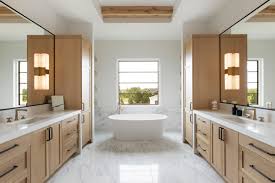
The bathroom vanity serves as the focal point of your bathroom design, seamlessly blending functionality with aesthetic appeal. More than just a place to store toiletries and get ready each morning, your vanity choice can transform the entire feel of your space, whether you’re creating a spa-like retreat or a practical family bathroom. With countless styles, materials, and configurations available, selecting the perfect vanity requires careful consideration of your space, lifestyle, and design preferences. From measuring your bathroom accurately to understanding the latest trends, this comprehensive guide will walk you through every essential factor to help you make an informed decision that you’ll love for years to come.
Understanding Your Space: Size and Placement Fundamentals
Before falling in love with any particular vanity style, you must understand your bathroom’s spatial requirements and limitations. Start by taking precise measurements of your bathroom, paying particular attention to the intended vanity location. Standard building codes require at least 18 inches of clearance from the vanity’s edge to the center of the toilet, ensuring comfortable movement and accessibility.
Consider your existing plumbing configuration carefully, as relocating water supply lines and drain pipes can significantly increase renovation costs. If you’re working with the current plumbing footprint, measure the distance between supply lines and plan accordingly. This is where exploring a comprehensive bathroom vanity collection becomes invaluable, as you can find options that work within your specific dimensional constraints while still achieving your desired aesthetic.
Don’t forget to account for door and drawer clearances, ensuring your vanity won’t interfere with other bathroom fixtures or the room’s traffic flow. Wall-mounted floating vanities can be excellent space-savers in smaller bathrooms, while larger spaces might accommodate substantial double-sink configurations.
Vanity Styles That Define Your Bathroom’s Personality
The style of your vanity sets the tone for your entire bathroom design, making this one of the most impactful decisions in your renovation process.
Modern Floating Vanities
Floating vanities have become increasingly popular, offering a sleek, contemporary aesthetic that creates the illusion of more space by freeing up floor area. These wall-mounted units provide excellent storage while maintaining clean lines and modern appeal. They’re particularly effective in smaller bathrooms where every inch of visual space counts, and they make floor cleaning significantly easier.
Traditional Freestanding Units
Classic freestanding vanities offer timeless appeal and typically provide more storage capacity than their floating counterparts. These units work beautifully in traditional, transitional, and even some contemporary bathroom designs. They offer the advantage of easier installation and can be moved if you decide to reconfigure your space later.
Vintage and Retro Comeback Styles
Nostalgia is driving bathroom design trends, with vintage and retro-inspired vanities making a significant comeback. These designs bring old-world elegance and character to modern bathrooms, featuring classic shapes, antique finishes, and charming details that create visual interest and personality.
Material Matters: Choosing the Right Construction
The materials you choose for your vanity will impact both its durability and aesthetic appeal, making this decision crucial for long-term satisfaction.
Solid Wood vs. Engineered Options
Solid wood vanities offer unmatched natural beauty and durability, with unique grain patterns that create character and warmth. Popular choices include oak, maple, and walnut, each bringing distinct visual characteristics to your space. However, solid wood requires more maintenance in humid bathroom environments and typically comes with a higher price point.
Engineered wood options, including high-quality plywood and MDF with wood veneers, provide excellent durability at more affordable prices. These materials offer consistent appearance and better moisture resistance than solid wood, making them practical choices for busy family bathrooms.
Sustainable and Eco-Friendly Materials
Environmental consciousness is driving demand for sustainable vanity materials. Reclaimed wood options add character while reducing environmental impact, offering unique textures and history that mass-produced materials can’t match. Look for certifications like FSC (Forest Stewardship Council) when selecting wood products, ensuring responsible sourcing practices.
Color Trends and Finishes for 2024-2025
Color choice significantly impacts your bathroom’s overall aesthetic and can influence how spacious and bright the room feels.
White vanities remain the most popular choice, offering clean, classic versatility that works with virtually any design style. White reflects light effectively, making bathrooms appear larger and brighter, while providing a neutral backdrop for colorful accessories and fixtures.
Two-tone vanities are emerging as a major trend, combining wood and painted finishes for visual interest and modern appeal. This approach allows you to incorporate natural wood warmth while maintaining the clean aesthetic of painted surfaces.
Natural wood finishes continue gaining popularity, creating organic appeal that evokes tranquility and harmony with nature. These finishes work particularly well in spa-inspired bathroom designs and complement the growing trend toward biophilic design elements.
Storage Solutions and Functionality
Your vanity’s storage configuration should align with your specific needs and usage patterns. Consider who will be using the bathroom and what items need to be stored.
Drawer configurations generally provide better organization and accessibility than traditional cabinets, allowing you to see and reach items easily. Look for soft-close hardware and full-extension drawer slides for premium functionality.
Open shelving can create visual lightness and display opportunities for decorative items, but requires more maintenance to keep looking neat. Consider your lifestyle and cleaning preferences when weighing open versus closed storage options.
Family bathrooms may benefit from larger storage capacity and organizational features, while guest bathrooms might prioritize aesthetic appeal over extensive storage.
Height Considerations for Comfort and Accessibility
Standard vanity height typically measures 32 inches, but comfort height options at 36 inches are becoming increasingly popular, especially for taller users. The right height reduces back strain during daily routines and improves overall comfort.
Consider the primary users when selecting height. If multiple family members with varying heights will use the vanity, standard height often provides the best compromise. For accessibility needs, ensure adequate knee clearance and consider wall-mounted options that can be installed at custom heights.
Budget Planning and Installation Considerations
Establishing a realistic budget helps narrow your options and prevents costly surprises during installation. Factor in not just the vanity cost, but also potential plumbing modifications, countertop upgrades, and professional installation fees.
Professional installation is recommended for most vanity projects, especially when plumbing modifications are required. While DIY installation can save money, improper installation can lead to water damage and costly repairs.
Consider your vanity purchase as a long-term investment. Higher-quality materials and construction may cost more initially but often provide better value through improved durability and timeless design that won’t require early replacement.
Conclusion
Choosing the perfect bathroom vanity requires balancing aesthetic preferences with practical considerations including space constraints, storage needs, and budget parameters. By carefully evaluating your bathroom’s dimensions, considering your lifestyle requirements, and staying informed about current design trends, you can select a vanity that enhances both the functionality and beauty of your space. Remember that this investment will serve you daily for many years, making it worthwhile to prioritize quality materials and thoughtful design that aligns with your long-term vision for your bathroom.