

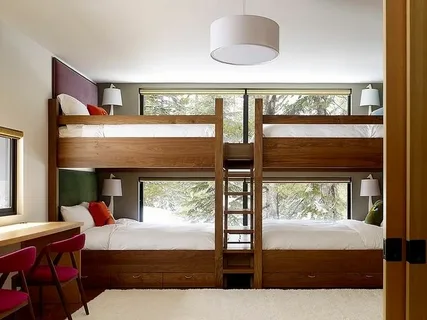
Bunk beds have long been a favorite in family households—not just for their space-saving benefits, but also for the fun and versatility they bring to a child’s bedroom. Whether you’re furnishing a shared room, maximizing space, or adding a playful feature to your home, choosing the right bunk bed involves more than just picking a style.
The right design balances safety, comfort, and practicality for growing kids. A trusted brand like Ember and Oak Bunk Beds offers options that are not only stylish but also built with durability and thoughtful features in mind. Selecting a bunk bed is an investment in both your child’s well-being and the functionality of your living space.
This article explores the key considerations when choosing a bunk bed for your child. From material choices to safety guidelines and adaptable designs, we’ll walk you through how to make a decision that fits your family’s needs.
Prioritizing Safety First
Safety should always be the top priority when it comes to children’s furniture. Bunk beds, by design, elevate one sleeping area, which introduces certain risks if not constructed or used properly. Look for models that meet current safety standards and have been tested for stability and structural integrity.
Features like sturdy guardrails on the upper bunk, secure ladders or staircases, and weight ratings are essential. Some models include anti-slip ladder rungs or built-in handrails to support younger children climbing to the top bunk. Check for gaps between railings and mattresses to prevent entrapment, and ensure that the mattress height is compatible with the guardrails.
Also, follow the manufacturer’s recommended age limit—typically, the top bunk is not advised for children under six years old. Reinforcing household rules about how to use the bunk safely is just as important as choosing the right model.
Choosing the Right Material
Bunk beds come in a variety of materials, with wood and metal being the most common. Each has its benefits and potential drawbacks. Solid wood frames offer a classic appearance, excellent strength, and longevity. They’re often chosen for their durability and ability to blend with other furnishings.
Metal frames, on the other hand, tend to be lighter and more affordable. They can offer a sleek, modern aesthetic and are often easier to move or adjust. However, they may not provide the same level of long-term resilience as high-quality wood.
If longevity and aesthetic value are important to you, brands like Ember and Oak Bunk Beds offer wooden options made with premium materials and craftsmanship. Consider finishes, textures, and how the design complements the overall look of your child’s room.
Understanding Size and Room Layout
Not all bunk beds are created equal when it comes to size. While twin-over-twin is the most traditional configuration, there are also twin-over-full, full-over-full, and even triple bunk setups for larger families or shared rooms.
Start by measuring your room dimensions, taking into account ceiling height, wall clearance, and walking space. Bunk beds require more vertical space, and you should allow for comfortable clearance above the top bunk to prevent head injuries.
Also, think about furniture placement. Will there be space for desks, dressers, or play areas? Some bunk beds come with built-in drawers, shelves, or under-bed storage to help make the most of limited space.
Multi-Functional and Convertible Designs
Today’s bunk beds often go beyond the traditional two-bed stack. Many come with built-in storage drawers, workstations, or even playhouse designs that integrate function with fun. For example, some feature pull-out trundle beds for sleepovers, or lofted designs that free up space underneath for desks or seating.
Convertible bunk beds are also growing in popularity. These models can be separated into two standalone beds, making them a flexible option that grows with your child. This adaptability can extend the furniture’s usefulness well beyond the early years.
Families looking for long-term value will appreciate how brands like Ember and Oak Bunk Beds offer modular designs that can be reconfigured to match evolving needs over time.
Considering Style and Personalization
Children’s furniture should be functional, but that doesn’t mean it can’t be stylish. Bunk beds now come in a wide range of designs, from rustic and traditional to sleek and minimalist. Choose a style that matches not only the room décor but also your child’s personality.
Color can also play a big role. Neutral tones provide timeless appeal and allow for easier room makeovers as tastes change. For a more playful touch, some bunk beds feature painted accents, themed shapes, or customizable options.
Involving your child in the selection process can also make them feel excited and more connected to their new space. Let them choose between color options or layouts that suit their preferences.
Assembly and Maintenance Considerations
Some bunk beds can be complex to assemble, especially those with added features like stairs, desks, or storage. Be sure to read reviews about ease of assembly and consider whether professional installation is needed.
Once set up, regular maintenance is key. Periodically check for loose bolts, wear and tear, or any structural issues. Tightening hardware and keeping an eye on safety features ensures that the bed remains secure and functional.
Many premium bunk bed manufacturers offer warranties or detailed maintenance guides. Choosing a brand that stands behind their product, such as Ember and Oak Bunk Beds, provides peace of mind and long-term reliability.
Planning for Long-Term Use
When selecting a bunk bed, think beyond the immediate moment. Is this a temporary solution, or are you hoping the bed will last through your child’s teen years? A well-built bunk bed can serve your family for many years if chosen with flexibility and future-proofing in mind.
If your children are young, consider models that accommodate growing bodies and changing needs. Features like removable ladders, adjustable configurations, and separate sleeping spaces help extend the life of the furniture.
Opting for quality craftsmanship over short-term savings often results in better satisfaction and fewer replacements down the line.
Conclusion
Bunk beds offer a great combination of space efficiency, style, and fun—but choosing the right one takes thoughtful planning. By considering safety, materials, layout, and long-term needs, you can find a bed that supports both your child’s lifestyle and your family’s home environment.
Brands like Ember and Oak Bunk Beds provide well-designed, durable solutions that meet these demands while adding charm to any room. With the right selection, a bunk bed becomes more than furniture—it becomes a smart investment in your child’s comfort, creativity, and safety.