

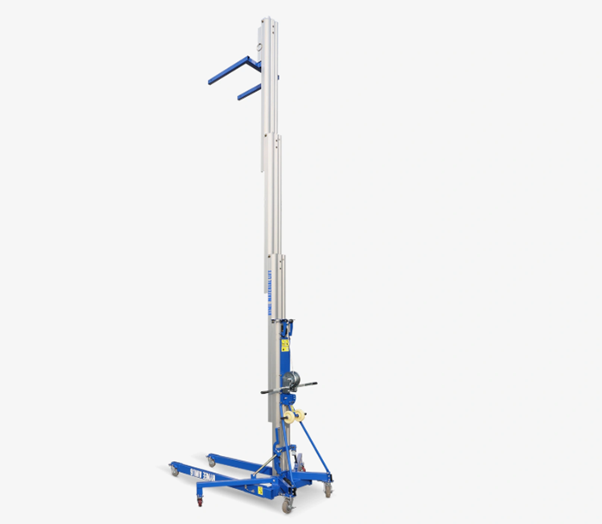
Material lifts are essential equipment in many industries. They make it easier and safer to move heavy items from one level to another. Whether you work in construction, warehousing, manufacturing, or event setups, the right lift can save time, reduce injury risks, and improve productivity. But buying the lift is only part of the story. Choosing the right material lifts manufacturer is just as important. The quality, safety, and durability of your lift depend heavily on the company that makes it.
In this article, we will guide you through the key factors to look at before choosing a manufacturer for your industry needs.
1. Identify Your Industry Requirements
Before looking for a manufacturer, first understand your own needs. Different industries use material lifts for different purposes.
- Construction: Lifts need to handle rough outdoor conditions and carry heavy loads.
- Warehousing: Speed and efficiency are more important, often with electric or battery-powered lifts.
- Manufacturing: Lifts may need to be part of an assembly line or move raw materials.
- Events: Portable and easy-to-assemble lifts are preferred.
Make a checklist of your requirements: load capacity, height reach, mobility, power type, and safety features. This will help you narrow down your choices later.
2. Check the Manufacturer’s Experience and Reputation
An experienced material lifts manufacturer will understand the demands of your industry better than a newcomer. Look for a company that has been in the business for several years and has a proven track record.
Check online reviews, testimonials, and case studies. You can also ask the manufacturer for references from previous clients in your industry. A reputable company should be transparent and happy to share such details.
3. Look at Quality and Safety Standards
Safety is non-negotiable when it comes to lifting equipment. A good manufacturer will follow international safety standards like ISO, ANSI, or CE certification.
Make sure the lifts are made from strong, durable materials such as high-grade steel or aluminum. Ask about the testing process—good manufacturers test their lifts under maximum load to ensure safety.
Also, check for safety features such as:
- Overload protection
- Emergency stop buttons
- Non-slip platforms
- Secure locking systems
4. Compare Customization Options
Every business is unique. Sometimes, off-the-shelf lifts may not meet all your needs. This is where a manufacturer offering customization can be a big advantage.
For example, you may need:
- A specific platform size
- Higher weight capacity
- Different power options (manual, electric, hydraulic)
- Additional safety barriers or sensors
A flexible manufacturer will work with you to design a lift that suits your exact requirements.
5. Evaluate After-Sales Support and Maintenance
Buying a lift is an investment, and you need it to last for years. After-sales support is a key factor when choosing a manufacturer.
Good manufacturers offer:
- Installation and training
- Regular maintenance plans
- Quick response for repairs
- Easy availability of spare parts
Ask if the company provides a warranty. A longer warranty period is often a sign of the manufacturer’s confidence in their product.
6. Compare Prices Without Compromising Quality
Price matters, but it should not be the only deciding factor. Sometimes, cheaper lifts end up costing more in the long run due to breakdowns and repairs.
When comparing prices:
- Check what is included (installation, warranty, maintenance).
- Compare lifts with similar features and load capacities.
- Consider the total cost of ownership over the lift’s lifetime.
A slightly higher initial price may be worth it if the lift is more durable and comes with better support.
7. Ask About Delivery Times and Logistics
For many industries, time is money. Delays in getting your lift can slow down projects and increase costs.
Ask the manufacturer about their average delivery time. Do they keep popular models in stock? Can they handle urgent orders? Also, check if they offer safe delivery to your location or if you need to arrange your own transport.
8. Assess Communication and Customer Service
A manufacturer’s attitude towards customer service says a lot about how they will treat you after the sale.
Pay attention to how quickly they reply to your questions, how clearly they explain technical details, and how willing they are to understand your needs. Good communication before purchase usually means better service after purchase too.
9. Look for a Long-Term Partnership
Choosing the right material lifts manufacturer should not be a one-time transaction. The best choice is a company you can trust for years. As your business grows, you may need more lifts, upgrades, or maintenance. A strong relationship with a reliable manufacturer will make these processes easier and smoother.
Conclusion
The right material lifts manufacturer can make a big difference in your operations. By focusing on quality, safety, customization, after-sales support, and industry experience, you can find a partner who will help your business run more efficiently.
Take your time, compare options, and ask plenty of questions. Remember, this is an investment in your safety, productivity, and long-term success.