

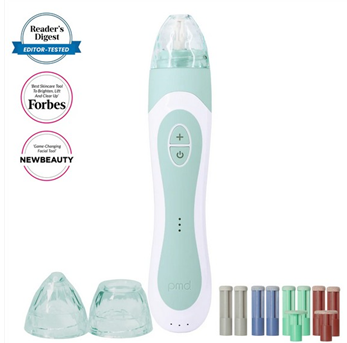
Navigating the world of personal microdermabrasion can feel like walking through a skincare minefield. With countless devices promising radiant, youthful skin, finding the perfect match for your unique complexion requires careful consideration. This guide will walk you through the essential steps to select a personal microderm device that transforms your skincare routine and delivers professional-grade results from the comfort of your home.
Your Skin Type and Concerns
Analyzing your specific skin needs is the cornerstone of selecting the right personal microderm device. Every individual’s skin tells a unique story – from acne-prone surfaces to sun-damaged complexions, understanding your specific concerns becomes paramount. Begin by conducting a thorough skin assessment that goes beyond surface-level observations. Consider your skin’s texture, sensitivity, primary concerns like fine lines, hyperpigmentation, or uneven skin tone, and any existing dermatological conditions that might impact your microdermabrasion experience.
Identifying skin sensitivity levels requires an honest self-evaluation. Some individuals have robust, resilient skin that can handle more intense treatments, while others possess delicate complexions prone to irritation. Skin sensitivity isn’t just about immediate reactions but long-term skin health. People with rosacea, eczema, or reactive skin must be particularly cautious. Consulting a dermatologist can provide professional insights into your skin’s tolerance levels and help you select a device with appropriate intensity settings that won’t compromise your skin’s protective barrier.
Matching device capabilities to skin conditions demands a strategic approach. Not all personal microderm devices are created equal. Some excel at addressing specific concerns like fine lines, while others are more versatile. Consider devices with adjustable settings that allow you to customize treatments based on your skin’s changing needs. For instance, someone battling hormonal acne might require different microdermabrasion intensity compared to an individual focusing on age-related skin texture improvements.
Key Features to Consider in a Personal Microderm Device
Suction power variations play a critical role in determining a device’s effectiveness. The right suction mechanism can help remove dead skin cells, stimulate circulation, and promote collagen production. Best personal microderm typically offer multiple suction levels, allowing users to start gently and progressively increase intensity. Lower suction settings work best for sensitive skin, while higher settings can target more stubborn skin concerns like deep-seated blackheads or uneven texture.
Exfoliation intensity levels determine how thoroughly a personal microderm device can renew your skin. Modern devices incorporate different exfoliation technologies, including crystal and diamond-tip mechanisms. Crystal-based systems use fine crystals to remove dead skin cells, while diamond-tip devices provide more controlled, precise exfoliation. The ideal device should offer graduated intensity levels that adapt to your skin’s changing needs and tolerance, ensuring a customized skincare experience that evolves with your complexion.
Interchangeable heads and attachments represent another crucial consideration when selecting a personal microderm device. Versatility is key – look for systems that include multiple heads designed for different body areas and specific skin concerns. Some advanced devices offer specialized attachments for facial contours, under-eye regions, and even body treatments. These adaptable systems provide comprehensive skincare solutions, transforming a single device into a multi-functional skincare tool.
Budget and Cost Considerations
Price ranges for personal microderm devices vary dramatically, from affordable consumer models to professional-grade systems costing hundreds of dollars. Entry-level devices typically range between $50-$150, offering basic functionality for occasional home use. Mid-range options ($150-$300) provide more advanced features, multiple intensity settings, and better build quality. High-end devices priced above $300 often include professional-level technologies, comprehensive warranty coverage, and additional skincare accessories.
Long-term investment versus initial cost requires careful financial planning. While premium devices might seem expensive initially, they can save significant money compared to repeated professional treatments. A single professional microdermabrasion session can cost between $100-$200, meaning a high-quality at-home device could pay for itself within just a few uses. Consider the device’s durability, warranty, and potential replacement part costs when evaluating its overall value proposition.
Comparing professional treatments to at-home devices reveals nuanced differences. Professional treatments offer expert application and more intense procedures, but they’re expensive and time-consuming. Personal microderm devices provide convenience, flexibility, and consistent maintenance between professional sessions. The key is selecting a device that closely mimics professional-grade technologies while remaining safe and user-friendly for home application.
Safety and Technology Specifications
FDA-approved devices represent the gold standard in personal microdermabrasion technology. These devices have undergone rigorous testing to ensure user safety and efficacy. When shopping, prioritize devices with clear FDA approval documentation, which guarantees they meet stringent health and safety regulations. FDA approval indicates the device has been evaluated for potential risks and demonstrated consistent performance standards.
Advanced microdermabrasion technologies continue evolving, incorporating sophisticated features like intelligent skin sensors, pressure-adaptive mechanisms, and integrated cooling systems. Look for devices that offer real-time skin diagnostics, automatically adjusting treatment intensity based on your skin’s current condition. Some cutting-edge systems include LED light therapy or sonic vibration technologies that enhance overall treatment effectiveness and promote deeper product absorption.
Built-in safety mechanisms protect users from potential skin damage. These features might include automatic shut-off functions, pressure sensors that prevent excessive suction, and ergonomic designs that minimize user error. Some advanced devices incorporate skin conductivity sensors that adjust treatment parameters in real-time, ensuring a consistently safe and personalized experience.
Summary
- Understand your unique skin type and specific concerns
• Prioritize devices with adjustable intensity settings
• Consider long-term investment versus initial cost
• Choose FDA-approved devices with advanced safety features
• Match device capabilities to your specific skin conditions
• Read comprehensive user reviews from verified purchasers
• Start with gentler settings and gradually increase intensity
• Maintain realistic expectations about treatment outcomes
• Always patch test and consult a dermatologist if uncertain