

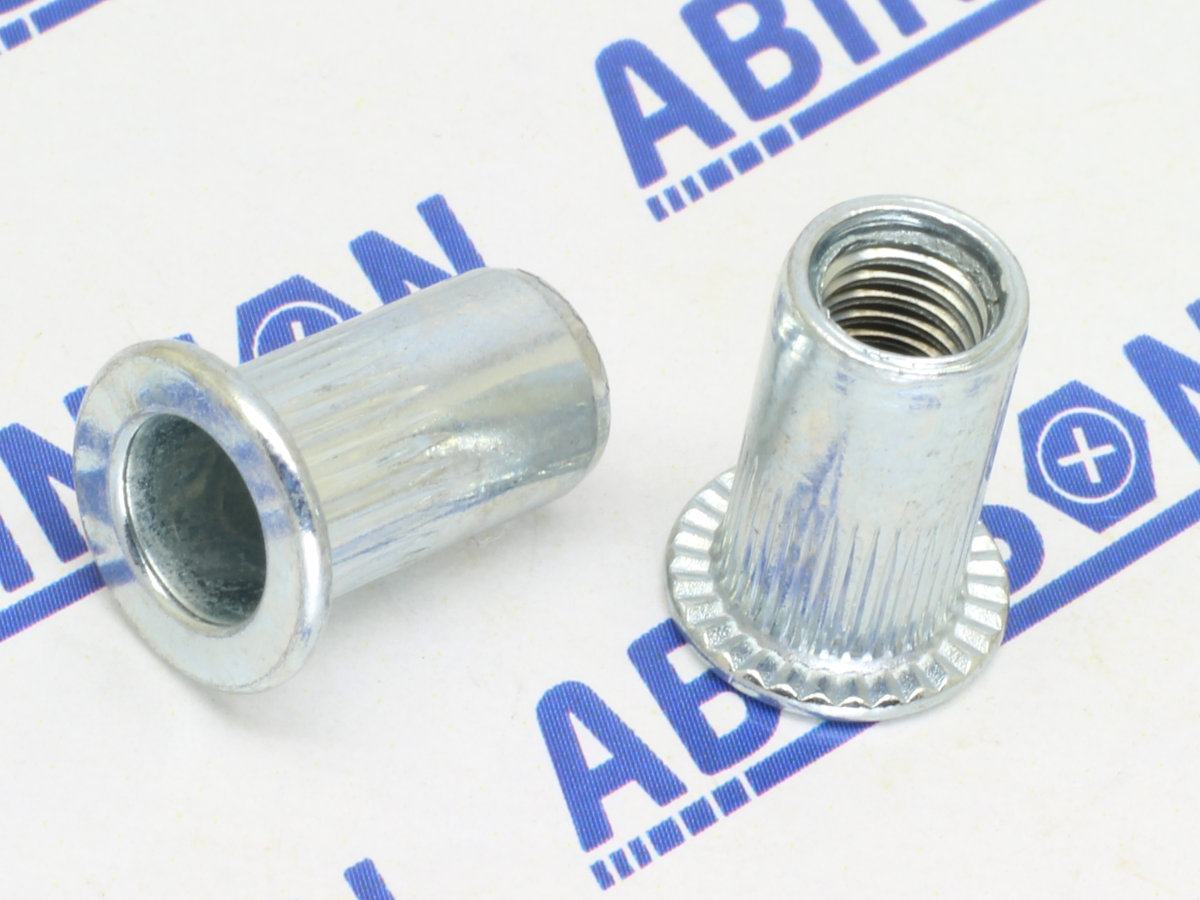
Choosing the right fasteners is crucial for the success of any automotive project. These components are essential in ensuring that parts stay securely in place while withstanding the demanding conditions typical in automotive environments. The right fasteners can make a big difference in the longevity and performance of a vehicle.
Among them, rivet nuts also called rivnuts are widely used in automotive applications for their ability to create strong, durable connections, even in thin or soft materials. This article will guide you through the process of selecting the best one for your automotive needs, focusing on factors like material selection, sizing, and installation methods. By understanding these key factors, you can ensure that your project will be completed with optimal efficiency and reliability.
Material Compatibility
When selecting these nuts, the material is one of the most important factors to consider. Automotive projects often expose fasteners to challenging environments, such as high temperatures, moisture, and vibrations. The material of the rivnut needs to be robust enough to withstand these conditions over time. These nuts are typically made from materials like stainless steel, aluminum, brass, and steel.
Stainless steel is particularly well-suited for automotive applications due to its high resistance to corrosion, making it ideal for parts exposed to moisture or extreme conditions. Aluminum, on the other hand, is lightweight and provides sufficient strength for applications where weight savings are important. To ensure that your fasteners will last under harsh conditions, it’s crucial to choose a material that matches the environmental challenges the fasteners will face.
Sizing and Thread Standards
Correct sizing and thread standards are crucial when selecting these nuts. The size of the rivnut determines its strength and compatibility with bolts or screws. Automotive applications often require these nuts to handle a range of forces, so choosing the correct size ensures that the fastener will perform as expected.
In addition to size, consider the thread type. Rivet nuts typically use standard threads like Unified National Coarse (UNC) or Unified National Fine (UNF), which should match the corresponding bolt or screw. Ensuring that the threads of the rivnut and fastener are compatible is essential for a secure and tight connection.
Installation Methods
The installation process varies depending on the tools and equipment available. Common installation methods include manual, pneumatic, and hydraulic tools. Each method offers different advantages based on the scale and complexity of your project. For small-scale projects or repairs, manual tools may be sufficient.
These tools provide a cost-effective way to install these nuts but may require more effort and time. For larger projects or high-volume applications, pneumatic or hydraulic tools are faster and more efficient. These tools allow for precise installation with less manual labor, making them ideal for large automotive assembly lines or professional workshops.
Application and Load-Bearing Requirements
The application of the rivnut in your automotive project directly influences the type and size of the fastener required. Automotive applications vary widely, from securing interior trim and body panels to holding engine components. Each of these applications demands different strength and durability requirements.
For high-stress applications, such as securing heavy components or parts exposed to vibration, it’s important to select nuts with a higher load-bearing capacity. Materials like stainless steel or reinforced nuts are ideal for these demanding tasks. On the other hand, smaller and lighter nuts may suffice for lighter applications, such as attaching trim pieces.
Before selecting a rivnut, assess the forces the fastener will need to withstand and ensure the selected option can handle those loads. This consideration will help prevent failures and ensure the fastener provides the needed security.
Selecting the right rivet nuts for your automotive project involves careful consideration of material, sizing, thread standards, and installation methods. Choosing the appropriate fastener ensures that the components are securely held together and capable of withstanding the stresses of automotive use. Whether you are working on small repairs or large-scale assembly, the right nuts will enhance the durability, safety, and efficiency of your project.