

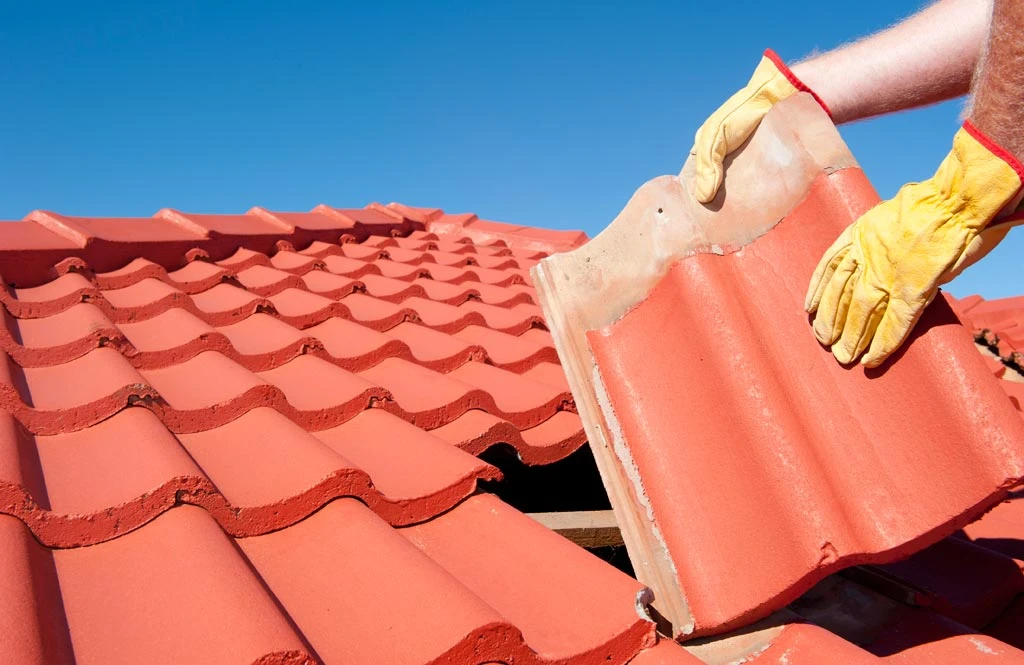
Melbourne weather is famously unpredictable. Within a single day, your home can face burning sun, heavy rain, gale-force winds, and sudden temperature drops. Your roof bears the brunt of these shifting conditions. When a tile cracks or a leak appears, you cannot afford to wait. Minor issues quickly turn into costly structural problems if left unmanaged.
Finding a reliable roof tiler near me ensures your home stays dry, safe, and well-insulated. Local expertise matters because roofing requirements vary by region. A local professional understands the specific challenges caused by Victorian weather, historical housing styles, and local building regulations.
The Core Aspects of Professional Roof Tiling
Roof tiling involves more than just placing clay or concrete pieces on top of a structure. It is a detailed process that combines safety compliance, structural engineering, and waterproofing techniques.
A qualified trade professional handles several critical tasks:
- Inspection and Assessment: Checking for sagging timber, degraded underlayment, and hidden cracks.
- Sarking Installation: Putting down a protective, reflective foil layer under the tiles to improve insulation and block moisture.
- Batten Alignment: Securing the horizontal wooden or steel strips that hold the tiles at the correct angle.
- Bedding and Pointing: Applying mortar to hold ridge caps in place, followed by a flexible compound that expands and contracts with changing temperatures.
Major Benefits of Hiring a Local Expert
Choosing a qualified technician from your immediate area offers distinct advantages for your property and your wallet.
1. Rapid Response to Storm Damage
When severe storms hit Melbourne, a nearby provider can secure your property quickly. Emergency tarping protects your ceilings, electrical systems, and personal belongings from sudden water ingress.
2. Deep Knowledge of Local Building Codes
Victorian building laws are strict regarding safety and drainage. Local specialists know the exact compliance standards required by the Victorian Building Authority (VBA). This ensures your work passes inspections and stays valid under your home insurance policy.
3. Material Expertise for Regional Styles
Whether your home is a classic Federation brick veneer with terracotta tiles or a modern build using concrete profiles, a local specialist knows how to source matching materials. They know which coatings resist the salt air if you live near Port Phillip Bay, or how to handle high wind zones in the outer suburbs.
Common Roofing Challenges in Melbourne
Homeowners face specific difficulties when maintaining tiled roofs across the city. Understanding these problems helps you identify issues before they get out of hand.
Scorching Summers and Freezing Winters
The constant cycling between extreme summer heat and winter cold causes building materials to expand and contract. Over time, standard cement mortar cracks and falls away from ridge caps. This leaves the highest points of your roof open to water penetration.
Structural Weight Issues
Concrete and terracotta tiles are heavy. If a previous builder used subpar timber supports, the roof can sag over time. A professional must calculate the weight load carefully before performing major replacements.
Moss and Lichen Growth
Shady, damp areas on your roof encourage the growth of moss and lichen. These organisms hold moisture against the tile surface. During winter, this trapped water freezes and expands, causing the tile surface to flake and weaken.
Current Trends in Roof Tiling
The industry is adapting to meet modern demands for efficiency and durability. Homeowners now have access to better materials and techniques than previous generations.
Flexible Pointing Compounds
Traditional sand and cement pointing is no longer the standard. Professionals now use polymer-modified flexible pointing. This compound bends with the movement of your home, preventing cracks and keeping ridge caps secure for decades.
Thermal Heat-Reflective Coatings
Modern roof restoration often includes applying specialized primers and topcoats that reflect solar radiation. Darker tiles can absorb massive amounts of heat, but reflective coatings reduce the workload on your air conditioning units during peak summer.
Concrete vs. Terracotta Preferences
While terracotta remains prized for its timeless color longevity, advanced concrete tiles are rising in popularity. Modern concrete formulations are lighter, denser, and less porous than older variants, offering a balance of strength and affordability.
How to Verify a Roof Tiler Before Hiring
To protect your financial investment, follow a strict verification checklist before signing any contract:
- Check the VBA License: Ensure the professional holds a current registration for roof tiling with the Victorian Building Authority.
- Ask for Public Liability Insurance: The provider should carry active insurance to cover any accidental property damage during the job.
- Request Local Written References: Look for physical reviews from clients in nearby suburbs to confirm their recent work quality.
- Demand a Detailed Quote: Avoid flat verbal estimates. A proper quote lists material costs, disposal fees for old tiles, and labor hours clearly.
Final Thoughts
Your roof is the primary shield protecting your family and your possessions. Neglecting cracked tiles or aging mortar leads to expensive timber rot and internal plaster damage. Hiring a certified roof tiler near me ensures that repairs or installations are done correctly the first time, using methods suited to the local climate.