

Did you know that nearly 3.7 billion people are affected with oral diseases?
Despite the prevalence of oral diseases, many overlook the importance of maintaining good oral hygiene.
However, brushing and traditional flossing help maintain oral hygiene, but they often miss areas like the back of your teeth and between molars.
It is important to keep these spots clean to prevent oral disease.
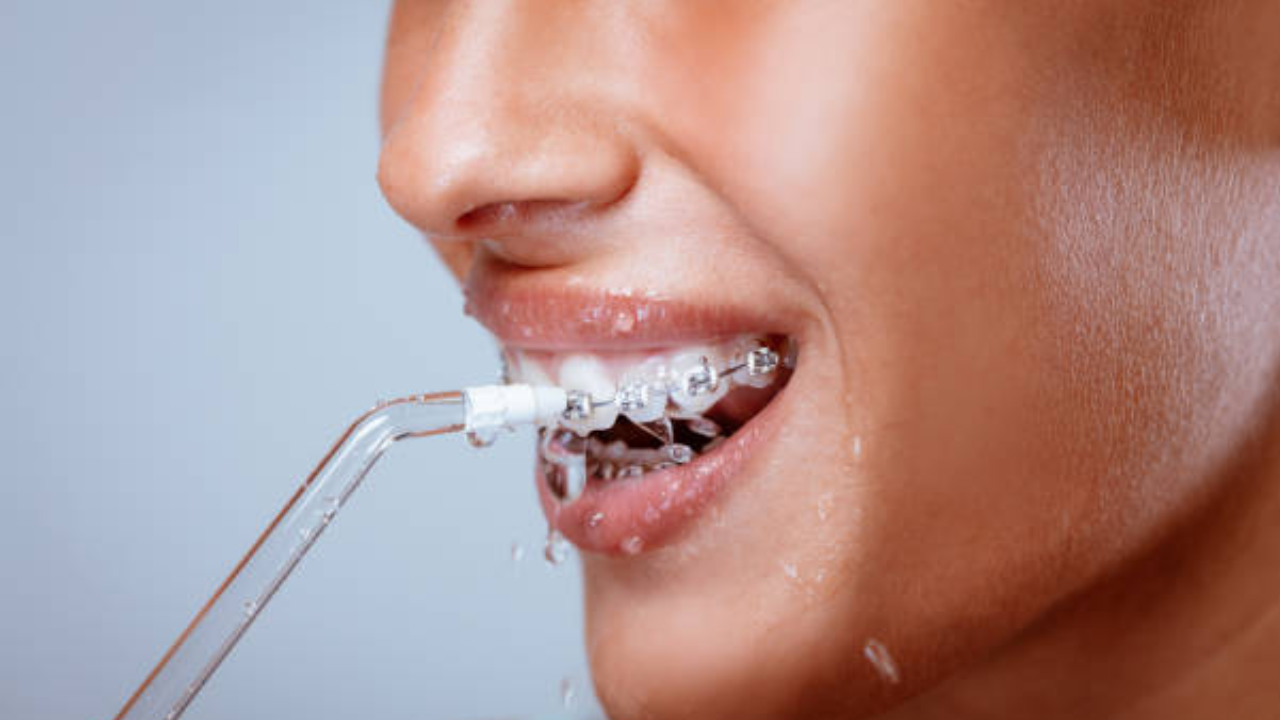
So, this is where the water flosser comes in. This dental appliance, with its precise water stream and adjustable pressure setting, makes it easy to target the hard-to-reach spots.
Here, we will learn more about how you can clean the missed areas with a machine for washing teeth.
1. Understand the Water Flosser’s Key Features
The Water Flosser comes with features that enhance your flossing experience. Here are some features you should be aware of:
- Waterproof Design: You can easily use it in wet conditions without damaging it.
- Ergonomic Design: A design that fits naturally in your hands and allows you to floss comfortably for extended periods.
- Five Modes: The five modes available in the flosser by which you can customize your flossing experience for your needs from gentle to powerful.
- Multiple Nozzles: With nozzles that cater to different cleaning needs and hard-to-reach areas, you can ensure a thorough clean.
2. Position the Water Flosser at a 90-Degree Angle
The proper positioning of the water flosser helps in effective plaque removal.
- Hold the flosser tip at a 90-degree angle to your gums for optimal cleaning.
- Start by angling the tip toward the hard-to-reach areas, such as the back teeth, molars, and gum line.
3. Adjust the Pressure Setting
When adjusting the pressure setting, it is important to know some key tips:
- Start with the lowest settings if you are new to using a water flosser.
- Gradually increase the pressure until you find a practical yet comfortable level.
- Use different settings for different areas of your mouth. For example, you can use a higher pressure for the back teeth or harder-to-reach areas and a lower pressure for more sensitive gums or teeth.
- Pay attention to how your gum feels. If you feel any discomfort or irritation, gently reduce the pressure.
4. Focus on the Back of the Mouth
The back of the mouth, including the molars, can be difficult to reach with traditional brushing or flossing. So, use the flosser in a way that helps clean the areas that are often missed.
- Move the flosser slowly and steadily around the back molars.
- Tilt your head slightly to allow the water to flow easily and avoid splashing.
5. Use the Right Technique for Each Area
Water flossers are much more effective at removing plaque than traditional dental floss, especially for cleaning hard-to-reach areas. So, this is a breakdown of the proper cleaning of each area.
| For the gum line. | Gently run the flosser along the edges to move food particles and bacteria. |
| For between teeth. | Direct the water stream into the spaces for effective cleaning. |
6. Clean Every Section for Thoroughness
It is important to divide your mouth into sections and spend time on each area for proper cleaning. For hard-to-reach back teeth, consider cleaning one side at a time for thorough cleaning.
7. End with a Final Rinse
After cleaning all areas, use a water flosser on a gentle setting to rinse out any remaining debris. Then, follow up with a mouthwash for extra freshness and a complete cleaning routine.
The Bottom Line
To maintain a healthy smile, you should clean hard-to-reach areas with a water dental flosser. Follow the above tips, such as understanding the features, positioning the flosser correctly, adjusting the pressure, and using the right techniques. All of these steps will help you prevent and remove plaque thoroughly. Also, after regularly using a water flosser, rinse your mouth to ensure the healthiest gums and teeth.