


A personal brand is your reputation as a thought leader or expert, through multiple opportunities to express your ideas and share your experiences.
Repeatedly showing up online in a manner that clearly communicates your message will increase your credibility and help future clients and colleagues associate both you and your work with what they expect from you as an expert.
Additionally, your reputation is determined by the number of times that you provide others with the same solution to the same problem over time. Eventually, you become known for what you do and how you think.
In this blog post, we’ll share seven ways to develop a profitable personal brand.
What Does a Personal Brand Mean?
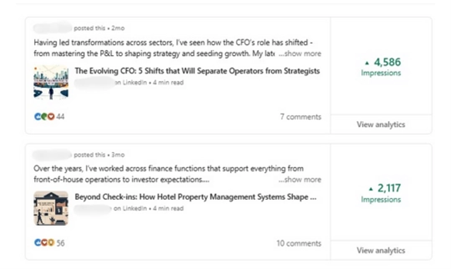
A personal brand means being known for ideas and opinions and being visible in the public eye while offering value consistently. Brands begin to develop reputations through communication via social media.
Most people have personal brands because they want to be heard, seen, or noticed. The problem is that without trust, attention is generally an ineffective marketing tool; people see you but do not remember you, recommend you, or buy from you.
To establish a strong personal brand, you must be associated with their interests (what you do), based on the trust you create by being consistent and clear about the type of information you provide.
To create a successful personal brand in 2026, you should:
1. Begin by Determining your Positioning
Positioning refers to the answers to three key questions, such as:
- Who is my audience?
- What do I want to be known for?
- Why should anyone listen to me?
The use of definitions highlights how important accountability is from the start; without definition, content can be scattered and haphazard and different posts with varying themes can make it impossible for an audience to understand you.
Personal brands that have strong definitions are easier to convey. If someone cannot articulate what you do or how useful your perspective is, you must further develop your positioning to be able to help your audience more effectively.
2. Choose One Primary Platform
Trying to build a personal brand everywhere slows progress. Each platform rewards different behaviour. Writing well on LinkedIn is not the same as performing on video or growing on short-form platforms. Multiple platforms will only yield blended results.
Many people – especially those involved in careers as a business owner and founder-level professional achieve success by utilizing LinkedIn marketing.
LinkedIn is preferred because it allows users to display experience; it encourages clarity; and it allows users to create long-form muscular content.
Therefore, much of the content shared and/or researched for this report is specific to LinkedIn. However, this principle applies regardless of which social media channel you select.
Select one platform where your audience is currently engaged and commit to that platform long enough to be noticed to accomplish results. Consistent effort for a longer period will yield more results than will multiply experiences for shorter periods of time.
3. Focus on Experience
The most common thing to see is the opinion shared without any context. It takes only two people to write an opinion about a trend, to repeat a piece of advice.
What people want to read is description of their own experiences; of the things they have done in their own lives and are continuing to do.
If you have a business to run, write about the choices you had to make. If you have clients, write about the problems you see repeatedly. If you made any mistakes, write down the lessons learned after the fact.
Experiences give your message value; without an experience-based message, your posts become just another post in a constantly updated feed of posts.
4. Keep Your Messages Consistent Over Time
Continue posting regularly throughout the course of your brand creation. Remember, building trust requires repetition. Repetition should not come from saying the same exact words but rather saying similar concepts.
Your target audience will begin to associate those certain concepts with your perspective where it exists throughout time.
In time your audience will be able to predict how you would approach certain topics and the thought process associated with that topic, creating your personal brand.
5. Express Your Thoughts
Outcomes can be good indicators of success, but they don’t really provide any information without having some explanations to identify how they’ve been achieved.
People want to see your thought processes, what factors you included in your considerations, and what criteria made you eliminate options from consideration, ultimately leading to the decision you made.
When you explain how you think through your processes in life or work, it helps people relate to you and enhances your credibility. It also shows how you solve problems versus how you provide solutions.
6. Connect Your Personal Brand to Your Work
Your personal branding should support your work – not exist alongside of (in separation) your work or professionalism.
By creating solid personal branding, you will be able to provide people answers to their questions before they know what they will ask.
When people contact you, they will have an understanding your thoughts and whether those thoughts are consistent with what they need. This reduces friction in your interaction and begins the initial stages of a higher quality conversation.
Both sides of the interaction will have improved opportunity to find compatibility in their respective business offerings.
If there appears to be no connection between your personal branding and your business operation, then potential clients will not understand the relationship between the two. Having an alignment between your brand(s) will provide value beyond visibility.
7. Avoid Chasing Engagement for Engagement
Be cautious in chasing engagement as a means of just making a name or getting a presence. High engagement is impressive in terms of numbers and statistics; however, many high-engagement personal brands struggle with lack of value.
For example, some brands may area on engagement only (e.g., followers), yet their reach could be far more limited, containing fewer relevant individuals.
Focus instead on getting value to a specific person vs trying to reach all individuals. Produce relevant content, and from there, find an audience with the right demographic(s); therefore, having the right message first is key in gaining engagement.
How Long Does It Take to Build a Personal Brand?
When you start personal branding, it may not seem as if anything is happening, so it may take a while.
However, once you establish a routine of communication with others, they may talk about your content; subsequently, they may begin to offer you opportunities based on their reference for you.
Although instant success is what most people envision with regards to a personal brand, it normally takes time because of established visibility and clearly defined message(s).
Anyone who promises someone quick success in creating a personal brand will be providing individuals with “sale” of “activity” vs. “sale” of trust.
Anyone looking to generate a viable personal brand on LinkedIn should be looking for a LinkedIn marketing agency to provide them with, not only content creation, but also to provide them with engagement and followers.
To this point, if you are currently working with an agency that provides ghost writing-for LinkedIn with an additional lead generation service, you will be able to spend your time on the areas that interest you while allowing the professionals to take care of your engagement and followers.
Final Thoughts
Following the above steps will assist you in developing your own personal brand which generates profits for yourself. To create an effective personal brand, you must develop clarity, consistency and credibility with your audience, starting with your position relative to your job (e.g., how you perceive yourself), not what gets posted to social media.
Often people think they can create personal brands by posting more often on social media, when they should be connecting with the right audience through repeated exposure to their knowledge or insights. Additionally, personal brands are not created solely for the purpose of attracting new clients; instead, they create value for those who appreciate (i.e., connect with) them through sustained engagement over time.
Most importantly, successful personal brands emphasize being understood by an appropriate target audience and will become “assets” because of doing so.