

Braces have come a long way from the traditional metal brackets many of us dreaded as adolescents. Today, there are several types of braces, each with different requirements, prices, and levels of comfort. If you’re considering braces, you might feel overwhelmed by the many options available. But finding the right braces for your smile doesn’t have to be confusing. In this guide, we’ll break down the types of braces, factors to consider, and how to choose the best one for you.
Understanding Your Options
Before making a decision, it’s essential to know what’s out there. Here are the most common types of braces and what makes each unique:
- Traditional Metal Braces
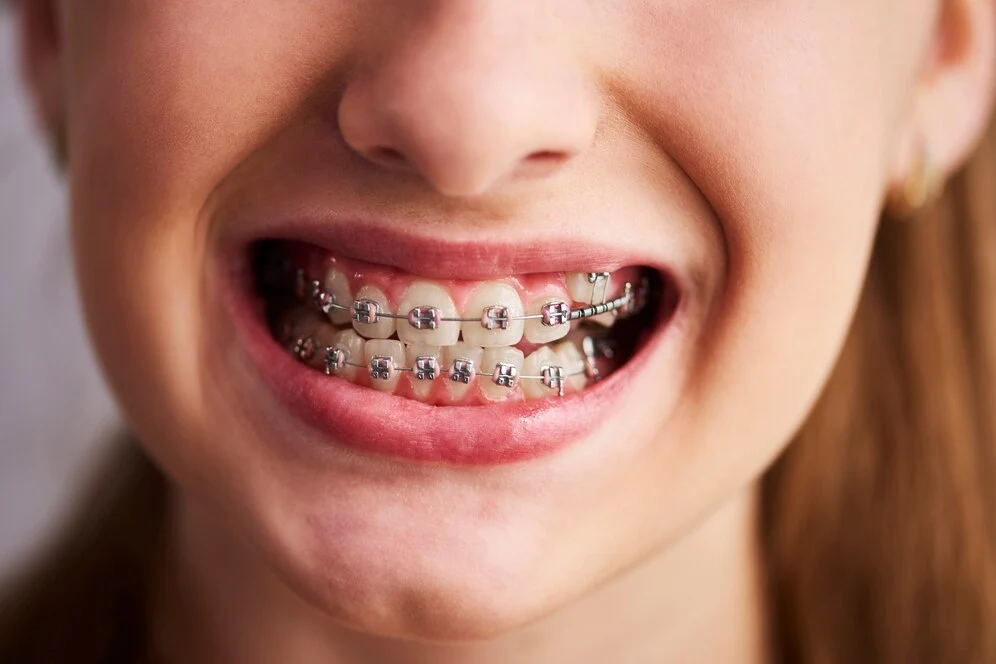
Traditional Metal Braces are the most common and widely used type of braces. They consist of metal wires and brackets that are gradually adjusted to move your teeth into the desired position. While they may not be the most discreet option, they are highly effective and typically the most affordable. Advances in orthodontic technology have reduced the size of metal braces, making them less noticeable than in the past. - Ceramic Braces
Ceramic braces work in the same way as metal braces, but instead of metal, they use tooth-coloured or clear brackets that blend in with your teeth, making them less visible. They are a great option for people who want a more discreet alternative but don’t want to compromise on effectiveness. Ceramic braces are slightly more expensive than metal ones and require careful cleaning, as they can stain. - Lingual Braces
These braces are similar in appearance to regular metal braces but are placed on the back of your teeth, so they are virtually invisible from the front. Lingual braces are an ideal option for individuals who want to have their teeth straightened without anyone knowing. They could be more expensive, however, and take a bit of getting used to, as they might make the tongue feel a bit awkward. - Clear Aligners (e.g., Invisalign)
Clear aligners are also a top seller for those who want a nearly invisible way of straightening their teeth. They are removable, custom trays that shift your teeth into position over time. They do not involve the metal brackets and wires that traditional braces do. However, they require discipline, as they must be worn for a minimum of 20-22 hours a day to be effective. They’re best suited for mild to moderate alignment issues.
Factors to Consider When Choosing Braces
Now that you know your options, it’s time to think about what will work best for you. Here are some factors to consider before making a decision:
- Your Orthodontic Needs
The severity of your dental problems plays a key role in selecting the best braces option for you. Traditional metal braces may be necessary to achieve optimal results in severe misalignment or bite problems. Patients with minimal crowding or spacing problems between teeth may find clear aligners an adequate solution. - Aesthetic Preferences
If appearance is a concern, you may prefer ceramic braces or clear aligners over traditional metal braces. Lingual braces also offer a discreet alternative, though they are less common due to their complexity and cost. - Comfort and Maintenance
Every dental brace comes with an adaptation phase, but some are more comfortable than others. Clear aligners provide more comfort than traditional braces since they don’t have metal brackets and wires, which may lead to irritation. However, they require strict maintenance, including regular cleaning and wearing them as instructed. - Cost and Budget
Since braces require a significant financial commitment, you should carefully think about your budget. Among the different types of braces, metal braces offer the most cost-effective solution, whereas ceramic and lingual braces demand higher prices. The cost of clear aligners varies based on both treatment duration and selected brand. Make sure to ask your orthodontist about available payment plans and insurance options. - Treatment Duration
The length of time you’ll need to wear braces depends on your specific dental issues and the type of braces you choose. Traditional braces usually take between 18 months to 3 years, whereas clear aligners might offer a shorter treatment time for minor corrections. However, faster treatment doesn’t always mean better results, so it’s important to follow your orthodontist’s recommendations.
Making the Right Choice
Once you’ve considered all these factors, the next step is to consult with an orthodontist. They will evaluate your teeth, discuss your options, and recommend the best treatment plan for your specific needs. It’s always a good idea to get multiple opinions before making a final decision.
During your consultation, ask about:
- The expected treatment duration
- Potential discomfort or side effects
- Maintenance and cleaning requirements
- Costs and financing options
Life with Braces: What to Expect
Your choice of braces will require certain lifestyle adjustments. Maintaining good oral hygiene is essential, as braces create new areas where food particles and plaque can accumulate. Brushing and flossing regularly, along with using mouthwash, will help keep your teeth and gums healthy throughout your treatment.
Your diet also needs careful consideration. Avoid hard, sticky, or chewy foods, as they can damage your braces. If you’re wearing clear aligners, you must remove them before eating or drinking anything other than water.
Some discomfort is to be expected, especially after adjustments during your treatment period. Over-the-counter pain relievers, orthodontic wax, and a soft-food diet can help manage initial soreness. The temporary discomfort is a sign that your teeth are shifting properly and that your treatment is progressing.
Selecting the ideal braces for your smile is a personal decision, based on your orthodontic needs, lifestyle, and budget. Patients who commit to the orthodontic process will find that the end result—straighter teeth—is well worth the wait. A healthy, beautiful smile not only boosts your confidence but also supports better dental health.
Making an informed decision about braces involves understanding your options and working closely with a qualified orthodontist to achieve the best results. Whether you choose traditional braces, clear aligners, or a combination of both, your success depends on following your treatment plan and looking forward to the day you can confidently show off your new smile.