


Why Copying Everyone Else Never Works
Most people start streetwear by copying whoever looks cool online. It makes sense, but it rarely works. You buy the exact fit someone else wore, put it on, and somehow it doesn’t feel right. I’ve done this myself, more than once, and the pieces always ended up unworn. The problem is simple. Their style fits their life, their body, and their taste, not yours. So copying them gives you a costume, not a wardrobe. Real personal style is different. It’s the look that feels natural the moment you put it on, the one you reach for without thinking. That kind of style can’t be bought in one order. It’s built slowly, through trying things, keeping what works, and dropping what doesn’t. Think of it like handwriting. Everyone starts by copying the same letters at school, yet over time your own version appears. Style works the same way. So stop trying to look exactly like someone else. Use them as inspiration, sure, but filter everything through what actually suits you. The goal isn’t to wear what’s trending. It’s to wear what feels like you, day after day. Once you chase that instead of trends, getting dressed gets easier, cheaper, and a lot more fun. Your style should feel like home, not a uniform borrowed from someone else’s life.
Start by Studying What You Already Love
Finding your style doesn’t start in a shop. It starts in your own wardrobe. So look at what you already own and actually wear. Which pieces do you reach for again and again? Those favourites hold real clues about your taste, even if you’ve never thought about it. Maybe you always grab neutral colours, or you lean toward heavier fabrics, or you love a relaxed fit over a tight one. So pay attention to the patterns. A well-loved trapstar hoodie you wear constantly tells you more about your style than any trend video ever could. Notice how those favourite pieces make you feel, too, because comfort and confidence matter as much as looks. I keep a mental note of which items I reach for first on a lazy morning, since those are my true style anchors. Don’t ignore the pieces gathering dust either. They tell you what doesn’t work for you, which is just as useful. So separate your wardrobe into “wear all the time” and “never touch.” The first pile is your style starting point. Build more around those pieces, and quietly retire the rest. This costs nothing and teaches you more than hours of scrolling. Your real taste is already hiding in your closet. You just have to look closely enough to notice it, then follow where it leads.
Steps to Discover Your Style
Finding your look is a process, not a lucky accident. Follow these steps and it gets a lot clearer.
- Audit your wardrobe. Sort pieces into what you wear often and what you never touch. The first pile reveals your taste.
- Save inspiration honestly. Collect outfits you’d actually wear, not just ones that look cool on someone else.
- Spot the patterns. Look for repeated colours, fits, and fabrics across your favourites and your saved looks.
- Test one new idea at a time. Try a single new piece or pairing, then see if it feels like you.
- Keep what works, drop what doesn’t. Be honest. If a piece never gets worn, it isn’t your style.
Work through these steps over a few weeks, not a single afternoon. Style reveals itself slowly, through small experiments and honest checks. So be patient with the process. Each step sharpens your eye a little more, until one day your taste feels obvious. That clarity is the goal, and it’s worth the wait.
Building a Mood Board That Means Something
A mood board sounds fancy, but it’s just a collection of looks you love in one place. It helps you see your taste clearly, all at once. So gather images of outfits, colours, and pieces that pull you in.
Save them to your phone, pin them to a wall, or drop them in a folder. The format doesn’t matter. What matters is being honest about what goes in. So only save looks you’d genuinely wear, not ones you admire from a distance but never would. That honesty is the whole point. Once you’ve gathered twenty or thirty looks, step back and study them. You’ll spot patterns fast. Maybe everything leans neutral, or relaxed, or heavy on layering. Those patterns are your style, taking shape in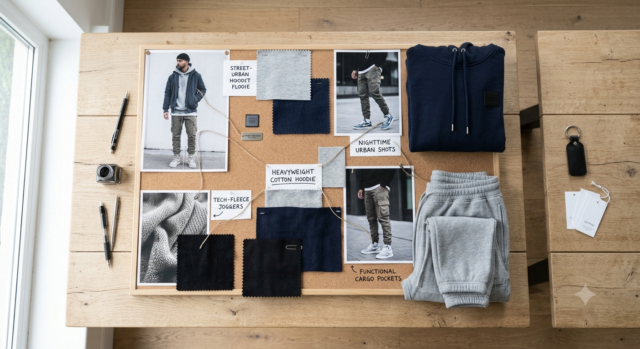 front of you. Here’s a hands-on tip: add a few fabric and texture shots, not just full outfits, because texture shapes a look as much as colour does. I noticed my board was full of dense, heavyweight pieces long before I realised I preferred that feel in real clothes. So let the board teach you. Don’t force a theme onto it. Let one emerge naturally from what you keep saving. A good mood board turns a vague sense of taste into something you can actually see and shop toward. So build one, keep it honest, and revisit it whenever you feel lost. It’s a map of your own style, drawn by you.
Avoiding the Traps That Blur Your Style
A few common traps can pull you away from your real style, so watch for them. These mistakes are easy to make and easy to fix once you spot them.
- Chasing every trend. Trends come and go fast. Building your whole look around them leaves you constantly restarting.
- Buying for a fantasy self. Pieces for the life you wish you had usually sit unworn in the drawer.
- Ignoring fit and comfort. A piece that looks great but feels wrong never becomes part of your real rotation.
- Owning too many colours. A scattered palette makes everything harder to mix and dilutes your look.
- Copying full outfits. Borrowing one idea works. Copying the whole fit just makes you look like someone else.
One honest limitation: finding your style takes time, and you’ll make a few wrong buys along the way no matter how careful you are. So don’t expect to nail it instantly. Treat the occasional mistake as part of learning, not a failure. Each wrong piece teaches you something about what you don’t want, which slowly sharpens what you do. Avoid these traps, stay patient, and your style stays clear instead of scattered.
Mixing Brands to Express Yourself
Your style isn’t tied to one brand, and it shouldn’t be. The most personal wardrobes mix pieces from different places freely. So shop across shops, picking only what fits your taste. The trick is matching by tone and feel, not by logo. A piece from noneofus can sit happily next to one from another brand, as long as both fit your colour story and your vibe. So let your style be the filter, not the brand name. This is where knowing your taste really pays off, because it tells you instantly whether a piece belongs. If it fits your patterns, it’s in. If it doesn’t, you skip it, no matter how hyped it is. I used to buy whole outfits from single brands, then realised my best fits always mixed sources. Now I treat every shop as a place to find pieces that match my look, not dictate it. So don’t feel loyal to any one label. Loyalty to your own taste matters far more. Mixing brands also keeps your wardrobe from looking like a walking advert, which always reads as more personal. So gather pieces from wherever they fit, blend them by tone, and let the mix tell your story. Your style is yours, built from many sources, shaped entirely by what feels right to you.
Letting Your Style Grow Over Time
Personal style isn’t a finish line. It’s something that keeps shifting as you do. So don’t lock yourself into one look forever. The fits that feel right at twenty might bore you at twenty-five, and that’s completely normal. Let your taste evolve. As you wear pieces and learn more, your eye sharpens and your preferences change. So check in with your style now and then, the way you’d revisit that mood board. A heavier, premium piece like a cole buxton hoodie might feel right at one stage, while bolder streetwear suits another. Both can be you, just at different times. I’ve watched my own style drift from loud graphics toward quiet, clean pieces over the years, and the shift happened naturally as I figured out what I liked. So pay attention to which pieces you reach for now versus a year ago. Those changes tell you where your taste is heading. Don’t fight the evolution. Lean into it. Retire pieces that no longer feel like you, and welcome new ones that do. Your wardrobe should grow alongside you, not freeze in one moment. So treat style as a living thing, always shifting a little. The goal isn’t a fixed look you keep forever. It’s a wardrobe that always feels like the current you, whoever that happens to be right now.
Final Words
Finding your streetwear style isn’t about copying or chasing trends. It’s about noticing what you already love, spotting your patterns, and building slowly around them. Audit your wardrobe, gather honest inspiration, and test one idea at a time. Mix brands by tone, avoid the common traps, and let your taste grow as you do. Do all that, and your style stops feeling borrowed. It starts feeling like you, which is the only look that ever truly works.
FAQs
How do I find my personal style?
Start with your own wardrobe. Notice which pieces you wear most, spot the patterns in colour, fit, and fabric, then build more around those favourites.
Should I copy outfits I see online?
Borrow ideas, not whole outfits. Copying a full fit makes you look like someone else. Filter inspiration through what actually suits your life and taste.
What’s the point of a mood board?
It shows your taste in one place. Save only looks you’d genuinely wear, then study them for patterns. Those patterns reveal your real style.
Can I mix different brands and still look consistent?
Yes. Match by tone and feel, not by logo. As long as pieces fit your colour story, mixing brands looks personal rather than messy.
Does personal style stay the same forever?
No. Style evolves as you do. Check in now and then, retire pieces that no longer feel like you, and welcome ones that match the current you.