

Acrylic fabrication represents an increasingly vital manufacturing capability for designers, architects, retailers, and manufacturers seeking versatile, visually striking, and durable material solutions. This thermoplastic polymer, known scientifically as poly (methyl methacrylate) or PMMA, offers exceptional optical clarity, weatherability, and fabrication flexibility unmatched by alternative transparent materials. Finding reliable custom acrylic cutting melbourne services requires understanding the technical capabilities, material options, and fabrication methodologies that distinguish premium providers from basic fabricators. This analysis explores essential considerations when sourcing acrylic fabrication services for projects demanding precision, aesthetic quality, and functional performance.
Understanding Acrylic Material Selection
Acrylic substrate selection fundamentally impacts project outcomes beyond basic transparency considerations. Cast acrylic sheets offer superior optical clarity, enhanced machining characteristics, and improved chemical resistance compared to extruded alternatives, though at premium price points. Extruded acrylic provides economical solutions for less demanding applications with reasonable optical performance. Modified impact-resistant formulations deliver substantially improved breakage resistance, though with reduced scratch resistance trade-offs. UV-stabilized variants ensure color stability and mechanical property retention in exterior applications. Specialized light-diffusing formulations optimize illumination projects through controlled light transmission characteristics. Color consistency between production batches requires verification, particularly for projects extending across multiple ordering cycles. Understanding these material variations enables appropriate specification decisions balancing performance requirements against budget constraints.
Cutting Technology Evaluation
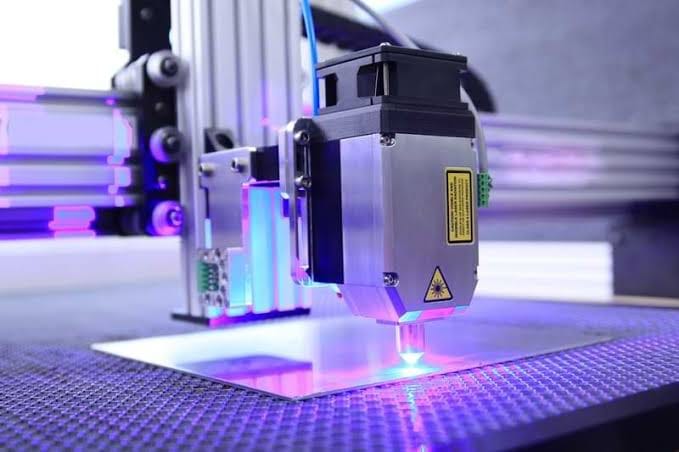
Cutting technology selection significantly impacts edge quality, dimensional accuracy, and project economics. Laser cutting produces exceptionally smooth edge finishes requiring minimal post-processing while enabling intricate design details. However, potential issues include slight edge discoloration on thicker materials and minimal material thickness limitations. CNC routing provides excellent dimensional stability and clean edges on thicker materials but requires appropriate feed rate calibration and tool selection to prevent chipping. Traditional sawing methods offer economical approaches for straight-line cuts but typically require secondary polishing operations. Waterjet cutting eliminates heat-affected zones entirely but commands premium pricing with potential issues regarding absolute dimensional precision on complex geometries. Evaluating these technological approaches against specific project requirements enables appropriate fabrication methodology selection.
Edge Finishing Considerations
Edge finishing specifications substantially impact both aesthetic and functional project outcomes. Flame polishing applies controlled heat to cut edges, restoring optical clarity through surface melting but requires precise application to prevent distortion. Diamond-edge polishing creates exceptional edge clarity through progressive abrasive processing but increases production timeframes and associated costs. Machine polishing provides economical finishing for straight edges but may struggle with complex internal geometries. Specialized router bits can produce “as-cut” edges requiring minimal secondary finishing when operated under optimized conditions. Edge finishing selection should consider viewing angles, illumination conditions, and functional requirements rather than defaulting to maximum finishing levels unnecessary for specific applications.
Design Optimization for Fabrication
Thoughtful design adaptations substantially improve fabrication outcomes and project economics. Maintaining minimum 3mm material thickness for structural applications prevents excessive flexibility and potential breakage. Incorporating minimum 3mm corner radii on internal corners reduces stress concentration points and prevents potential cracking. Ensuring minimum 5mm material bridges between closely spaced cuts maintains structural integrity during processing. Designing appropriate tolerance allowances for thermal expansion, particularly for installations with mechanical fastening or interference fits. Specifying appropriate thread engagement depths for threaded inserts prevents failure under load conditions. These design considerations optimize both fabrication efficiency and long-term performance when incorporated during initial project development rather than as afterthoughts during production.
Assembly Method Selection
Joining methodology substantially impacts both aesthetic quality and structural integrity. Solvent welding creates nearly invisible bonds with strength approaching base material but requires precise application to prevent crazing or bubbling. UV-curing adhesives provide rapid processing with excellent clarity but command premium pricing with shelf-life considerations. Mechanical fastening enables disassembly capabilities but introduces visible connection points requiring thoughtful integration into design aesthetics. Slot-and-tab construction provides elegant self-aligning assembly but necessitates precise cutting tolerance control. Specialized techniques including ultrasonic welding offer production-scale efficiency for appropriate applications. Selecting appropriate joining methodologies aligned with both aesthetic requirements and structural demands ensures successful project outcomes beyond basic material fabrication.
Technical Documentation Practices
Comprehensive technical documentation substantially improves fabrication accuracy and project efficiency. Providing CAD files in appropriate formats including DXF, DWG, or AI rather than PDF enables direct production integration. Specifying critical dimensions explicitly rather than relying on scaled drawing interpretation. Indicating flatness and parallelism requirements for precision applications rather than assuming fabricator standards. Creating clear layer identification for multi-element assemblies preventing component confusion. Developing detailed finishing and edge treatment specifications including defined quality standards rather than subjective descriptions. These documentation practices ensure accurate translation of design intent into fabricated reality while minimizing communication errors and associated production delays or quality issues.