

Improper cooking oil disposal represents a significant environmental challenge with measurable ecological and infrastructural consequences. Recent municipal wastewater analyses indicate residential oil dumping contributes to approximately 47% of fatberg formations—massive congealed blockages costing cities millions in remediation expenses annually. Implementing sustainable disposal of cooking oil practices not only prevents these issues but creates opportunities for beneficial resource recovery through increasingly sophisticated recycling systems. This comprehensive guide examines practical approaches to responsible oil management applicable across residential and commercial settings—providing actionable protocols that balance practical convenience with environmental responsibility while explaining the downstream impacts of various disposal methods on water systems, waste management infrastructure, and potential circular economy applications.
Collection System Fundamentals
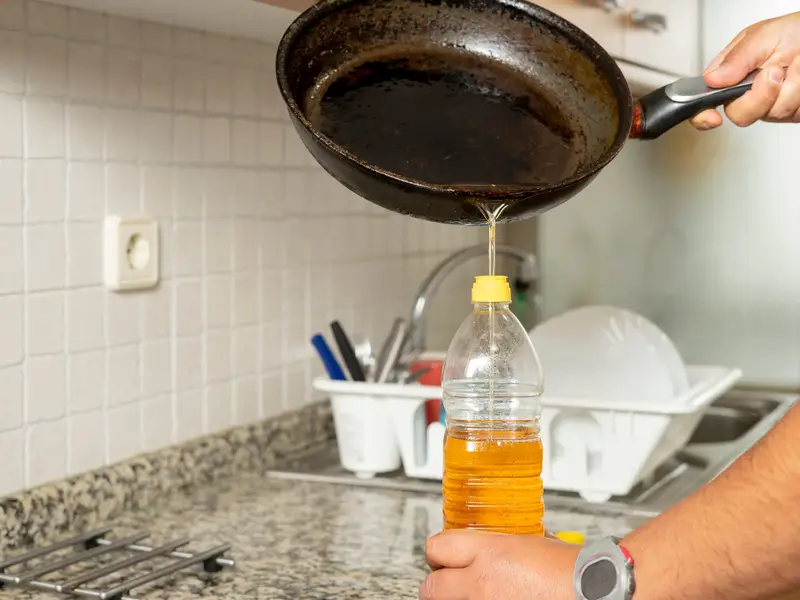
Establishing effective initial collection determines downstream disposal success. For residential settings, dedicate heat-resistant containers specifically for oil collection. Repurposed glass jars work exceptionally well, providing thermal stability when receiving hot oil while their transparency allows visual monitoring of accumulation levels.
Commercial operations require more systematic approaches. Consider installing dedicated rendering tanks in food service operations generating substantial oil volume. These specialized containers feature wide-mouth openings to minimize spills during transfer while incorporating filter screens to capture food particles that accelerate oil degradation during storage.
Temperature management significantly impacts collection efficiency. Allow oil to cool partially before transfer (approximately 120°F/49°C) – still fluid enough for easy pouring yet substantially reduced scald risk. Never refrigerate oil before disposal; the solidification dramatically complicates transfer while potentially damaging container integrity through expansion.
Filtration Techniques for Maximum Recovery
Implementing effective filtration extends storage stability while increasing recycling value. Coffee filters provide adequate residential filtration when stretched over collection containers. For higher volume applications, consider washable mesh strainers (100-200 micron rating) positioned above collection vessels.
Beyond particulate removal, consider clarification techniques. Gelatin clarification – introducing dissolved unflavored gelatin into warm oil – effectively captures microscopic particles. After cooling, these particles solidify within the gelatin matrix, allowing clean oil separation.
Industrial operations should evaluate centrifugal filtration systems. These high-throughput options remove particles down to 5 microns while simultaneously reducing moisture content – a critical factor determining recycling value and preventing microbial contamination during storage.
Community Collection Program Utilization
Municipal collection programs increasingly offer accessible disposal options. Many household hazardous waste facilities accept cooking oil year-round, though volume restrictions typically apply (generally 5-gallon maximum per visit). These facilities generally require sealed containers with secure lids to prevent transit spills.
Seasonal collection events often coincide with holidays involving significant frying activities. Thanksgiving-to-New Year programs have shown particular success, capturing approximately 35% more residential oil than standard collection periods according to waste management statistics.
Restaurant participation programs deserve special attention. Several municipalities have established commercial collection cooperatives where participating businesses share collection infrastructure costs while collectively negotiating with rendering companies. These arrangements typically achieve 30-40% cost reductions compared to individual service contracts while ensuring regulatory compliance documentation.
Biodiesel Conversion Partnerships
Direct biodiesel donation represents perhaps the most beneficial disposal pathway. Community-scale biodiesel producers increasingly accept properly stored cooking oil from individuals and businesses, often providing tax deduction documentation for commercial quantities.
Quality requirements have become increasingly stringent. Most processors refuse oil containing excessive water (>2% by volume) or displaying significant rancidity (FFA levels >5%). Meeting these specifications requires proper initial filtering and storage in temperature-stable environments away from direct sunlight.
For businesses generating substantial volumes, consider establishing formal supply relationships with biodiesel manufacturers. These arrangements typically include provided collection containers, scheduled pickups, and potential revenue sharing based on oil quality and market conditions.