

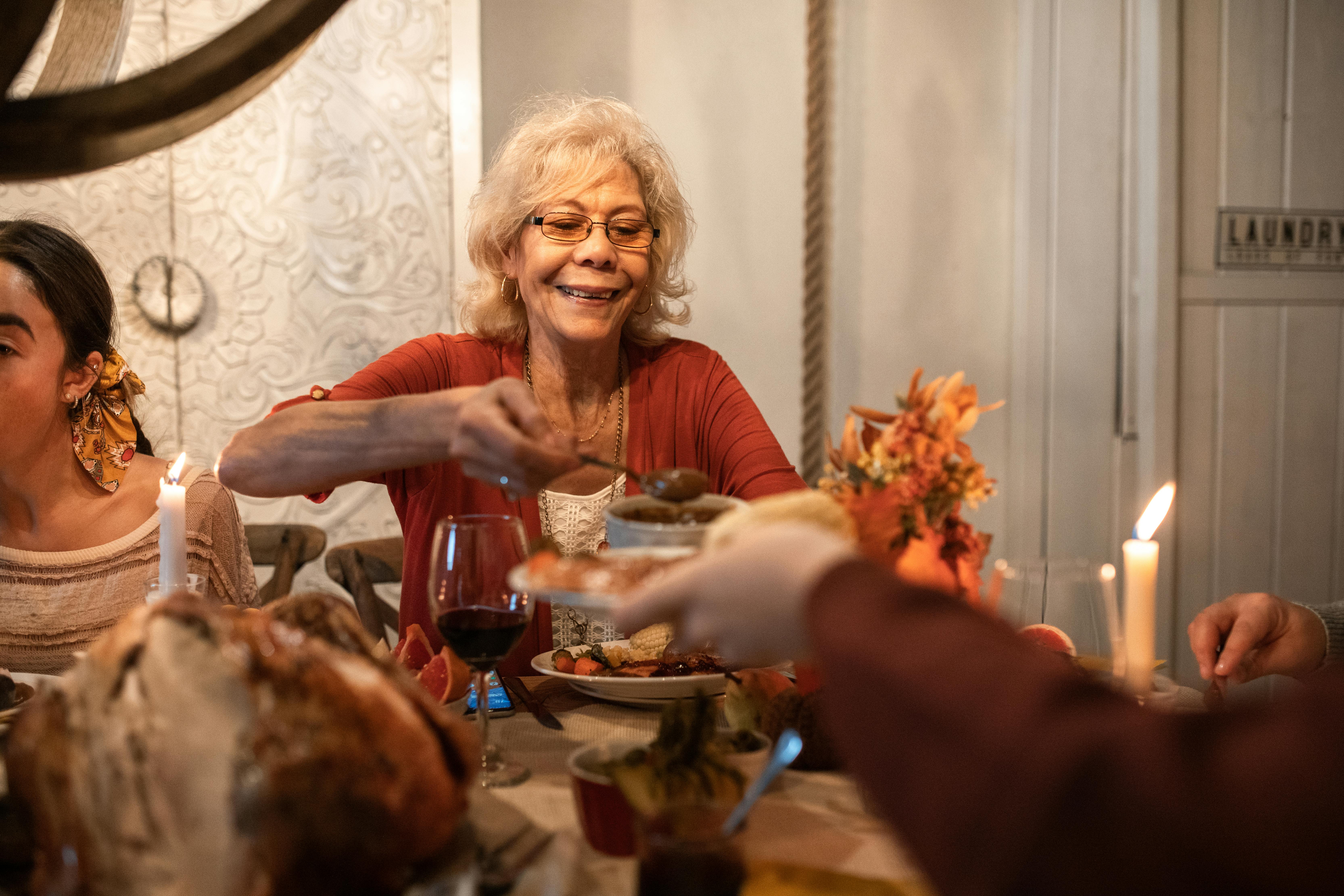
When we think of aging, we usually visualize getting weary easily or developing wrinkles. We may imagine having fewer teeth to eat our favorite foods or a doctor’s instructions restricting these foods in the first place. Another side effect of becoming older is a much higher risk of feeling emotional distress
Consider Pennsylvania, for instance: a state with a significant percentage of older adults. A recent America’s Health Rankings report suggests that these seniors also have a high prevalence of multiple chronic conditions. Frequent mental distress is more than 11 times higher among adults who have trouble with self-care.
Aging might be an uncomfortable reality to accept. It is also inevitable, at least until cryonics becomes widespread!
During this turbulent time in life, caregivers have the immense responsibility of hand-holding their loved ones. Yet, this support must not trigger feelings of dependency. Making a loved one’s everyday life more fulfilling is a huge responsibility, but one that’s replete with rewards along the way.
Companionship From a Family Caregiver
Picture long, wintry days without anyone to share a hot chocolate with or exchange stories. It seems dreary to the most robust souls, but many elderly people face this isolation every day. Loneliness can be a huge trigger for emotional distress as it evokes feelings of being unwanted and not valued.
The problem is, many people wish to support senior adults and spend more time with them. But they also have other regular responsibilities, such as work and college. These daily chores may prevent them from handling senior care consistently.
A family caregiver can fill this gap by offering companionship and support with medication, personal hygiene, and hot meals. According to aplushomecareonline.com, family caregivers can receive paid training on caregiving that encompasses both physical and emotional aspects of senior support.
This route can be helpful for families who are apprehensive about hiring an external caregiver. Instead, a trusted friend or relative can take on the responsibility in exchange for competitive compensation and the rewarding feeling that comes with caregiving.
From the senior adult’s point of view, the relationship’s highlights are communication and companionship. Just what the doctor ordered for emotional healing.
Reigniting Purpose and Meaning
Throughout our short lives, many of us pursue purpose with passion. After all, is life without meaning worth anything, so what if we must persevere to locate it? Unfortunately, older adults often find this sense of purpose elusive. It leaves them feeling distressed.
A McKinsey Health Institute report found that purpose and lifelong learning have a strong association with one’s perceived health. It implies that if seniors feel respected and valued by the community, they also feel healthier.
As a caregiver, try to encourage your patients to participate in community activities. Give pep talks and offer to escort them to the venue. Such engagement can help senior adults find meaning and open new horizons for fulfillment. Some recreational centers now offer creative and unique activities for senior adults, such as Tai Chi workshops. How about board games and meditation classes?
Based on their physical fitness, older adults can also take up opportunities for volunteering and apply for part-time jobs. Activities such as mentoring university students or delivering a lecture on their cherished doctoral subject can deliver substantial improvements in emotional vigor. All it takes is active collaboration by the caregiver in terms of logistical and psychological support.
Cultivating Coping Mechanisms Beyond Forced Positivity
Be positive, they say. Change your mindset. No matter how authentic people may be, generic advice that forces positivity can agitate older adults, and rightly so. The issues that accompany old age are genuine and challenging. Facing them isn’t as straightforward as taking ten deep breaths and letting go.
When administering senior care, caregivers should teach coping mechanisms for regular stressors. For example, many older adults benefit from group activities like yoga and singing.
A Nature study found that group singing can be especially powerful for cultivating social closeness. It even spikes your body’s levels of oxytocin, which is our “happy hormone”. Strong evidence suggests that this activity can help form new social bonds, boosting well-being.
However, there’s no point in denying that moments of dismay may still arrive unannounced. Numerous triggers could cause stress among seniors. The loss of the beloved family pet. The diagnosis of a terminal illness. Life can be harsh.
Carers can promote emotional well-being by helping the elderly identify warning signs of distress. Recognizing the need for support is usually the first step to seeking it. The necessary response could come through a telephone call or an impromptu outing to calm the senses.
It may also be worthwhile to explore other stress-management techniques, such as taking additional caution during high-risk contexts. Verywell Mind recommends trying cognitive reframing. It involves validating one’s thoughts and asking self-directed questions to reorient distorted thoughts.
Consider an older adult with rheumatoid arthritis. They may frequently feel miserable because of chronic pain that never seems to abate. If they learn coping mechanisms involving constructive self-talk, they can alleviate at least some symptoms. The pain may run deep, but the person suffering it will avoid the additional burden of anxiety.
Senior care is a massive responsibility with multiple aspects, with emotional well-being at the center stage. Resilience and inner strength can help seniors cope with physical health problems. Compassion and love can help people feel invigorated and look forward to another day.
Family members can ensure their loved ones have all the support they need for their physical and mental health by channeling an ever-growing healthcare infrastructure. The results will be visible in many more happy moments of togetherness, never mind old age.