

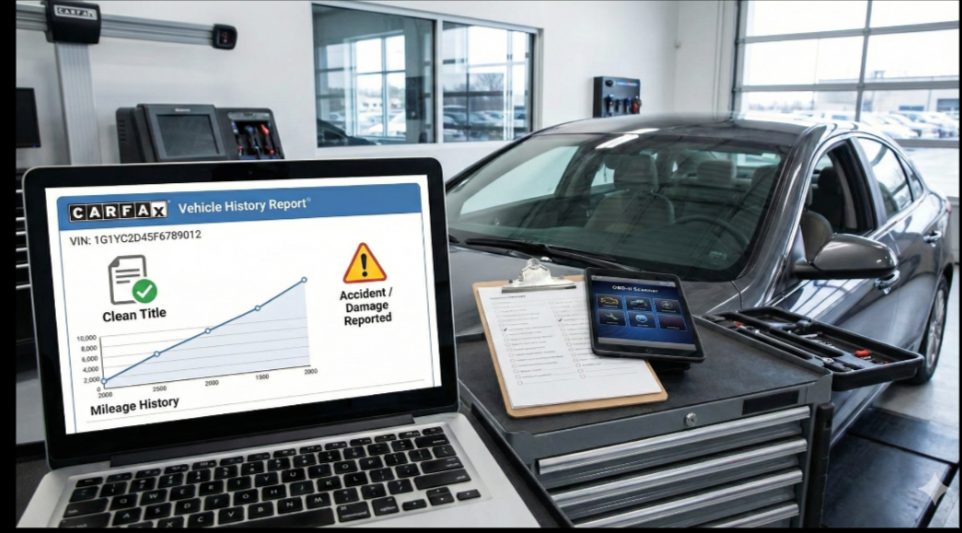
Buying a used car is one of the biggest financial decisions you’ll make, and the stakes are high. You want to know what you’re getting into before you hand over your money. That’s where Carfax reports come in—they’re like a medical record for vehicles, revealing everything from accidents to maintenance history to title issues. But here’s the thing: a Carfax report can be overwhelming if you don’t know what you’re looking at.
I’ve spent years helping people navigate the car-buying process, and I can tell you that understanding your Carfax report is absolutely crucial. It’s not just about spotting red flags; it’s about gaining confidence that you’re making a smart purchase. Let me walk you through what these reports actually tell you and how to read them like a pro.
What Exactly Is a Carfax Report?
Think of a Carfax report as a detailed background check for a vehicle. Carfax compiles information from thousands of sources—insurance companies, auto auctions, service centers, DMVs, and more—to create a comprehensive history of a car’s life on the road.
When you pull a Carfax report, you’re getting data about everything that’s been officially recorded about that vehicle. This includes ownership changes, accidents, service records, title information, and even whether the car has been involved in any recalls. It’s basically a window into the car’s past, and it can save you from making a costly mistake.
That said, it’s important to understand that Carfax reports aren’t perfect. They’re only as good as the information reported to them. Some minor accidents or repairs might slip through the cracks if they weren’t reported to insurance or a major service center. But overall, they’re an incredibly valuable tool.
Decoding the Title Section
The title section is one of the most important parts of any Carfax report, and it’s where you’ll spot some serious red flags.
Clean Title: This is what you want to see. A clean title means the car hasn’t been declared a total loss by an insurance company, salvaged, flooded, or had any major issues recorded with the DMV.
Salvage Title: This is a big one. A salvage title means the car was damaged so severely that the insurance company declared it a total loss. Even if the car was repaired, it will always carry this designation. Many states restrict or don’t allow salvage titled vehicles to be driven on public roads.
Rebuilt Title: A rebuilt title means the car was once salvaged but has since been repaired and inspected to meet safety standards. While it can be driven legally, it significantly impacts the vehicle’s value and insurance costs.
Flood Damage: If water damage is recorded, be very cautious. Flood-damaged cars can have hidden electrical and mechanical problems that show up months later.
Lemon Law Buyback: This indicates the manufacturer bought the car back due to defects. It’s generally a vehicle you should avoid.
Check the title section carefully. If you see anything other than “clean,” you need to understand exactly what happened and consider whether it’s worth the risk.
Understanding Accident History
The accident section is where many buyers get nervous—and for good reason. This is critical information.
When you look at the accident history, you’ll see records of reported accidents, including the severity level. Carfax typically categorizes accidents as “Minor,” “Moderate,” or “Severe” based on the damage reported.
Here’s what I tell people: a single minor accident isn’t necessarily a dealbreaker, especially if the car has been properly repaired. What concerns me more is multiple accidents, a pattern of incidents, or a severe accident that involved structural damage.
Pay attention to whether the car was involved in a side-impact accident or a frontal collision—these can affect different systems. An accident that affected the frame is more serious than one that just damaged the bumper.
Also, try to correlate the accident information with service records. If there’s an accident report but no corresponding repair records in the service history, that’s suspicious. Either the repairs weren’t reported, or they were done off the books.
Digging Into Service Records
Service records are honestly one of my favorite parts of a Carfax report because they tell you how well the previous owner maintained the car.
A vehicle with regular maintenance records is almost always a better buy than one with no service history. Look for evidence of routine oil changes, tire rotations, filter replacements, and other scheduled maintenance. These records show that someone cared for the vehicle.
But pay attention to what you’re reading. If you see major repairs listed—transmission rebuild, engine work, or multiple visits for the same issue—that might indicate underlying problems. It’s normal for older cars to need repairs, but excessive work on the same component is worth investigating.
Also, check where the work was done. Repairs at authorized dealerships and reputable shops are generally more trustworthy than sporadic work at different garages. And if you see extended periods with no service records at all, that’s concerning—it either means the car wasn’t maintained, or maintenance happened somewhere not reported to Carfax.
Checking Ownership History
How many owners has this car had? This is a simpler metric, but it matters.
Generally, fewer owners is better. A car that’s been through five owners in five years raises questions. Why did each person get rid of it? Was something wrong? On the other hand, a car with one or two owners over several years suggests relative stability.
Also look at how long each owner kept the vehicle. Long-term ownership is typically a good sign. Short ownership periods might indicate the previous owner discovered problems and moved on quickly.
Pay attention to whether the car was used as a personal vehicle, rental, fleet vehicle, or taxi. Rental and fleet cars tend to have harder lives and more wear and tear, even if they’ve been maintained. If the report shows a history as a rental or commercial vehicle, factor that into your decision.
Understanding Odometer Records
The odometer reading is straightforward, but mileage is crucial information.
Look at how the mileage progressed over time. In a normal history, you should see steady increases in mileage aligned with reasonable driving patterns. If you see gaps or inconsistencies—like the mileage dropping or jumping unexpectedly—that’s a red flag for odometer fraud, which is illegal and a serious problem.
High mileage isn’t automatically bad. A car that’s been highway-driven with consistent maintenance can be more reliable than one with lower miles driven in stop-and-go traffic. But higher mileage does mean more wear and tear, so factor that into your valuation and decision.
Checking for Recalls
Carfax reports include safety recall information. This tells you whether the vehicle has been subject to any manufacturer recalls and whether those recalls have been addressed.
If you see recalls listed, don’t panic—it just means the manufacturer identified a potential issue. What matters is whether the work has been completed. If recalls haven’t been addressed, you’ll want to get them fixed before you drive the car, or negotiate the cost of repairs with the seller.
Red Flags to Watch For
After reviewing thousands of reports, here are the major red flags that make me advise someone to keep looking:
Multiple accidents: One minor accident, okay. Multiple accidents, especially in a short timeframe, suggest either a poor driver or underlying issues with the car itself.
Salvage or rebuilt title: Unless you’re specifically looking for a project car, avoid these.
Missing service records: A complete absence of maintenance history is suspicious.
Odometer inconsistencies: Potential fraud—walk away.
Severe accident with no corresponding repairs: Either repairs were done under the table, or the car is more damaged than reported.
Flood or water damage: The hidden problems aren’t worth the risk.
Multiple owners in a short time: Something’s wrong if people keep getting rid of it quickly.
What a Carfax Report CAN’T Tell You
It’s equally important to understand what Carfax reports don’t include.
They won’t tell you about minor fender-benders or small accidents that weren’t reported to insurance. They won’t reveal mechanical issues that haven’t required professional repair. They won’t show you cosmetic damage or wear and tear.
This is why a Carfax report should never be your only due diligence. Always get a pre-purchase inspection from an independent mechanic. Have them put the car on a lift, check everything, and give you an honest assessment. That’s worth every penny you spend on it.
A Carfax report is the starting point, not the end point, of your research.
Using Carfax Effectively
When you’re shopping for a used car, pull multiple Carfax reports and compare them. Different vehicles will tell different stories.
If you’re comparing a few cars you’re interested in, use the reports to identify which one has the cleanest history and best maintenance records. Use it to inform your negotiations—if there’s accident history or maintenance gaps, that’s leverage to negotiate a lower price.
If you find accident history or repairs in the report, don’t just take the seller’s word for it. Ask them directly about what happened. Their answers will tell you a lot. Do they have documentation? Are they evasive? Do their explanations match what you see in the report?
You can find affordable Carfax reports online, including through providers offering cheap carfax options that don’t break the bank while still giving you full access to the vehicle history. Check out cheap carfax for accessible reports that fit your budget.
The Bigger Picture
Remember, a Carfax report is a tool designed to protect you. It’s not meant to scare you, but to inform you. Almost every used car will have something in its history—the question is whether those events have been properly addressed and whether you’re comfortable with the vehicle’s background.
The best used car purchases happen when you’ve done your homework. You’ve read the Carfax report, understood what it means, spotted any concerns, and had a trusted mechanic inspect the vehicle. Only then do you move forward.
When shopping around for reports, don’t let cost be the only factor. You want a comprehensive report that gives you all the details you need to make a confident decision. Many people look for cheap carfax reports, but what matters most is getting accurate, complete information about the car you’re considering.
Final Thoughts
Interpreting a Carfax report isn’t rocket science once you know what to look for. Focus on the title status, accident history, service records, and ownership history. Use it alongside a professional inspection, and you’ll have a much clearer picture of what you’re buying.
Trust the data, ask the right questions, and don’t rush. The right car is out there, and taking time to verify its history is an investment in peace of mind. Your future self—the one driving a reliable vehicle without unexpected repair bills—will thank you for doing this work upfront.
Happy car hunting!