

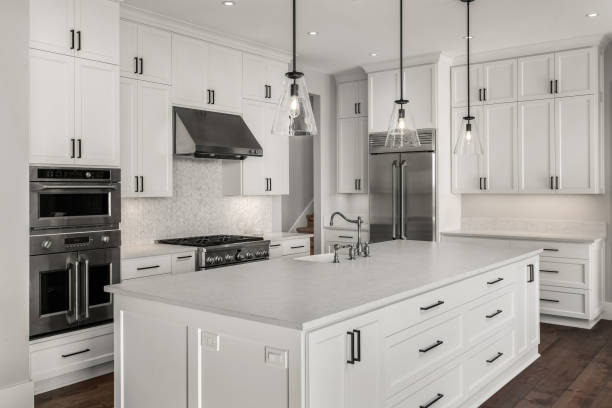
Designing a kitchen is exciting, but it can also feel like a big task. You have storage, countertops, and flooring to think about, and then comes the challenge of making everything work together. A kitchen that looks balanced feels cozy and complete. But when the pieces don’t match, the whole space can look off and unfinished.
This guide breaks down how to connect your storage with your countertops and flooring in a simple way. If you’re working with cabinet companies in Columbus or considering custom cabinets for your project, these tips will help you create a space that feels both practical and stylish.
Why Balance Matters in Kitchen Design
The kitchen isn’t just a spot to cook. It’s where people gather, where homework gets done, and where conversations happen. That’s why the design has to flow naturally.
Storage sets the base. Countertops add personality. Flooring ties everything together. If one element feels out of place, the balance disappears. Great design is about harmony—colors, textures, and how it all functions in real life.
Step 1: Start with Kitchen Storage
Choose the Right Type of Cabinets
Before you even think about colors or finishes, you need to pick the type of cabinets that work best.
- Stock cabinets – Affordable, ready to install, but limited in size and design.
- Semi-custom cabinets – A mix of flexibility and affordability, with more finish and size choices.
- Custom cabinets – Made to order, giving you full control over design, size, and layout.
Working with trusted cabinet companies in Columbus helps you sort through these options and choose what’s best for your space.
Think About Style and Finish
Cabinets shape the entire look of your kitchen. Light tones like white or cream create an airy, open feel. Dark woods like espresso or walnut bring warmth and depth. Painted cabinets in muted shades of blue or green can add a modern, fresh touch.
Always think about how your cabinet finish will sit next to your countertops and flooring.
Step 2: Match Countertops to Cabinets
Countertops are one of the most noticeable parts of a kitchen. They need to complement the cabinets instead of competing with them.
Matching Colors
- Light cabinets + dark countertops create contrast and make the cabinets stand out.
- Dark cabinets + light countertops brighten the room and prevent it from looking too heavy.
- Neutral cabinets + patterned countertops work well if you want the counters to be the main focal point.
Matching Materials
- Quartz – Durable and versatile, perfect for different styles.
- Granite – Rich with natural patterns, ideal for rustic or earthy looks.
- Marble – Sophisticated but high maintenance, pairs beautifully with custom cabinets in Columbus for luxury designs.
When meeting with cabinet companies, ask for samples so you can place them side by side with countertop swatches.
Step 3: Coordinate Flooring with Storage and Countertops
Flooring gets overlooked sometimes, but it has a huge role in tying the whole room together. It also takes the most wear and tear.
Wood Flooring
Wood or wood-look flooring works well with both light and dark cabinets. White cabinets look great with warm oak, while darker cabinets shine against lighter wood tones.
Tile Flooring
Tiles come in endless options—ceramic, porcelain, or stone. Soft shades like gray or beige are safe, but if your cabinets and counters are simple, patterned tiles can bring character.
Vinyl and Laminate Flooring
These are budget-friendly and available in designs that mimic natural materials. They’re practical, stylish, and easy to maintain.
Step 4: Balance Colors Across the Room
Too much of one shade can make the space feel flat. Mixing light, dark, and neutral tones keeps the room balanced.
The 60-30-10 Rule
- 60% main color – Usually the cabinets.
- 30% secondary color – Often the countertops or flooring.
- 10% accent color – Hardware, backsplashes, or light fixtures.
Examples
- White cabinets (60%) + gray counters (30%) + brass pulls (10%).
- Dark walnut cabinets (60%) + light quartz counters (30%) + patterned backsplash (10%).
This simple trick makes your design feel put together without stress.
Step 5: Mix Textures and Finishes
Colors matter, but texture changes the mood of the kitchen.
- Glossy cabinets reflect light and fit modern spaces.
- Matte finishes create a softer, natural feel.
- Textured countertops, like leathered granite, add depth.
- Smooth flooring makes cleaning easier.
When mixing finishes, aim for balance so nothing feels too heavy.
Step 6: Pay Attention to the Small Details
The little touches can pull the whole design together.
Cabinet Hardware
Handles and knobs may look small, but they set the tone. Brushed nickel feels sleek. Bronze gives a warm, classic vibe.
Backsplashes
A backsplash acts as the bridge between cabinets and countertops. Subway tiles are timeless, while mosaics bring personality.
Lighting
Good lighting highlights your design choices. Pendant lights above an island or under-cabinet lighting add warmth and depth.
Step 7: Work with Professionals
Designing a kitchen involves many decisions. Experienced cabinet companies in Columbus can save you from costly mistakes.
- They bring design expertise.
- They give you real samples to compare.
- They help create custom cabinets that fit perfectly.
Working with pros makes sure your kitchen looks great and works well for everyday life.
Common Mistakes to Avoid
Even with the best plans, it’s easy to go off track. Keep an eye out for these:
- Too much contrast—black cabinets, white counters, and bold flooring can feel chaotic.
- Ignoring natural light—dark tones in a room with little sunlight can feel heavy.
- Mixing too many patterns—strong veining on counters and bold flooring clash easily.
- Choosing looks over function—some materials look great but aren’t practical for daily use.
Final Thoughts
Your kitchen should feel like the heart of your home. Matching storage with countertops and flooring isn’t about making everything the same. It’s about balance—using colors, textures, and finishes that work together.
If you go with ready-made cabinets or decide on custom cabinets, the goal is to create harmony. Partnering with skilled cabinet companies in Columbus gives you the advice and quality needed to make that happen.
With the right mix of storage, counters, and flooring, you’ll have a kitchen that looks beautiful and feels welcoming for years.
FAQs
Q1: Should cabinets be lighter or darker than countertops?
It depends on the look you want. Lighter cabinets with darker countertops create contrast, while darker cabinets with lighter counters brighten the space.
Q2: What flooring works best with white cabinets?
Warm wood tones or neutral tiles pair well with white cabinets. They keep the kitchen balanced and cozy.
Q3: Are custom cabinets worth it?
Yes, if you want cabinets designed for your exact space. Custom cabinets offer full control over style, size, and layout.
Q4: Can I mix wood cabinets with stone countertops?
Absolutely. Wood cabinets and stone counters work well together, as long as the tones complement each other.
Q5: How do I avoid making my kitchen look too busy?
Limit patterns. If your countertop has strong veining, go with simple flooring and a subtle backsplash.