

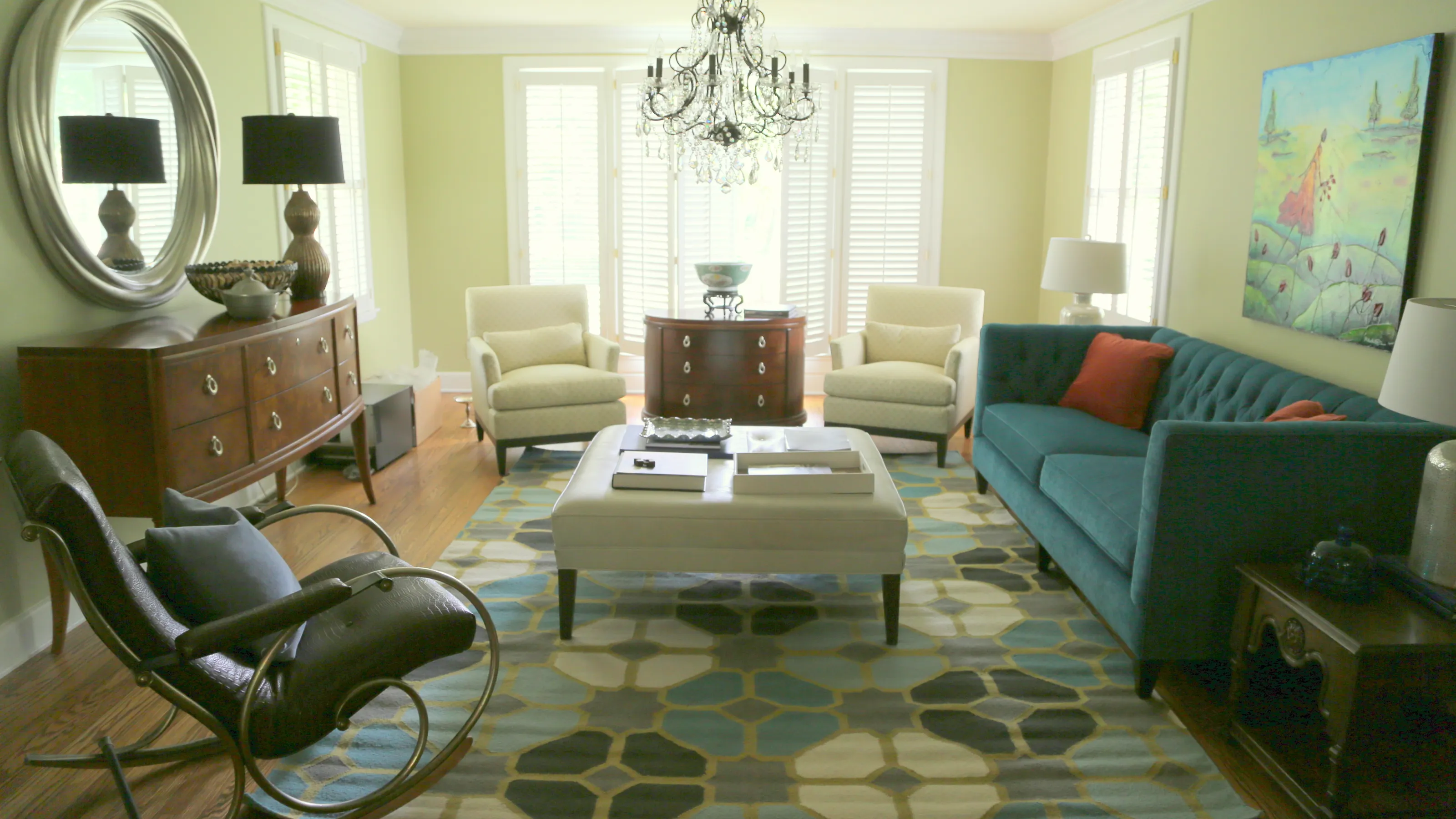
So you’ve got a sofa. Maybe it’s brand new. Maybe it’s been around for a while, and you’re just now noticing it doesn’t go with anything else. Either way, you’re here because something feels a bit off. Like the room isn’t talking to itself properly. That’s fair. It happens.
Here’s how to fix that without doing anything too complicated.
Let the Sofa Lead
The sofa is probably the biggest piece in the room. It sets the mood. If it’s neutral, you’ve got more flexibility. If it’s loud — a bold colour, a quirky shape — then the rest of the furniture has to calm down a bit. You don’t want every piece shouting for attention.
Look at it and ask, “Is this soft and cosy?” “Is this sharp and modern?” “Does it lean traditional?” Then go from there. The goal is not to match it, but not to clash with it.
Don’t Buy in Sets
Buying everything in a set might feel easy, but the room ends up looking flat. Too perfect. No personality. Homes look better when things feel collected over time, even if they weren’t. You want pieces that look like they have a reason to be together, not because they came as a package deal, but because they belong.
Mixing works. You just need one thing that ties everything in.
Use Colour the Right Way
If the sofa’s grey, beige, or cream — great. You can build around it with pretty much anything. But don’t go wild. Pick two or three tones and keep coming back to them. If your sofa is charcoal, maybe layer in tan wood, off-white cushions, and a dark green accent.
And repeat those choices in small ways: a photo frame, a lamp, a vase. That’s what makes the room feel pulled together without trying too hard.
Balance Shapes and Sizes
A chunky sofa? Don’t pair it with a skinny little coffee table. A delicate sofa? Avoid bulky side tables. It’s all about balance. If your sofa is low and wide, don’t place tall furniture right next to it. Spread the heights across the room.
Look at the room like a group of people. No one should be sticking out awkwardly. If something looks like the odd one out, it probably is.
Mix Materials, But Gently
All-wood? Feels too heavy. All-metal? Might feel cold. All-glass? Not really practical.
You want a bit of a mix. A fabric sofa with a wood table. A leather armchair near a rattan pouffe. Maybe a metal floor lamp. It adds layers. Just don’t throw in everything at once. Stick to a few core textures and repeat them in different corners.
Rugs Can Save You
Sometimes things look disconnected just because there’s no anchor. A big rug under the sofa and the centre table brings everything into the same space. Even if your furniture isn’t a perfect match, a rug makes it feel like it’s meant to be there.
Keep the rug in proportion to your furniture. Too small, and it chops the room up. Too big, and it swallows everything.
Don’t Forget Soft Stuff
Cushions, throws, curtains — they’re not just extras. They’re the glue. A sofa with two mismatched chairs can look like chaos, or it can look intentional, depending on the cushions and fabric choices you make. Keep textures varied, and let the colours echo things already in the room.
It’s the easiest way to connect pieces that might not naturally go together.
Leave Space
Not just what you put in the room, but what you leave out. If everything’s squeezed in and fighting for attention, no amount of coordination will help. Let your sofa breathe. Give the other pieces their own little space. Sometimes the best design choice is knowing when to stop.
And remember, not everything has to be bought all at once. Browsing furniture online lets you take your time, mix styles, and slowly build a space that actually reflects you, not just what was on sale in a store that day.
Go With Your Gut
Seriously. If you stand in your living room and something bugs you, that’s your clue. Shift it around. Try something new. Take away that extra cushion or switch the position of a chair. You’ll know when it feels better. Don’t overthink it.