

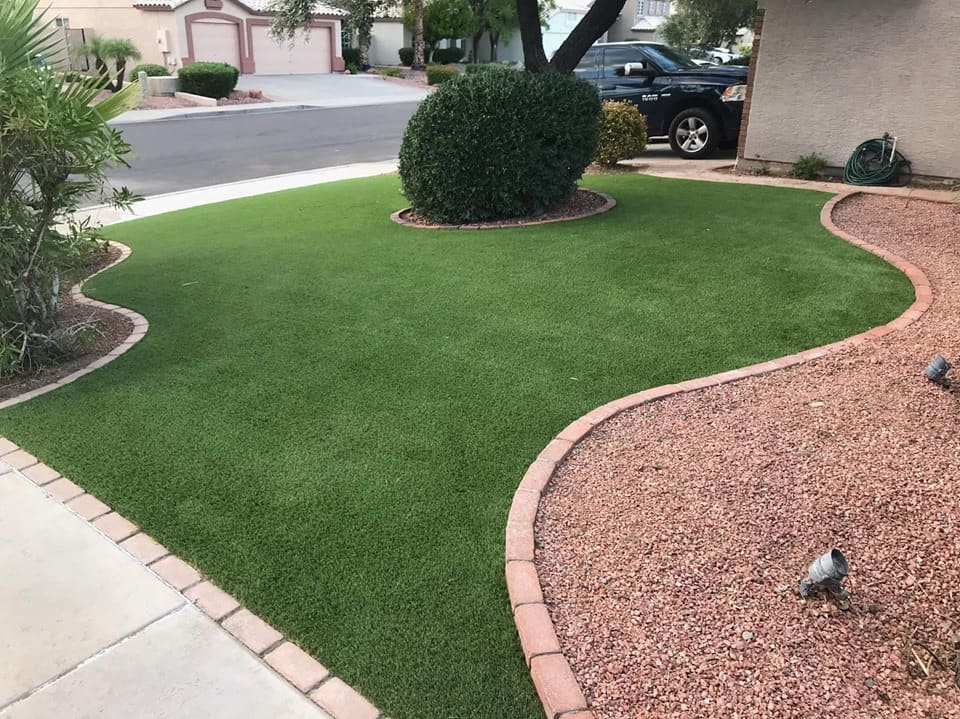
Artificial grass has become a game-changer in landscaping, offering all the beauty of a lush green lawn without the hassle of constant upkeep. Whether you’re working with a small backyard, a family garden, or a bustling commercial space, artificial lawns can bring both practicality and style to any outdoor area. And when it comes to choosing the right brand, Titan Turf has established itself as a leader in quality and innovation.
This guide will walk you through the steps of planning, installing, and maintaining your artificial lawn, ensuring a flawless and natural-looking finish.
Planning Your Artificial Grass Installation
Assessing Your Space
Start by taking a good look at your outdoor area. Measure the dimensions of your space accurately, as this will help you order the right amount of artificial grass. Don’t forget to consider existing features like pathways, garden beds, or slopes, and make note of any necessary preparations, such as removing old grass or smoothing out uneven terrain.
Choosing the Right Artificial Grass
Not all artificial grass is created equal. When picking the best option for your project, consider specific factors:
- Pile height: Shorter piles work well for high-traffic areas, while taller piles offer a more natural, lush appearance.
- Density: Thicker grass feels softer and more robust underfoot.
- Color: Blades come in various shades to mimic real grass. Opt for colors that blend well with your overall landscaping design.
With numerous options in the market, Titan Turf stands out for its realistic textures, durability, and eco-friendly options, making it an excellent choice for your artificial lawn.
Preparing the Area
Clearing the Area
Preparation is key to a successful installation. Begin by removing any existing grass, plants, roots, or debris. A clean, even surface provides the perfect foundation for your artificial lawn.
Creating a Solid Base
Next, lay a base of crushed stone or gravel. Spread it evenly across the area you’re working on and compact it thoroughly using a roller or tamper. This step ensures drainage while creating a sturdy surface that prevents unevenness or sagging over time.
Installing Artificial Grass
Laying the Turf
Once your base is ready, roll out the artificial grass over the area. Position it carefully to minimize seams and achieve a natural flow. Use a utility knife to cut and shape the edges around corners, pathways, or garden fixtures.
Securing the Edges
To prevent your artificial lawn from shifting, secure the edges using landscape staples or adhesives. Work around the perimeter, ensuring the grass stays firmly in place.
Infilling and Grooming
Spread an infill material, such as silica sand, evenly across the turf. This helps weigh the grass down, protects the fibers, and enhances the overall look. After infilling, brush the grass fibers lightly with a soft-bristled broom to plump them up and add a finishing touch.
Maintenance and Care
Artificial lawns are low-maintenance, but a little care goes a long way in keeping them looking fresh.
Regular Cleaning
Remove leaves, dirt, and debris using a leaf blower or a rake. Occasional rinsing with water can also help remove dust and refresh the turf.
Addressing Wear and Tear
Inspect your lawn for any signs of wear, such as wrinkles or frayed edges. Repairs or replacements can be done quickly to restore the original appearance.
Brushing the Grass
To prevent the fibers from matting, periodically brush the turf against the natural grain. This maintains a soft, lifelike look and keeps your artificial lawn looking as good as new.
Conclusion
An artificial lawn provides the perfect solution for beautiful, hassle-free landscaping, whether you’re focused on saving water, reducing maintenance, or creating a family-friendly outdoor environment. With its innovative design and superior quality, Titan Turf ensures your lawn stays vibrant and durable for years to come.