

Lower back pain is one of the most common complaints among office workers today. Hours of sitting at a desk, poor posture, and unsupportive chairs can quickly lead to chronic discomfort. The good news is that the right office chair can make a world of difference. By offering proper lumbar support, adjustable features, and ergonomic design, the best chair can relieve pain and even prevent future issues.
If you’re searching for the best office chair for lower back pain relief, this guide will help you understand the most important features to consider. We’ll also explore how alternative seating like a posture chair and complementary setups such as a standing desk for treadmill can work together to create a healthier workspace.
Why the Right Chair Matters for Lower Back Pain
Your lower back, or lumbar region, bears much of your body’s weight while sitting. Without proper support, pressure builds on your discs and muscles, causing pain and stiffness. A poorly designed chair can worsen the problem by encouraging slouching or awkward angles.
On the other hand, an ergonomic chair with the right adjustments ensures that your spine maintains its natural curve, reducing pressure and promoting comfort.
Key Features to Look For in an Office Chair
1. Lumbar Support
The most critical feature for lower back pain relief is built-in lumbar support. The chair should support the inward curve of your spine, preventing slouching and minimizing strain. Some chairs offer adjustable lumbar pads so you can fine-tune the support to your body.
2. Adjustability
Everyone’s body is different, which makes adjustability essential. Look for a chair with adjustable seat height, armrests, and backrest tilt. This ensures you can find a position that keeps your feet flat on the floor, your knees at a 90-degree angle, and your spine aligned.
3. Seat Depth and Cushioning
A seat that’s too deep can force you to lean forward, straining your back. Ideally, there should be about two to three inches between the edge of the chair and the back of your knees. A cushioned seat with breathable fabric also ensures comfort during long hours.
4. Recline and Tilt Mechanism
A slight recline (100–110 degrees) relieves pressure on the lower spine. A good tilt mechanism allows you to move while seated, preventing stiffness and encouraging circulation.
5. Durability and Build Quality
Investing in a high-quality chair may cost more upfront, but it pays off in durability and consistent support. Cheaper chairs often lose cushioning and structure quickly, leading to renewed pain.
Posture Chairs as an Alternative
While traditional ergonomic office chairs are popular, some people find even greater relief from a posture chair. Designed specifically to encourage correct spinal alignment, posture chairs help you sit upright and engage your core muscles.
Some posture chairs, like kneeling chairs, shift part of your weight to your shins, reducing pressure on the lower back. Others focus on lumbar support and upright positioning. They may not offer the plush comfort of a typical office chair, but they can be very effective for those with chronic back pain.
Standing Desk for Treadmill: A Complementary Solution
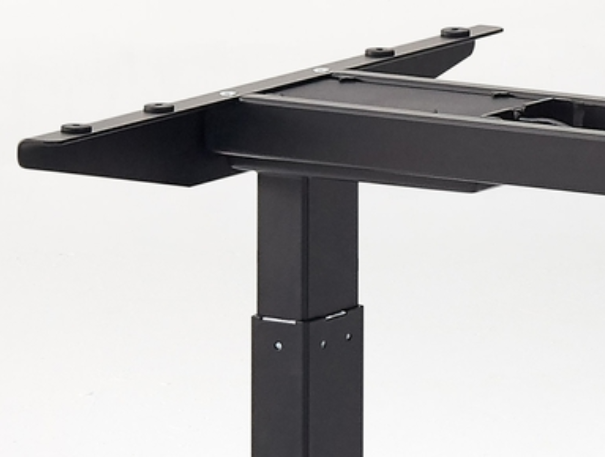
Even the best office chair can’t eliminate the problems caused by sitting too long. Movement is essential for a healthy spine. This is where a standing desk for treadmill comes in. By alternating between sitting, standing, and walking during your workday, you reduce pressure on your back and improve circulation.
Pairing your ergonomic chair or posture chair with a treadmill desk ensures you’re not confined to one position for hours at a time. This dynamic approach helps prevent pain, boosts energy, and keeps your body active.
Creating a Balanced Workspace
The key to long-term relief is variety and balance. Here’s how you can combine different tools for the best results:
- Use a high-quality ergonomic office chair with lumbar support as your primary seat.
- Switch to a posture chair for tasks that require focus and to strengthen your posture habits.
- Integrate a standing desk for treadmill to add movement and reduce sedentary time.
- Take regular breaks to stretch and walk around, even if just for a few minutes every hour.
This combination allows you to protect your lower back while supporting your overall health and productivity.
Final Thoughts
Choosing the best office chair for lower back pain isn’t just about comfort—it’s about protecting your health. Look for chairs with proper lumbar support, adjustability, and ergonomic design. For additional benefits, consider alternatives like a posture chair or combine your seating with a standing desk for treadmill to keep your body moving.
In the end, the right setup will reduce pain, improve posture, and make your workday far more enjoyable. An investment in your chair is an investment in your long-term well-being.