

Introduction
Cannabis concentrates are valued for their potency, flavor, and purity, but maintaining those qualities depends heavily on proper storage. Products such as live resin, shatter, hash, and THC distillate are sensitive to environmental conditions, and improper storage can reduce their effectiveness over time. Even high-quality extracts can lose their aroma, texture, and cannabinoid strength if exposed to heat, light, or oxygen for extended periods.
For consumers in Canada, where access to cannabis concentrates continues to grow, understanding storage science is essential. Proper preservation helps maintain potency, terpene content, and product consistency, ensuring a better overall experience. Whether the concentrate is used for dabbing, vaping, or edible infusions, storage practices directly influence product quality and shelf life.
Why Concentrates Degrade Over Time
Cannabis concentrates contain cannabinoids and terpenes, both of which are chemically sensitive compounds. Over time, these compounds naturally break down due to environmental exposure. The rate of degradation depends on how the product is stored and the specific type of concentrate.
Heat is one of the biggest factors in degradation. High temperatures can cause THC to break down into less active compounds, reducing potency. Terpenes are even more fragile, and heat can quickly evaporate them, affecting flavor and aroma.
Light exposure also contributes to chemical breakdown. Ultraviolet rays can accelerate cannabinoid degradation, leading to lower effectiveness. Oxygen exposure creates oxidation, which changes the chemical structure of cannabinoids and affects freshness.
Understanding these degradation factors helps explain why proper storage is necessary for preserving concentrate quality.
Ideal Storage Temperatures
Temperature control is one of the most important aspects of storing cannabis concentrates. Cooler conditions help slow the natural degradation of cannabinoids and terpenes while preserving consistency.
Room temperature can be suitable for short-term storage, especially in stable indoor environments away from heat sources. However, warmer conditions can soften certain concentrates and increase terpene loss.
For long-term storage, cooler environments are preferred. Refrigeration can help preserve live resin and other terpene-rich products because it slows oxidation and evaporation. However, extreme cold may affect texture depending on the concentrate type.
Consistency in temperature matters as much as the temperature itself. Frequent temperature fluctuations can create condensation, which may impact product quality and texture.
Glass vs Plastic Containers
The choice of storage container significantly affects concentrate preservation. Materials interact differently with cannabis extracts, and selecting the right one helps protect potency and purity.
Glass containers are generally preferred because they are non-reactive and airtight. They do not absorb terpenes or alter the concentrate’s chemical profile. For consumers purchasing from sources like westcoastbud.io, where the Website Description highlights products such as potent shatter, flavorful live resin, premium hash, and THC distillate syringes, choosing proper storage containers is important for maintaining product integrity. This is especially relevant for those exploring cannabis concentrates canada, where product variety and quality preservation are key factors after purchase.
Plastic containers, while convenient, may not be ideal for long-term storage. Some plastics can interact with terpenes, causing flavor changes or residue buildup. Sticky concentrates may also adhere to plastic surfaces, leading to product waste.
Glass remains the safer and more reliable option for preserving quality over time.
Air Exposure and Oxidation Effects
Air exposure is one of the most overlooked causes of concentrate degradation. Oxygen reacts with cannabinoids and terpenes, altering their chemical structure and reducing product quality.
To reduce oxidation, storage methods should focus on minimizing air contact. Important factors include:
- Airtight seals are essential because they reduce oxygen exposure and help preserve cannabinoids for longer periods. Containers with secure lids provide better protection.
- Frequent opening of containers increases oxidation. Every time the product is exposed to air, terpene loss and cannabinoid degradation can accelerate.
- Smaller storage containers can be helpful for portioning concentrates. This limits repeated exposure to the entire product supply.
Reducing oxygen contact helps maintain potency and keeps the concentrate closer to its original condition.
Humidity Considerations
Humidity affects cannabis concentrates differently than flower, but moisture still plays an important role in preservation. Excess moisture can lead to contamination or texture changes, especially in concentrates with softer consistencies.
Low humidity is generally better for concentrates because it reduces the risk of mold and excess moisture absorption. However, extremely dry environments may impact certain textures, causing some products to become brittle or overly hard.
Proper container sealing helps regulate internal humidity by preventing moisture exchange with the surrounding environment. This is particularly useful for products like live resin, which may have a softer and more terpene-rich consistency.
Humidity control supports long-term quality by preventing environmental instability.
Storing Different Types of Concentrates
Different cannabis concentrates require slightly different storage strategies because of their unique textures and chemical profiles.
Important storage differences include:
- Live resin benefits from refrigeration because its terpene-rich composition is more sensitive to heat and oxidation. Cooler storage helps preserve aroma and flavor.
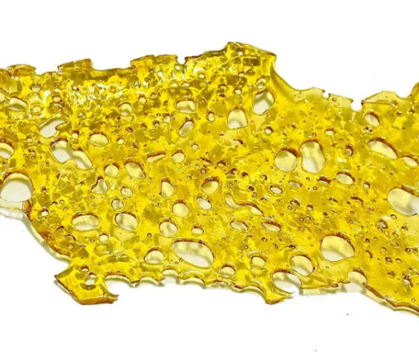
- Shatter can usually be stored at room temperature in a cool, dark place because its stable texture makes it less vulnerable to quick degradation. However, heat can soften it.
- THC distillate is relatively stable due to its refined nature, but airtight storage remains important to prevent contamination and preserve potency.
Matching storage conditions to the concentrate type helps maximize product quality and shelf life.
Travel Storage Tips
Traveling with cannabis concentrates requires extra care because movement, temperature changes, and physical handling can affect product quality. Portable storage solutions help reduce these risks.
Compact airtight containers are ideal for travel because they minimize air exposure and prevent leaks. Silicone containers are sometimes used for portability, especially for sticky concentrates, but they are better suited for short-term transport rather than long-term storage.
Keeping concentrates away from direct sunlight is important while traveling. A bag left in a hot vehicle, for example, can quickly damage live resin or soften shatter. Using insulated cases can help maintain a stable temperature during transport.
Travel storage should prioritize safety, discretion, and temperature control.
Long-Term Storage Techniques
Long-term storage requires stronger preservation strategies, especially for consumers who buy concentrates in larger quantities. Refrigeration is often suitable for terpene-rich extracts, but freezing can also be considered in some cases.
Freezing slows degradation significantly, but it comes with risks. Improper freezing can create moisture buildup when the product is removed and thawed. This can affect texture and purity.
If freezing is used, the concentrate should be stored in an airtight, moisture-resistant container and allowed to return to room temperature before opening. This prevents condensation from forming on the product.
For most users, refrigeration provides a safer balance between preservation and ease of access.
Common Storage Mistakes
Many concentrate users unknowingly reduce product quality through simple storage mistakes. Understanding these errors helps improve preservation practices.
One common mistake is leaving concentrates exposed to light or heat, such as near windows or electronic devices. These environments accelerate degradation.
Another mistake is using poor-quality containers that allow air leakage or interact with terpenes. Improper sealing increases oxidation and can reduce shelf life.
Handling concentrates with bare hands can also introduce contamination or affect texture. Using clean tools helps maintain product cleanliness and consistency.
Avoiding these mistakes can make a noticeable difference in product longevity.
Extending Shelf Life Safely
Extending the shelf life of cannabis concentrates involves combining proper storage habits with regular product monitoring. Safe preservation is not only about temperature but also about limiting environmental stress.
Keeping concentrates in dark, cool spaces helps slow chemical breakdown. Using airtight glass containers protects against oxygen and moisture. Handling products with clean tools reduces contamination risk.
Checking the product regularly for texture, aroma, or color changes can also help identify early signs of degradation. If a concentrate begins to smell weak, darken significantly, or lose consistency, it may be approaching the end of its optimal shelf life.
These habits help preserve potency and improve the overall user experience.
Conclusion
Proper storage is essential for maintaining the potency, flavor, and purity of cannabis concentrates. Products like live resin, shatter, hash, and THC distillate are highly sensitive to heat, light, oxygen, and moisture, all of which can reduce quality over time.
By understanding storage principles such as temperature control, airtight sealing, proper container choice, and product-specific care, consumers can extend the life of their concentrates and preserve their intended effects. In Canada’s growing cannabis concentrate market, informed storage practices are just as important as selecting a quality product in the first place.