

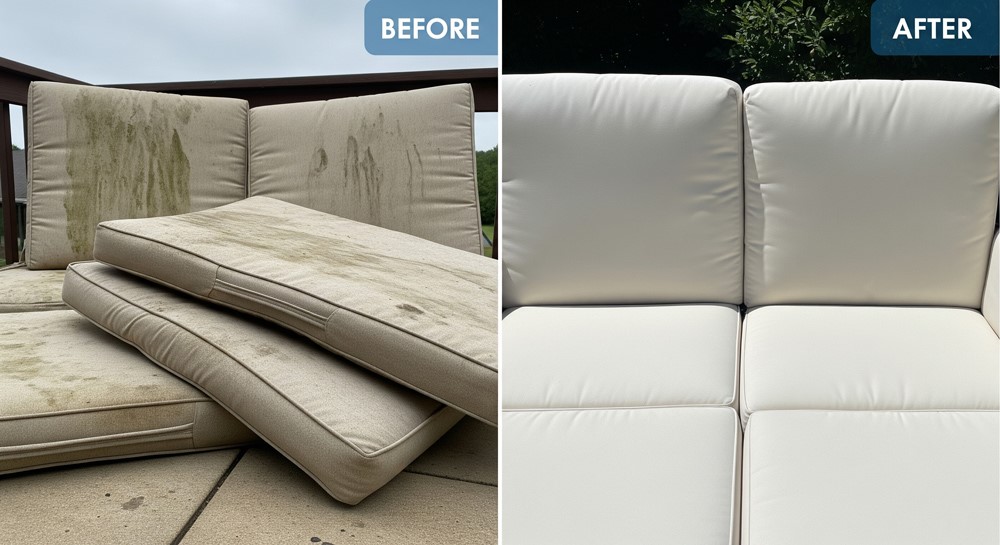
I’ll be honest – when I first started hosting backyard barbecues and outdoor gatherings, I completely underestimated how dirty patio cushions could get. After one particularly memorable pool party where someone spilled red wine on my favorite outdoor bench cushion, I realized I needed to learn the proper way to clean these essential pieces of outdoor furniture. Over the years, I’ve tried countless methods, made plenty of mistakes, and finally figured out what actually works.
Maintaining clean patio cushions isn’t just about aesthetics – it’s about protecting your investment and ensuring your outdoor space remains inviting for family and friends. Whether you’re dealing with everyday dirt accumulation, stubborn stains, or seasonal deep cleaning, having the right approach can extend the life of your cushions significantly. For those investing in quality outdoor furniture like premium outdoor bench cushions, proper care becomes even more crucial to maintain their appearance and durability over time.
Understanding Your Cushion Materials: The Foundation of Proper Care
Before diving into any cleaning routine, you absolutely must understand what type of material you’re working with. This might seem obvious, but I’ve seen too many people ruin perfectly good cushions by using the wrong cleaning method. Most outdoor cushions fall into several categories, each requiring different approaches.
Polyester and acrylic fabrics are probably the most common materials you’ll encounter. These synthetic fabrics are generally water-resistant and can handle more aggressive cleaning methods. However, even within these categories, there’s variation – some have special coatings or treatments that can be damaged by certain cleaning products.
Canvas and cotton blends require more delicate handling. While they’re often treated for outdoor use, they can shrink, fade, or lose their water-resistant properties if cleaned improperly. Natural fiber cushions like those made from hemp or linen need even more careful attention.
Vinyl and plastic-coated materials are the easiest to clean but can crack or become brittle if exposed to harsh chemicals or extreme temperatures during the cleaning process. Always check the manufacturer’s label – it’s your best friend when determining the appropriate cleaning method.
Essential Tools and Supplies: Building Your Cleaning Arsenal
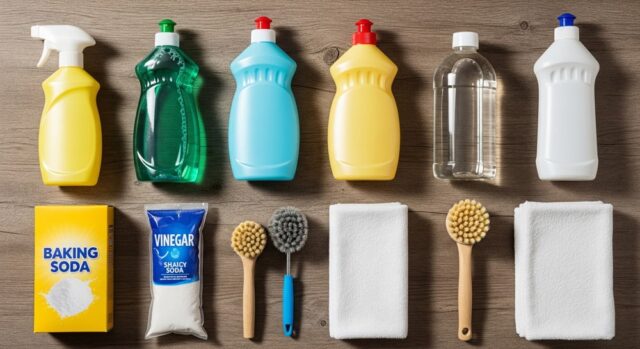
Having the right tools makes all the difference between a frustrating cleaning experience and an efficient one. I’ve learned this the hard way after trying to scrub cushions with inadequate equipment. Here’s what you’ll actually need:
Start with a vacuum cleaner with upholstery attachments. This is non-negotiable for proper cushion maintenance. A shop vacuum works even better if you have one, especially for those really embedded particles that seem to hide in every crevice.
For cleaning solutions, mild dish soap remains my go-to for most situations. Avoid anything too harsh – I once used a degreaser that seemed logical for outdoor grime but ended up fading the fabric. Specialized upholstery cleaners work well, but honestly, a quality dish soap mixed with water handles 90% of cleaning situations.
Soft-bristled brushes are essential. I keep several sizes on hand – a larger brush for general cleaning and smaller ones for detailed work around seams and corners. Microfiber cloths are invaluable for both applying cleaning solutions and final drying.
The Step-by-Step Cleaning Process: From Start to Finish
I’ve refined this process through years of trial and error, and it’s served me well across different cushion types and stain levels. The key is patience – rushing through any step usually means you’ll have to repeat the entire process.
Begin by removing cushions from their frames and taking them to an appropriate cleaning area. Your driveway or patio works well, but avoid areas where runoff might damage plants or stain concrete. Remove any removable covers if possible – this makes the process much more manageable.
Vacuum thoroughly, paying special attention to seams and crevices where debris accumulates. This step is more important than most people realize. Skipping it means you’ll just be grinding dirt deeper into the fabric during washing.
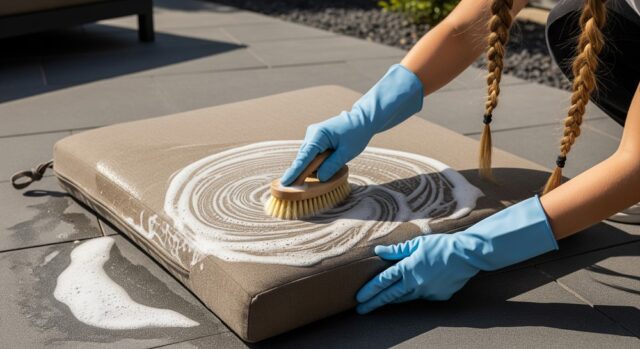
For the actual washing, I prefer working in sections rather than trying to clean entire cushions at once. Mix your cleaning solution – typically one tablespoon of mild dish soap per cup of warm water works well. Test this mixture on an inconspicuous area first, especially if you’re dealing with new or expensive cushions.
Apply the solution with a spray bottle or by dipping your brush directly into it. Work in circular motions, overlapping your strokes to ensure even coverage. Don’t oversaturate – you want the fabric damp, not soaking wet. Excess moisture can lead to mold problems later.
Tackling Stubborn Stains: Specialized Techniques That Actually Work
Some stains require more aggressive approaches, and I’ve developed specific techniques for the most common culprits. Food stains, particularly those involving oils or proteins, need immediate attention. The longer they sit, the more they’ll set into the fabric fibers.
For grease stains, I start with cornstarch or baking soda to absorb as much oil as possible. Let it sit for at least 30 minutes, then vacuum it up before proceeding with regular cleaning. This preliminary step makes a huge difference in the final result.
Mildew and mold require a different approach entirely. Mix one part white vinegar with one part water and apply it to affected areas. The acetic acid in vinegar effectively kills mold spores without damaging most outdoor fabrics. However, always test this solution first – some fabrics may discolor.
Red wine, coffee, and similar tannin stains respond well to a mixture of hydrogen peroxide and dish soap. Apply it carefully and avoid letting it sit too long, as hydrogen peroxide can bleach certain fabrics. I learned this lesson when I accidentally created a lighter spot on a navy blue cushion.
Tree sap and bird droppings require patience more than anything else. For sap, try freezing it with ice cubes first – this makes it brittle and easier to scrape off gently. Bird droppings should be allowed to dry completely before removal; trying to clean them while wet just spreads the stain.
Drying Techniques: Preventing Damage and Ensuring Longevity
Proper drying is where many people go wrong, and it’s arguably as important as the cleaning process itself. I’ve seen perfectly cleaned cushions develop mold issues because they weren’t dried correctly.
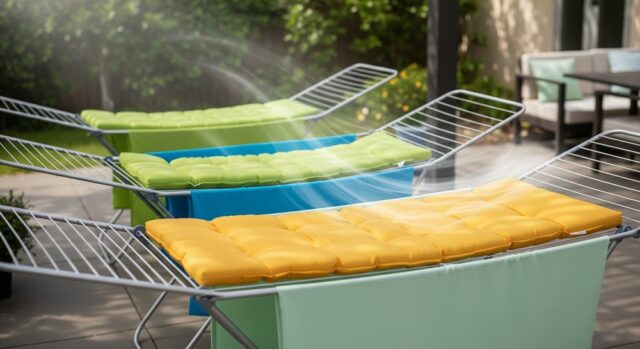
Air drying is almost always your best option. Position cushions in a well-ventilated area with good airflow. If possible, elevate them slightly to allow air circulation underneath. I use old milk crates or sawhorses for this purpose.
Avoid direct sunlight for extended periods, especially with darker fabrics. While some sun exposure can help kill bacteria and remove odors, too much can cause fading or make certain synthetic materials brittle. A covered porch or shaded area with good airflow works perfectly.
Never put outdoor cushions in a standard dryer unless the manufacturer specifically states it’s safe. The high heat can melt synthetic fibers, shrink natural ones, or damage water-resistant coatings. If you must speed up the drying process, use fans to increase air circulation.
Seasonal Maintenance: Keeping Ahead of Problems
Regular maintenance prevents the need for intensive deep cleaning sessions. I’ve found that establishing a seasonal routine saves time and extends cushion life significantly.
During active outdoor season, vacuum cushions weekly and spot-clean spills immediately. This prevents dirt from becoming embedded and stains from setting. A quick weekly maintenance routine takes maybe 15 minutes but prevents hours of deep cleaning later.
Before winter storage, clean cushions thoroughly and ensure they’re completely dry. Storing damp cushions is asking for mold problems. I also recommend storing them in breathable containers or bags – plastic bags can trap moisture and create perfect conditions for mildew growth.
Spring preparation involves inspecting for winter damage, airing out stored cushions, and doing a thorough cleaning before the outdoor season begins. This is also an excellent time to apply fabric protectors if your cushions would benefit from them.
When to Replace vs. Restore: Making Smart Decisions
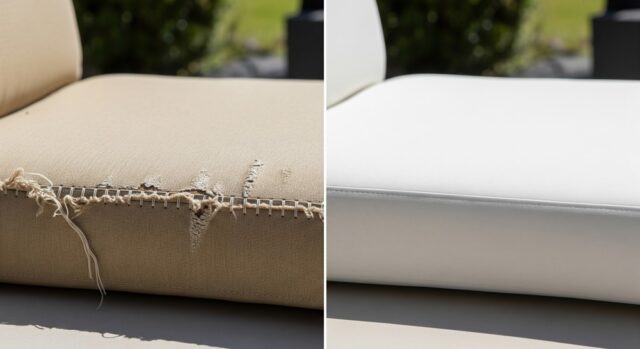
Sometimes cleaning isn’t enough, and recognizing when replacement makes more sense than restoration saves time and money. Cushions with significant structural damage, extensive mold contamination, or severe fading might be beyond salvaging.
However, don’t give up too quickly. I’ve rescued cushions that looked hopeless with persistent effort and the right techniques. If the foam core is still intact and the fabric isn’t completely degraded, restoration is usually possible.
Consider reupholstering options for cushions with damaged covers but good foam cores. This can be cost-effective for high-quality cushions and allows you to update colors or patterns while maintaining the comfort and fit you’re used to.
Professional Tips for Long-Term Success
After years of maintaining outdoor cushions, I’ve picked up several tricks that make a real difference. Rotating cushions regularly prevents uneven wear and fading. If you have multiple cushions, switch their positions monthly so they all receive equal exposure to sun and weather.
Investing in quality covers for when cushions aren’t in use extends their life dramatically. Even water-resistant cushions benefit from protection during storms or extended periods of non-use. The small investment in covers pays for itself in extended cushion life.
Keep a maintenance log if you have multiple sets of outdoor furniture. Note cleaning dates, any treatments applied, and observations about wear patterns. This information helps you optimize your maintenance schedule and identify issues early.
Conclusion: Your Path to Pristine Patio Cushions
Maintaining clean, fresh patio cushions doesn’t have to be a daunting task. With the right knowledge, tools, and techniques, you can keep your outdoor furniture looking great throughout the seasons. The key is consistency – regular maintenance prevents most major problems and keeps your outdoor space inviting for family and friends.
Remember that every cushion is different, and what works for one material might not work for another. Start conservatively with any new cleaning approach, and don’t hesitate to consult manufacturer guidelines when in doubt.
For those looking to upgrade their outdoor space with premium cushions designed for easy maintenance and long-lasting comfort, quality outdoor furniture brands offer products specifically engineered to withstand the elements while maintaining their appearance. Investing in well-made cushions with proper care instructions can save time and money in the long run, providing years of comfortable outdoor living.
Ready to transform your outdoor space? Explore Rulaer premium outdoor cushion collections that combine style, comfort, and easy maintenance for the ultimate patio experience. Quality cushions paired with proper care create outdoor environments you’ll love spending time in season after season.