

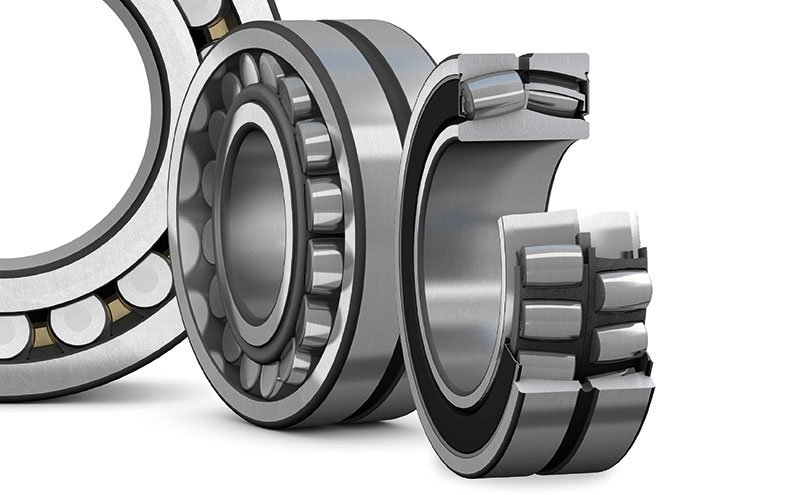
Understanding the various types of bearings is crucial for optimizing machine performance. Bearings play a vital role in reducing friction and supporting loads, which directly influences the efficiency and longevity of machinery. In this blog, we will explore how many types of bearing exist, the impact of these types on machine performance, and five critical factors to consider when selecting bearings for your applications.
Understanding the Types of Bearings
There are several types of bearings, each designed for specific applications and load conditions. Here’s a detailed overview:
Ball Bearings
Ball bearings are among the most common types of bearings. They utilize balls to reduce friction between moving parts. Their design allows them to support both radial and axial loads, making them versatile for various applications, including electric motors, household appliances, and automotive components. The simplicity and effectiveness of ball bearings make them a popular choice in many industries.
Roller Bearings
Roller bearings include several subtypes, such as cylindrical roller bearings, spherical roller bearings, and tapered roller bearings. Unlike ball bearings that use spherical elements, roller bearings use cylindrical or tapered rollers to support heavier loads due to their larger contact area. This design makes them ideal for applications requiring high load capacity and stability.
- Cylindrical Roller Bearings: These are designed to handle high radial loads and moderate axial loads. They are commonly used in gearboxes and electric motors.
- Spherical Roller Bearings: These can accommodate misalignment and are often used in heavy machinery where shaft misalignment is common.
- Tapered Roller Bearings: These are designed to handle both radial and axial loads but excel in applications where high axial loads are present, such as in automotive wheel hubs.
Thrust Bearings
Thrust bearings are specifically designed to handle axial loads. They come in several variations:
- Thrust Ball Bearings: These use balls to support axial loads and are suitable for low to moderate speeds. They are often found in applications like machine tool spindles.
- Cylindrical Roller Thrust Bearings: These utilize cylindrical rollers for higher axial load capacities. They are commonly used in marine applications due to their ability to handle heavy loads.
- Spherical Thrust Bearings: These can accommodate misalignment and provide excellent load distribution, making them suitable for heavy machinery.
Needle Bearings
Needle bearings use long, thin rollers (needles) to support radial loads while maintaining a compact design. Their slender profile allows them to fit into tight spaces while providing significant load-bearing capabilities. Needle bearings are commonly used in automotive applications, such as crankshafts and transmission components.
Angular Contact Bearings
Angular contact bearings can handle both radial and axial loads but are designed specifically to support higher axial loads in one direction. This makes them ideal for high-speed applications where precision is critical. They are often used in applications like machine tool spindles and gearboxes.
How Different Types of Bearings Impact Machine Performance
The choice of bearing significantly affects machine performance through several mechanisms:
1- Friction Reduction
Different bearing designs offer varying levels of friction reduction. For instance, rolling element bearings (like ball and roller bearings) generally provide lower friction compared to sliding bearings. This difference can lead to significant energy savings in machines. Lower friction not only improves efficiency but also reduces wear on components, extending the life of the machinery.
2- Load Capacity
The type of bearing determines its load-carrying capacity. For example, cylindrical roller thrust bearings can handle high radial loads efficiently, making them suitable for heavy-duty applications. In contrast, thrust ball bearings are better suited for lighter axial loads. Choosing the appropriate bearing type based on load requirements ensures that your machinery operates reliably under various conditions.
3- Speed Capability
High-speed applications benefit from precision-engineered bearings like angular contact bearings or deep groove ball bearings. These types minimize heat generation and wear, ensuring smooth operation even at elevated speeds. In contrast, using a bearing not designed for high-speed operation can lead to premature failure and costly downtime.
4- Alignment Tolerance
Spherical roller bearings offer self-aligning capabilities that compensate for misalignment in shafts, which is essential in heavy machinery where alignment issues frequently arise. Misalignment can lead to uneven wear on components and increased friction, ultimately compromising machine performance.
5- Durability and Maintenance Needs
The design and materials used in different types of bearings affect their durability and maintenance requirements. For example, ceramic hybrid spindle bearings provide enhanced resistance to wear and lower operating temperatures, extending service life. Selecting a bearing with appropriate durability characteristics reduces maintenance frequency and costs over time.
Five Critical Factors to Consider When Choosing Bearings
When selecting the appropriate bearing type for your machinery, consider these five critical factors:
1. Load Requirements
Assess the type of load (radial or axial) your application will encounter. For heavy axial loads, consider using thrust ball or roller thrust bearings. Understanding the specific load conditions will help you choose a bearing that can withstand operational stresses without failure.
2. Operating Speed
Determine the operating speed of your application. High-speed operations typically require precision ball or angular contact bearings to minimize heat buildup. Selecting a bearing that matches your speed requirements is crucial for maintaining performance and avoiding overheating issues.
3. Environmental Conditions
Consider the operating environment (temperature, humidity, exposure to contaminants). Certain bearing types may be more suited for harsh environments than others. For instance, sealed or shielded ball bearings can protect against dust and moisture ingress, extending their service life in challenging conditions.
4. Alignment Issues
Evaluate whether your application may experience misalignment during operation. Spherical roller bearings can help mitigate these issues effectively by accommodating shaft misalignment without compromising performance.
5. Maintenance Requirements
Analyze the maintenance needs associated with different bearing types. Some may require more frequent lubrication or replacement than others. Choosing a bearing with lower maintenance requirements can lead to reduced downtime and lower overall operational costs.
The Importance of Selecting the Right Bearing Type
Selecting the correct type of bearing is not just about meeting immediate operational needs; it also has long-term implications for machine reliability and efficiency:
- Cost Efficiency: While it may be tempting to choose a lower-cost bearing option initially, this can lead to higher costs down the line due to increased maintenance needs or premature failure.
- Performance Optimization: The right bearing enhances overall machine performance by reducing energy consumption, improving speed capabilities, and prolonging service life.
- Safety Considerations: Using inappropriate bearing types can lead to catastrophic failures that pose safety risks to operators and equipment alike.
- Environmental Impact: Efficient machines consume less energy and generate less waste; thus, selecting suitable bearing types contributes positively towards sustainability goals.
Conclusion
Understanding how many types of bearing exist and their specific characteristics is essential for optimizing machine performance. The right choice can lead to significant improvements in efficiency, longevity, and overall operational success. At KG International, www.kginternational.com they specialize in providing a wide range of high-quality bearing solutions tailored to meet diverse industrial needs. Whether you require cylindrical roller thrust bearings or angular contact thrust bearings, they have the expertise and products to enhance your machinery’s performance. By considering the factors discussed above when selecting your bearings—load requirements, operating speed, environmental conditions, alignment issues, and maintenance needs—you can ensure that your machines operate smoothly and efficiently over time. Choosing the right type of bearing is not merely a technical decision; it’s an investment in performance that pays dividends through improved productivity and reduced operational costs.