

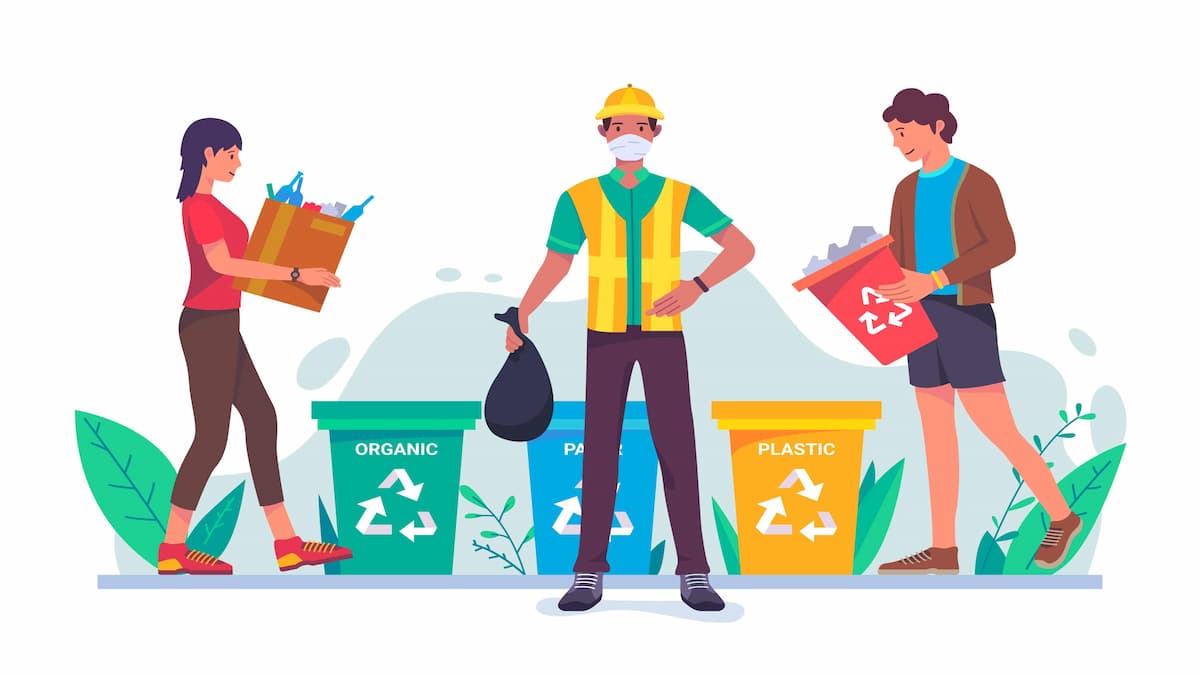
Waste is not only a trouble; it is an untapped potential when not disposed of properly. Recycling hinges largely on how we initially dispose of waste. The better the disposal, the tighter the recycling link. It is not merely a matter of discarding, but discarding smartly, regularly, and on purpose.
The Importance of Effective Waste Disposal in Enabling Recycling
Recycling starts with sort, not collect. Without effective waste disposal, recyclable material is subjected to contamination and rejection. That’s why operations such as cheap skip hire aren’t merely convenient; they’re essential. When individuals are exposed to cheap, transparent disposal, sorting becomes automatic. A properly positioned skip, utilized appropriately, keeps valuable material out of landfill sites. It’s not about throwing more, it’s about throwing better. The proper disposal method keeps recyclables clean and ready for processing rather than being mixed with general waste and accounted as a write-off.
Understanding the Waste Hierarchy: Prevention to Disposal
The hierarchy of waste is not a diagram; it’s a working manual for waste behaviour. At the top lies prevention, followed by reuse, recycling, recovery, and disposal. The more you go down, the higher the loss of resources. Recycling is above disposal for a reason: it cycles materials back into use. But even recycling relies on efficient disposal. If you don’t sort with care, the entire system collapses. Disposal, when it arrives at the end of the chain, must be the option of last resort, not the easy way out. It supports the system by collecting what can’t be salvaged.
Environmental and Economic Benefits of Proper Waste Disposal
Nature relaxes when waste is managed in a responsible manner. Clean rubbish eliminates pollution, rivers and lakes are free from rubbish, and less poison enters the soil. Domino effects are humongous: less plastic in the oceans, fewer greenhouse gases from decomposing rubbish, and healthier ecosystems as a whole. But money is also at stake. Recycling businesses provide jobs and save firms a break on materials. Councils do less landfill expenditure and receive more from recyclables. Proper disposal keeps recyclables profitable. It’s not only saving the planet; it’s creating a smart, sustainable economy.
Waste-to-Energy and Landfill Diversion Strategies
Nothing is recyclable. Waste-to-energy takes its place. Instead of dumping all the rubbish in the ditch, some is actually burned in special plants to make electricity or heat. It’s not the best, but it prevents things from staying on the ground. And landfill diversion: composting, recycling of hard-to-recycle materials, or subsidizing circular waste loops. It starts with proper disposal. When individuals send food waste to the rubbish can labeled ‘general waste,’ a composting opportunity is wasted. Correct waste sorting provides each item with a nicer fate, whether that’s a second life or clean energy.
Waste Disposal’s Role in Climate Change Mitigation
The microorganisms that break down rubbish produce gases, especially methane, which is a much more dangerous gas than carbon dioxide. When waste is dumped with no precautions, it is a time bomb set to create climate damage. But smart disposal systems do just the opposite. Landfill gas capture, reducing organic waste in regular bins, and effective recycling all decrease our carbon footprint. Proper disposal is not merely cleaning up; it’s the climate solution. With each properly disposed of item, there’s one less piece of methane, less rubbish, and a higher probability to curtail global warming.
Promoting Recycling Through Workplace Waste Management
Offices, shops, and warehouses alike create waste, and plenty of it. But workplace recycling is too easily overlooked. When bins are unmarked or not clearly labelled, people tend to put everything into one bin. A well-organised system for disposal in the workplace speaks volumes. Establish sorting stations, conduct awareness days, and designate someone to watch the bins; these little things snowball. The office is not a waste generator but a recycler. And if the top management shows commitment, then the employees will be more likely to lead from the bottom.
Policy and Compliance as Pillars of Recycling Success
Good intentions have their limitations; regulations keep them on track. Clean policy waste imposes a rule on us all, from shopper to corporate behemoth. Mandatory recycling laws, pollution fines, or state goals – keeping the gears rolling is compliance. Policy is not, though, a penalty; policy’s guidance. Policy informs the people what goes in each bin and why. Dispose-your-way routines that work within the rules enhance the recyclables. That increases the overall recycling rates. Without policy and enforcement, the system is sloppy. With them, it’s strong.
Conclusion
Recycling begins not at the factory but at the bin. And that bin can only be successful if we get it right. Removing rubbish is not a monotonous task; it’s the foundation for actual change. When we remove with purpose; we provide recycling with every chance. So yes, what you dispose of counts, but how you dispose of it counts more.
Visit The Inscriber Mag for more informative blogs.