

Fresh blooms may occasionally cause sneezing, roamed eyes, and nasal congestion for people with allergies who enjoy flowers. Some people may find it hard to appreciate interior or even floral arrangements if pollen from specific flowers causes them allergic responses. Many lovely kinds of flowers are allergy friendly because not every bloom has much pollen.
Should you or a loved one living in Oshawa have allergies but yet want to appreciate fresh flowers, or send mothers day flowers on upcoming Mother’s Day on May 11th, you may order flowers online in Oshawa by selecting hypoallergenic ones from the list below so that you keep the allergies at bay while also beautifying your surroundings. The top hypoallergenic flowers, why they are allergy friendly, and how to appreciate floral arrangements without concerns about allergens will be discussed here.
Why Do Hypoallergenic Flowers Trigger Allergies?
Pollen is absolutely vital for plants to procreate. Nevertheless, all pollen is not equal. Flowers that depend on wind pollination emit great quantities of light pollen into the air, therefore elevating allergy and inhalation risk. Conversely, blooms depending on insects for pollination have more solid, stickier pollen that is less likely to fly. Taken together, their low pollen flowers make them an excellent choice for anyone suffering from allergies.
Great Hypoallergenic Bouquets for People with Allergies
Should you enjoy flowers but have seasonal allergies, below are some of the top hypoallergenic blooms that you may like:
1. Rose bushes
Thankfully, roses are also allergy friendly and among the most adored of flowers. Their densely surrounded petals trap the pollen, which they hardly produce anyway. Choosing contemporary hybrid roses is a wonderful approach to appreciate roses without allergies since these have even less pollen levels.
2. Orchids
Elegant, foreign blooms, orchids would give any event or house a spectacular flair. Ideal for allergic patients, these flowers have an unusual pollinating system that creates little to no airborne pollen. Their attractiveness and long lasting blooms make them among the most sought nonallergic species.
3. Tulips
Tulips, a traditional springtime favorite, come in many different hues. Because of low pollen levels of these plants, they are not thought to cause allergies. Without the need of concern about sneezing or sensitivity, tulips make a lovely floral arrangement and bouquet selection.
4. Lilies (Pollen-Free Varieties)
Though some pollenfree hybrid types are safe for allergic patients, many conventional lilies can cause allergies. For instance, Asiatic lilies are a great pick since their anthers enclose their pollen, therefore lessening the chance of allergic reaction.
5. Hydrangeas
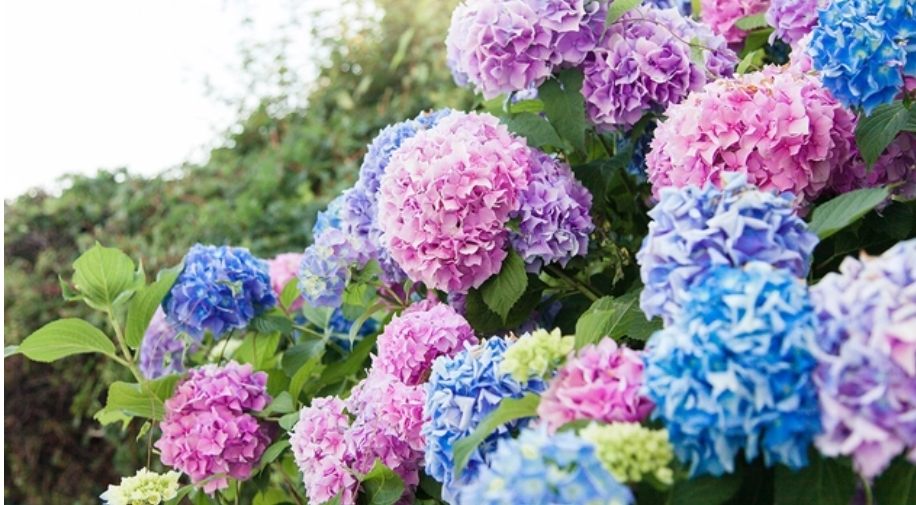
Stunning in shades of blue, pink, white, and purple, hydrangeas are rich, complete blooms. Releasing almost no pollen and not floating it in the air makes them great for consumers looking for hypoallergenic flowers.
6. Peonies
Highly desired for their sweet scent and big, fluffy flowers are peonies. Very little pollen means they are a great complement to bouquets suitable for allergy sufferers. They are popular for home decoration and weddings in part because of their delicate and lovely look.
7. Daffodils
Daffodils are vivid, happy blooms that indicate spring’s approach. Their pollen stays in the structure of the flower rather than being released into the atmosphere, so they are called low pollen flowers. This makes them ideal for gardens and blooms that are allergy sensitive.
8. Carnations
Allergies sufferers would find carnations to be great since they have little pollen and come in many colors. Having a faint smell also makes them great for those who are allergic to pungent floral scents.
9. Begonias
Another good option for allergies friendly flower displays is Begonias. These bright flowers are nearly pollenless and thus perfect for persons with seasonal allergies. Indoor potted plants or outdoor gardens find their home working well.
10. Snapdragons
Snapdragons give taller and more defined floral grouping without eliciting allergies. Because their pollen is stored inside the closed petals, it’s hard to get in the air. This makes them among the top hypoallergenic blooms for event decorations and home furnishings.
Tips for Allergy-Friendly Flower Arrangements
Here are some practical ideas for appreciating hypoallergenic flowers without inflammation if you or someone you know is sensitive to pollen yet still loves flowers:
- Choose Low-Pollen Flowers: Try opting for flowers with enclosed pollen or those that are insect-pollinated rather than wind-pollinated.
- Remove Stamens: In blooms like lilies, you can further cut allergens by eliminating the pollen gathering stamens.
- Use Floral Foam: Arrange flowers using floral foam instead of free pollen loaded grasses or other filler.
- Avoid Strong Fragrances: Some flowers have potent aromatics that could annoy allergies. Choose blooms with little or no scent.
- Keep Flowers Fresh: To avoid mold and mildew growth that might aggravate allergic responses, replace the water often and discard drooping flowers. This will help you to maintain fresh blooms.
Final Remarks on Hypoallergenic Blossoms
Nobody should have their allergies keep them from admiring the beauty of new blooms. Choosing hypoallergenic blossoms allows you to make gorgeous floral designs free of sneezing or sensitivity. There are many nonallergenic flowers to pick from, whether you are decorating your house, preparing a wedding, or sending flowers to a loved one.