

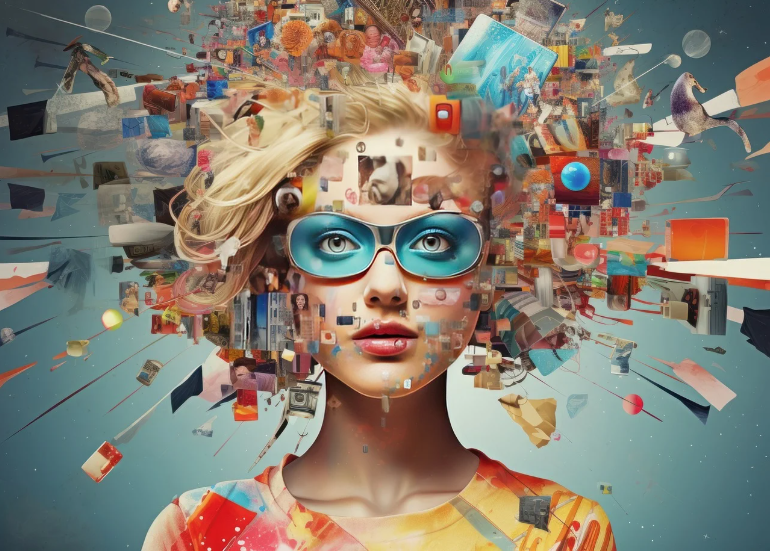
In the carefully curated world of social media, where every post is filtered, every caption is polished, and every image is staged, a new trend is shattering the illusion of perfection: Influencers Gone Wild.
What starts as an innocent post can spiral into full-blown internet chaos—unfiltered rants, scandalous leaks, public meltdowns, and outrageous stunts that leave audiences stunned. But why does this keep happening? And what does it say about the darker side of influencer culture?
This deep dive explores how influencers go from picture-perfect to pure pandemonium, the psychology behind their wildest moments, and the consequences of living life on the edge of virality.
How It Starts: The Pressure to Stay Relevant
Before the chaos, there’s the grind. Influencers build their brands on aesthetic feeds, aspirational lifestyles, and brand-friendly personas. But behind the scenes, the pressure is relentless:
- Algorithm anxiety – One slow week can tank engagement.
- Sponsorship demands – Brands expect constant promotion.
- Fan expectations – Followers crave more drama, more authenticity, more everything.
To keep up, some influencers toe the line between engaging content and full-blown spectacle. And sometimes, they cross it—intentionally or not.
The Descent Into Chaos: How Influencers “Go Wild”
Not every influencer loses control, but when they do, it follows a pattern:
Phase 1: The “Unfiltered” Pivot
Tired of being “too perfect,” some influencers start posting raw, unfiltered content—think crying videos, drunk rants, or behind-the-scenes breakdowns. At first, fans praise their “realness.”
Example: Brittany Broski’s “Kombucha Girl” meme—an unplanned reaction that skyrocketed her fame.*
Phase 2: The Viral Stunt
When authenticity isn’t enough, some escalate to shock value:
- Outrageous challenges (e.g., licking airplane toilets for clout)
- Public feuds (drama = engagement)
- Controversial takes (polarizing opinions attract attention)
Example: Belle Delphine selling her “GamerGirl Bath Water”—absurd, but it worked.*
Phase 3: The Meltdown
When the act becomes unsustainable, cracks appear:
- Public breakdowns (crying livestreams, Twitter spirals)
- Scandals (leaked DMs, exposed lies)
- Cancellations (offensive remarks, problematic behavior)
Example: Tana Mongeau’s disastrous “TanaCon” event, which exposed her lack of preparation and led to massive backlash.*
Phase 4: Redemption (or Disappearance)
Some influencers apologize, rebrand, and return (like Logan Paul after the “Suicide Forest” scandal). Others fade into obscurity or get banned (like Austin McBroom after financial controversies).
Why Do Audiences Love (and Hate) Influencers Gone Wild?
The Appeal: Schadenfreude & Relatability
- “They’re just like us!” – Seeing influencers mess up humanizes them.
- Drama is entertaining – Trainwreck content is addictive.
- Justice porn – When problematic influencers face consequences, it feels satisfying.
The Backlash: Exploitation & Burnout
- Are they being real, or just farming clicks?
- Mental health concerns – Is this sustainable, or are we watching someone self-destruct?
- Negative influence – Does this encourage bad behavior in younger fans?
The Dark Side: When “Wild” Goes Too Far
Not all influencer antics are harmless. Some cross serious lines:
1. Dangerous Challenges
- Tide Pod Challenge – Teens hospitalized for ingesting detergent.
- “Blackout” drinking trends – Encouraging alcohol poisoning for views.
2. Emotional Exploitation
- Faking trauma for sympathy (e.g., false cancer claims).
- Staged breakups to drive engagement.
3. Legal Consequences
- Jake Paul’s FBI raid after his wild party house antics.
- Bryce Hall’s pandemic violations, leading to fines and criticism.
Is This the Future of Influencer Culture?
As audiences grow tired of fake perfection, influencers face a dilemma:
✅ Stay safe and risk becoming boring
❌ Go wild and risk cancellation
Some, like Doja Cat, thrive on chaos, trolling fans and still staying on top. Others, like Emma Chamberlain, pivot to more subdued, mature content.
Platforms are also cracking down—TikTok bans harmful trends, and brands drop problematic influencers faster than ever.
Final Thought: Who Really Wins?
Influencers Gone Wild is a cautionary tale about internet fame:
- For creators: How far is too far?
- For fans: When does entertainment become exploitation?
- For brands: Is viral attention worth the risk?
One thing’s clear—social media rewards chaos, but it rarely ends well.
What do you think? Should influencers keep pushing boundaries, or is it time for a reality check? Let us know in the comments!