

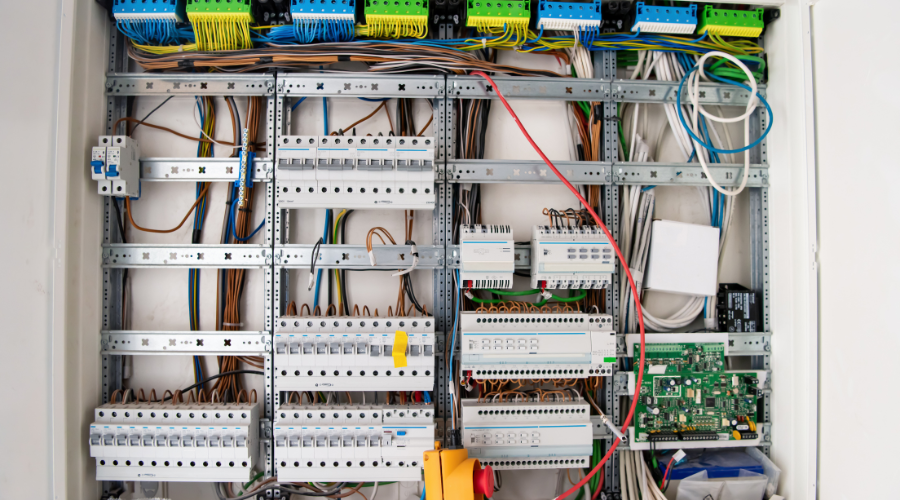
The electrical distribution landscape is rapidly evolving with the integration of smart technologies, transforming traditional distribution boxes into intelligent, connected devices. These innovations improve system reliability, safety, and operational efficiency by enabling real-time monitoring, predictive maintenance, and remote control. As industries and buildings demand higher performance and smarter infrastructure, the adoption of advanced distribution boxes becomes crucial for modern electrical systems.
This article explores the latest innovations in Distribution Boxes, focusing on smart monitoring and remote maintenance capabilities that are redefining power distribution management.
The Evolution of Distribution Boxes
Historically, distribution boxes served as simple protective enclosures housing circuit breakers and fuses to safely divide electrical power. While essential, traditional boxes lacked visibility into system performance beyond local manual inspections.
With the rise of the Internet of Things (IoT) and advanced sensor technologies, distribution boxes now integrate intelligent components that continuously collect and analyze data. This shift enables operators to proactively manage electrical systems, minimizing downtime and enhancing safety.
Smart Monitoring Features
1. Real-Time Electrical Parameter Tracking
Modern distribution boxes are equipped with sensors that measure voltage, current, power consumption, temperature, and other critical parameters in real time. This data helps operators understand load patterns, identify inefficiencies, and detect anomalies before they escalate.
2. Fault Detection and Alerts
Advanced monitoring systems can instantly detect faults such as overloads, short circuits, or ground faults. Upon detection, automated alerts notify maintenance teams via SMS, email, or mobile apps, enabling rapid response to prevent damage or outages.
3. Energy Management and Optimization
By continuously tracking energy usage at the circuit level, smart distribution boxes enable more effective energy management. Facilities can analyze consumption trends, identify waste, and implement demand-response strategies to reduce costs and carbon footprints.
4. Integration with Building Management Systems (BMS)
Smart distribution boxes can seamlessly interface with BMS platforms, allowing centralized control and monitoring of electrical systems alongside HVAC, lighting, and security. This holistic view improves operational efficiency and simplifies facility management.
Remote Maintenance Capabilities
1. Remote Diagnostics
Remote access to distribution box data allows technicians to diagnose issues without physically visiting the site. This capability accelerates troubleshooting, reduces labor costs, and minimizes downtime.
2. Firmware Updates and Configuration
Smart boxes support over-the-air firmware updates and configuration changes, ensuring the system stays up to date with the latest features and security patches without manual intervention.
3. Predictive Maintenance
By analyzing trends and historical data, smart distribution boxes can predict component failures or maintenance needs before they occur. This proactive approach avoids unexpected outages and extends equipment life.
4. Secure Remote Control
Authorized personnel can remotely operate breakers or switches within the distribution box to isolate faults, perform resets, or execute load transfers, enhancing safety and operational flexibility.
Benefits of Smart Distribution Boxes
- Enhanced Safety: Early fault detection and remote control reduce the risk of electrical accidents.
- Improved Reliability: Predictive maintenance minimizes unplanned downtime.
- Cost Savings: Reduced travel, faster repairs, and optimized energy usage lower operational expenses.
- Data-Driven Decisions: Access to detailed analytics supports strategic infrastructure planning.
- Sustainability: Better energy management contributes to environmental goals.
Implementation Considerations
To successfully adopt smart distribution boxes, consider the following:
- Compatibility: Ensure new devices integrate smoothly with existing electrical and IT infrastructure.
- Cybersecurity: Implement robust encryption and access controls to protect sensitive data and prevent unauthorized access.
- Scalability: Choose solutions that can scale with your facility’s growth and evolving needs.
- User Training: Equip staff with the knowledge to leverage smart features effectively.
- Vendor Support: Partner with reputable manufacturers offering reliable hardware and software support.
The Future of Distribution Boxes
Looking ahead, advancements like artificial intelligence (AI), machine learning, and edge computing will further enhance distribution boxes’ capabilities. These technologies will enable even more accurate fault prediction, autonomous system optimization, and integration with smart grids.
As renewable energy sources and electric vehicles proliferate, smart distribution boxes will play a vital role in managing complex, decentralized electrical networks efficiently and securely.
Conclusion
The integration of smart monitoring and remote maintenance features is revolutionizing distribution boxes, turning them from passive safety devices into active management tools. By embracing these innovations, businesses and facility managers can achieve safer, more reliable, and energy-efficient electrical systems.
Investing in smart distribution boxes today prepares your infrastructure for the demands of tomorrow, delivering long-term value and peace of mind.