

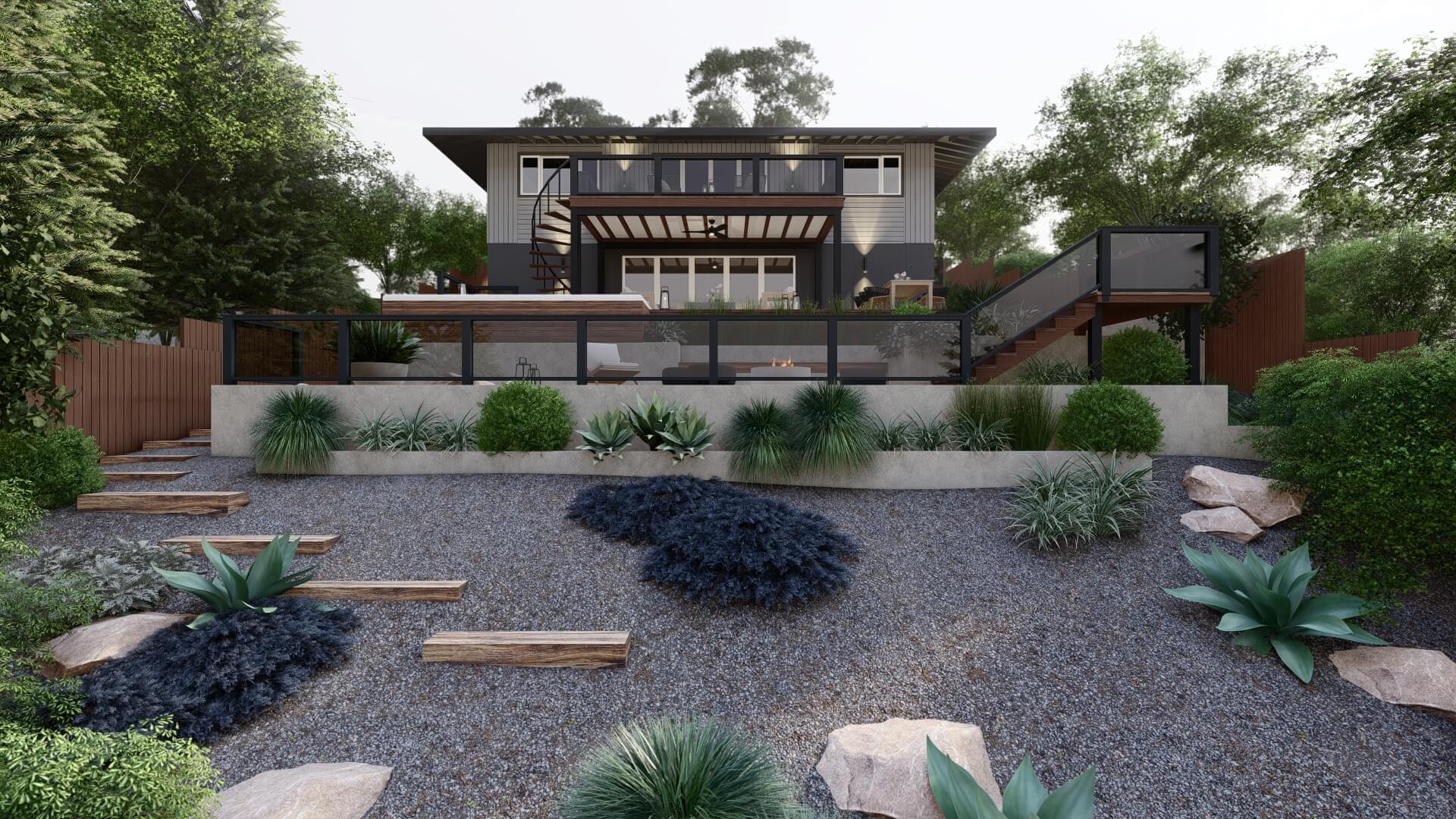
Not all outdoor spaces are created equal. Homeowners and property developers often face unique challenges when working with sloped yards, poor soil conditions, or areas prone to water retention. While flat, open spaces are typically the easiest to landscape, uneven or problematic terrains demand creativity, planning, and sometimes out-of-the-box thinking. Fortunately, today’s landscaping professionals are equipped with a range of innovative solutions that not only overcome these challenges but transform them into stunning, functional outdoor environments.
Addressing difficult landscapes requires more than aesthetic vision—it demands an understanding of natural topography, water flow, and plant biology. Whether you’re working on a steep hillside or navigating frequent rain-induced runoff, outdoor design for difficult landscapes can be both an art and a science. When properly planned, these spaces can be just as beautiful and accessible as their more conventional counterparts, often with the added bonus of distinct character and visual interest that can’t be replicated in flatter areas.
One of the most common challenges in landscaping is dealing with steep slopes. These areas are prone to erosion and can be difficult to maintain if not thoughtfully designed. A popular approach includes the installation of retaining walls, which not only stabilize the terrain but also create tiered garden beds that allow for layered planting. Stone or wood retaining walls can double as aesthetic features and functional boundaries, defining space while preventing soil movement.
Another innovative solution for sloped areas involves corrugated steel planters and terraced gardens. These integrate seamlessly into the land’s natural incline, allowing for water retention at each level and creating opportunities for diverse planting zones. Groundcover plants like creeping thyme or sedum are also excellent for controlling erosion while adding texture and color to hard-to-plant areas.
In addition to topographic challenges, water drainage can pose significant issues. Where heavy rainfall or runoff gathers, landscapes can suffer from soggy soil, plant damage, and foundation issues. Creative drainage solutions such as dry riverbeds, French drains, and bioswales manage stormwater naturally and beautifully. Dry creek beds lined with rocks and drought-tolerant plants are especially popular for directing water flow while enhancing curb appeal.
Permeable hardscaping options are another effective tactic. Instead of traditional concrete or asphalt, using permeable pavers or decomposed granite allows water to seep through the surface and reduce pooled runoff. This approach not only protects your property’s structural integrity but also supports sustainable landscaping practices.
Difficult terrains often lend themselves to more unique and personal designs. For instance, uneven terrain can be turned into a multi-level entertainment area, complete with built-in seating, fire pits, or cascading water features. These additions not only improve usability but also add lasting value to properties that might otherwise be seen as hard to manage.
Native and climate-adapted plants are also essential in landscape design on challenging terrain. These species tend to have deep root systems that help stabilize the soil. They also require less maintenance and are more resilient to local weather patterns, making them particularly suitable for long-term sustainability. In Florida, for example, options like yaupon holly, coontie, and firebush offer hardy, low-maintenance beauty while supporting surrounding ecosystems.
Lighting and access paths are equally important when designing for difficult terrains. Incorporating safe, gradual pathways—through stairs, stepping stones, or switchbacks—makes the space functional and inviting. Low-voltage landscape lighting embedded along trails or stairs not only improves visibility but also highlights key aesthetic features during all hours.
When working with less-than-ideal landscapes, collaboration with experienced professionals can make a world of difference. Landscape designers are trained to assess each site and recommend tailored improvements. They bring familiarity with local resources, construction techniques, and native plant palettes—tools essential for transforming theoretical design into reality.
Ultimately, landscapes with slopes, drainage issues, or irregular patterns need not be avoided. In fact, they offer some of the most dynamic and rewarding opportunities for outdoor transformation. With proper planning, they can be more than just functional—they can become focal points that elevate the property’s personality and purpose.
Whether you’re facing a challenging backyard or planning a new build on hilly property, don’t write off your outdoor space. With the right team and a creative mindset, even the most complex terrain can give rise to beautiful, enduring design.