

Roofs aren’t built to last forever, but that doesn’t mean every issue requires a full replacement. Sometimes, a quick repair is all you need. If you’re unsure, Roofing companies Fayetteville AR can help you figure it out.
Start With The Roof’s Age
Age is one of the most significant indicators of your roof’s condition. Asphalt shingle roofs typically last 20 to 25 years. If your roof is approaching that range, it may be time to consider replacement.
Older roofs show more wear, even if there are no visible leaks yet. The materials break down over time and become less effective at keeping out water. If your roof is over 15 years old, it’s smart to start planning.
Don’t wait for problems to appear before evaluating your roof’s age. Proactive planning gives you time to budget for replacement.
Look For Visible Damage
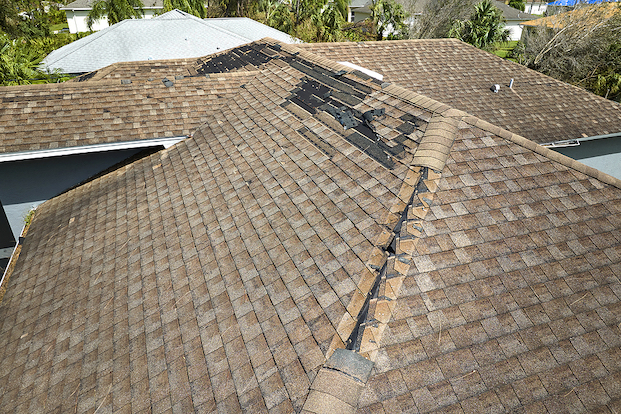
Missing or curling shingles are clear signs of trouble. These often happen after storms or due to aging materials. If you see patches where granules are worn off, your roof may be more vulnerable to leaks.
Also, check for cracked flashing or sagging areas. These can allow moisture to seep in unnoticed. Minor issues must be repaired, but widespread damage may require more.
Take regular walks around your home to inspect your roof from the ground. A simple look can reveal a lot.
Check The Attic Or Ceiling For Signs Of Leaks
The first signs of a roof problem often appear indoors. Water stains on ceilings or walls are a red flag. You might also notice peeling paint or mold growth in your attic.
Another concern is whether daylight is visible through the attic roof boards. This could mean shingles or flashing are loose or missing. Moisture inside your attic is never a good sign.
A leak doesn’t always mean complete replacement, but it does mean fast action is needed. Ignoring it can lead to structural damage.
Evaluate The Scope Of The Damage
Not all roofing issues require a complete overhaul. If damage is limited to a small area, repairs may be enough. A few missing shingles or a damaged vent can often be fixed without much cost.
However, replacement may be smarter if the damage is widespread or affects structural elements. Replacing only sections can lead to mismatched materials and long-term issues. A complete replacement ensures consistency and longer-term protection.
The size and severity of the issue should guide your decision. Bigger problems require more permanent solutions.
Consider Energy Efficiency
Old or damaged roofs don’t insulate well. If your energy bills rise, poor roof performance might be part of the problem. Heat escapes in winter and builds up in summer through a worn-out roof.
Newer roofing materials are more energy-efficient. Upgrading could lower your heating and cooling costs over time, making replacement not just a necessity but a wise investment.
Weigh short-term repair costs against long-term energy savings. Sometimes, replacing your roof pays off.
Factor In Recurring Repairs
If you call a roofer every few months, it’s probably time for something more permanent. Constant patchwork adds up in cost, and it doesn’t provide lasting protection from future damage.
A new roof eliminates ongoing maintenance issues. You’ll get peace of mind knowing the entire surface is solid and weatherproof. Long-term reliability often outweighs the short-term fix.
Roof repairs should be occasional, not routine. If you’re repeatedly fixing the same problems, consider upgrading.
Conclusion
Your roof plays a significant role in protecting your home. Knowing when to repair or replace can prevent severe damage and save money in the long run. For trusted advice and service, Roofing companies Fayetteville A are ready to help. Don’t guess about your roof’s health. Take the time to assess its actual condition. A wise decision now can save you big down the road.