

Hair loss affects millions of people worldwide, driving a constant search for effective solutions. Among the most popular options today are minoxidil, a clinically proven topical treatment, and red light therapy caps, an innovative technology gaining rapid traction in home hair care. But as more people turn to both simultaneously, one critical question keeps surfacing: are these two treatments actually compatible?
The good news is that both approaches target hair follicle health, just through different mechanisms. Minoxidil improves blood circulation to the scalp, while red light therapy caps use photobiomodulation to energize follicle cells at a cellular level. Together, they may offer a powerful, complementary strategy for tackling hair thinning and loss.
This article cuts through the confusion with an evidence-based look at how these two treatments interact, whether combining them is safe, and how to structure a practical scalp care routine around both. Whether you’re just starting your hair restoration journey or looking to optimize an existing regimen, you’ll find clear, actionable guidance here to help you make informed decisions for your scalp health.
Red Light Therapy Caps: A Modern Solution for Hair Growth
A red light therapy cap is a wearable device embedded with LED or low-level laser diodes that emit specific wavelengths of light directly onto the scalp. These caps harness photobiomodulation, a process where light energy penetrates the skin and is absorbed by mitochondria in follicle cells, triggering increased ATP production. This cellular energy boost revitalizes dormant or weakened follicles, encouraging them to re-enter the active growth phase.
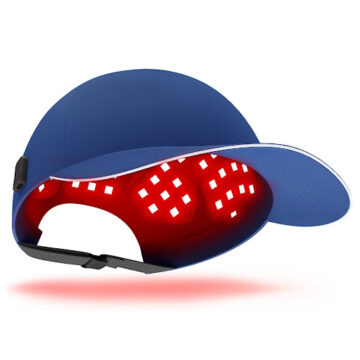
The best red light therapy caps for home use typically operate within the 630–670 nm wavelength range, which research consistently links to improved follicle activity. Brands like YouLumi have built their devices around this clinically relevant spectrum, pairing it with full scalp coverage, comfortable fit, and built-in session timers—practical features worth prioritizing. Unlike clinical treatments, these caps are entirely non-invasive, carrying no risk of scarring or systemic side effects. Their convenience makes them ideal for building into a regular scalp treatment routine, delivering consistent therapeutic exposure without requiring clinic visits or professional supervision.
Minoxidil: The Gold Standard in Topical Hair Loss Treatment
Minoxidil remains the most widely used and extensively studied topical treatment for androgenetic alopecia, carrying FDA approval for both men and women. Its primary mechanism involves vasodilation, which widens blood vessels in the scalp to improve circulation and deliver more oxygen and nutrients directly to hair follicles. This enhanced blood flow helps shift follicles from a resting state back into active growth, gradually increasing hair density over time.
Available in liquid and foam formulations, minoxidil is typically applied twice daily to a dry scalp. The foam version is often preferred for its faster drying time and lower risk of scalp irritation. Despite its proven track record, minoxidil does come with limitations. Some users experience initial shedding, scalp dryness, or mild irritation during the early weeks. Results also depend on consistent, long-term use, which makes exploring complementary therapies like red light therapy an appealing strategy for those seeking more comprehensive, sustainable hair restoration outcomes.
Minoxidil Compatibility with Red Light Therapy Caps
The short answer is yes—red light therapy caps and minoxidil are not only compatible but potentially synergistic. Both treatments target hair follicle health through distinct biological pathways, meaning they complement rather than compete with each other. Minoxidil drives improved blood flow to the scalp, ensuring follicles receive oxygen and nutrients, while red light therapy boosts the cellular machinery within those same follicles to utilize available resources more efficiently. This dual-mechanism approach addresses hair loss from two angles simultaneously.
Evidence from Clinical Research
Several clinical studies support combining low-level light therapy with topical treatments for superior outcomes. A randomized controlled trial published in the journal Lasers in Surgery and Medicine found that participants using both low-level laser therapy and minoxidil experienced significantly greater hair density improvements compared to those using either treatment alone. Additional research corroborates that photobiomodulation enhances cellular receptivity, which may improve how follicles respond to minoxidil’s vasodilatory effects over time.
From a safety standpoint, no significant adverse interactions have been reported between the two treatments. However, timing matters. Applying red light therapy directly over a wet, freshly applied minoxidil layer is not recommended, as the chemical may reflect or absorb light unevenly and cause mild scalp irritation. The practical guideline is straightforward: allow minoxidil to dry completely—typically 30 to 60 minutes after application—before using your red light therapy cap. Alternatively, scheduling red light sessions before minoxidil application also works effectively. Consistent adherence to this sequencing ensures both treatments perform optimally without interference.
LED vs Laser Hair Treatment: Decoding the Technologies
When choosing the best red light therapy cap, understanding the difference between LED and laser diode technology is essential. Both emit therapeutic wavelengths for photobiomodulation, but their delivery mechanics differ in meaningful ways. Lasers produce coherent, focused light beams that penetrate deeper into scalp tissue, making them particularly effective for individuals with more advanced hair thinning or denser hair. LEDs, by contrast, emit diffused, non-coherent light across a broader surface area, providing even scalp coverage with less intensity per point.
For home use hair therapy, LED-based caps generally offer a more practical balance of safety, affordability, and consistent coverage. Laser-based devices can deliver stronger localized stimulation but often come at a higher cost and require more precise positioning to be effective. If your hair loss is concentrated in specific zones, a laser-enhanced cap may offer targeted advantages. For general thinning across the scalp, an LED cap provides reliable, uniform light distribution that integrates seamlessly into a daily scalp treatment routine without complexity.
Home Use Hair Therapy: Creating an Effective Scalp Treatment Routine
Building a scalp care routine around both red light therapy and minoxidil requires thoughtful sequencing rather than simply layering products. Start each session with a gentle, sulfate-free cleanse to remove buildup, excess oil, and product residue. A clean scalp allows both treatments to work without obstruction, improving minoxidil absorption and ensuring light from your cap reaches follicles unimpeded.
From there, timing drives effectiveness. Apply minoxidil to a fully dry scalp, then wait 30 to 60 minutes before using your red light therapy cap. This window allows complete absorption and prevents any interaction at the scalp surface. Most caps recommend sessions of 15 to 30 minutes, making this an easy addition to a morning or evening wind-down. Aim for five to seven red light sessions per week, paired with twice-daily minoxidil applications as directed.
Complementary habits amplify results significantly. A diet rich in biotin, zinc, and iron supports follicle function from within, while staying well-hydrated supports scalp circulation. Scalp massages performed before cleansing can further boost blood flow, enhancing the vasodilatory effects of minoxidil. Reducing heat styling and avoiding tight hairstyles minimizes mechanical stress on recovering follicles, giving your routine the best possible foundation for consistent, long-term progress.
Practical Steps: How to Integrate Red Light Therapy and Minoxidil
Combining these treatments effectively comes down to consistency, sequencing, and attentive monitoring. Follow this straightforward weekly framework to get the most from both therapies without complication.
Each morning, cleanse your scalp with a gentle shampoo, then towel dry thoroughly. Apply minoxidil directly to dry scalp areas experiencing thinning, using your fingertips to distribute evenly. Wait 45 to 60 minutes, then put on your red light therapy cap for the recommended session duration, usually 15 to 25 minutes. In the evening, repeat the minoxidil application without a second red light session, as once daily light therapy is sufficient and consistent with most clinical protocols.
For technique, part your hair into sections before applying minoxidil to ensure direct scalp contact rather than coating the hair shaft. When wearing your red light cap, sit still and avoid additional topical products on the scalp until the session ends. This prevents any barrier forming between the light diodes and your skin.
Track your progress monthly with scalp photographs taken under consistent lighting. Hair restoration is gradual, so realistic expectations matter. Most users notice reduced shedding within six to eight weeks and visible density improvements after three to four months. If persistent scalp irritation or unexpected shedding occurs, pause and consult a dermatologist before continuing the combined regimen.
Combining Red Light Therapy and Minoxidil for Lasting Results
The evidence is clear: red light therapy caps and minoxidil are not only compatible but work better together than either does alone. Minoxidil improves blood flow to the scalp, delivering the oxygen and nutrients follicles need, while red light therapy amplifies cellular energy production to help those follicles act on those resources more effectively. This complementary relationship makes combining them one of the most well-rounded, non-invasive strategies available for addressing hair thinning and loss at home.
Choosing the right cap matters. Whether you opt for LED or laser technology depends on your specific hair loss pattern and lifestyle, but both can deliver meaningful results when used consistently. Equally important is following a structured routine—clean scalp, proper timing between minoxidil and light sessions, and supportive habits like nutrition and scalp massage all compound your progress over time.
That said, hair restoration is deeply personal. Before starting or significantly changing any treatment regimen, consulting a dermatologist ensures your approach is matched to your individual needs. With professional guidance, a disciplined routine, and realistic expectations, combining red light therapy with minoxidil offers a genuinely promising path forward for lasting scalp health.