

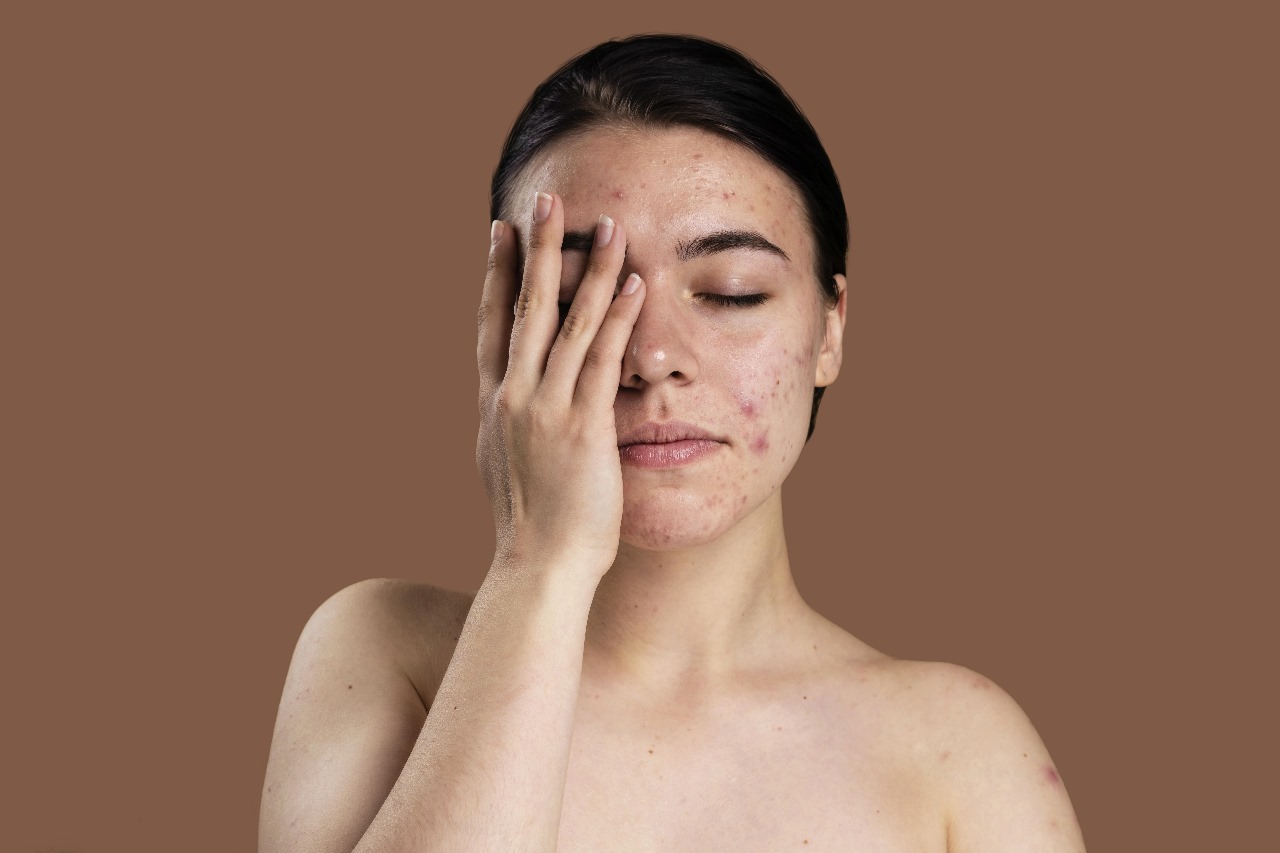
Acne is more than just a cosmetic issue it can affect confidence, self-image, and emotional well-being. Millions of people worldwide struggle with acne, seeking that elusive permanent cure. But despite countless treatments, products, and advice floating around, the question still remains: Is there really a permanent cure for acne?
In this article, we’ll explore what causes acne, whether a long-term solution truly exists, and how you can take control of your skin care routine to achieve smoother, healthier skin.
The Acne Condition
Acne is a chronic skin condition that occurs when hair follicles become clogged with oil and dead skin cells. This leads to the formation of pimples, blackheads, and sometimes painful cysts, primarily on the face, shoulders, chest, and back. Hormones, genetics, diet, and stress all play roles in the severity and persistence of acne.
There are different types of acne:
- Comedonal acne: Characterized by blackheads and whiteheads.
- Inflammatory acne: Includes papules and pustules, which are red and swollen.
- Cystic acne: A severe form with deep, painful nodules and cysts.
No matter the type, dealing with acne often feels like a never-ending battle.
The Truth Behind a Permanent Acne Cure
The word “cure” implies a complete and lasting fix. Unfortunately, when it comes to acne, there’s no universal, one-size-fits-all permanent cure. This is because acne isn’t caused by a single factor. Rather, it’s the result of a combination of elements overactive oil glands, hormonal fluctuations, bacteria, and more.
Some people may see long-term clear skin after puberty, while others continue to battle face acne into their 30s, 40s, or even 50s. In some cases, certain acne treatments lead to long-lasting improvement, giving the impression of a “cure,” but this varies greatly depending on skin type, genetics, and lifestyle.
Effective Acne Treatment Options
While there may not be a magic pill that permanently eliminates acne for everyone, modern acne treatments can significantly improve your skin complexion and keep breakouts under control.
1. Topical Treatments
These include creams and gels containing ingredients like benzoyl peroxide, salicylic acid, retinoids, and antibiotics. These treatments help unclog pores, reduce bacteria, and calm inflammation.
2. Oral Medications
For moderate to severe acne, dermatologists may prescribe oral antibiotics, hormonal treatments (like birth control pills), or isotretinoin (commonly known as Accutane). Isotretinoin has shown impressive long-term results for many people but requires close monitoring due to possible side effects.
3. Professional Procedures
Laser therapy, chemical peels, and extractions performed by dermatologists or licensed skin care professionals can support your treatment plan, especially for stubborn pimples or blackheads.
4. Lifestyle and Skin Care Adjustments
Sometimes, small changes can make a significant difference. A consistent skin care routine tailored to your skin type gentle cleansing, moisturizing, and using non-comedogenic products can help maintain smooth skin and prevent future breakouts.
Why Some People Seem “Cured”
If you’ve ever met someone who claims they’ve “cured” their acne, they likely found a treatment or routine that works for their specific situation. This could include:
- Hormonal balance achieved through age or medication
- A lifestyle shift (better diet, less stress)
- Discovering and avoiding personal triggers (like dairy or certain products)
However, these successes don’t guarantee the same outcome for everyone. What works as an acne cure for one person may do little for another.
Managing Expectations
Expecting a permanent cure for acne can lead to frustration. A more realistic and empowering approach is to focus on long-term acne management. With the right combination of treatments and daily habits, many people can keep their skin clear and reduce the frequency and severity of breakouts.
Keep in mind that treating acne isn’t only about getting rid of pimples. It’s also about improving your overall skin complexion, preventing scarring, and maintaining smooth skin in the long run.
Final Thoughts
In most cases, acne is a manageable condition rather than one that’s permanently curable. The idea of a universal, permanent acne cure is more myth than reality. However, with modern treatments, consistent skin care, and an understanding of your skin’s needs, you can effectively keep acne at bay and enjoy clearer, healthier skin.
If you’re struggling with persistent or severe acne, don’t lose hope. Consult a dermatologist to create a personalized treatment plan. Remember, achieving smooth skin and a balanced skin complexion is often a journey one that’s well worth the patience and effort.