

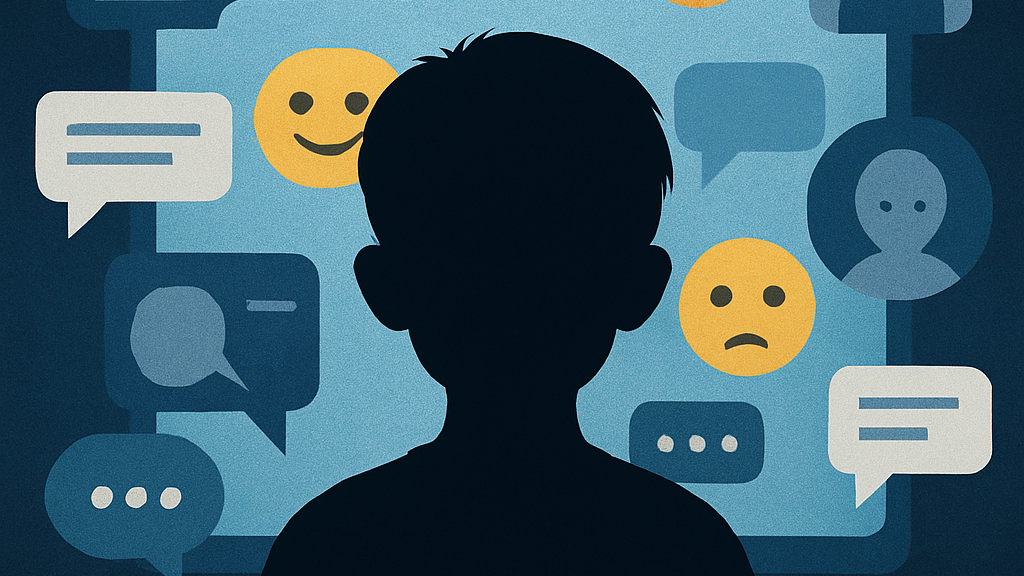
The internet has become a major part of children’s daily lives. From online classes and gaming to social media and video streaming, kids spend more time online than ever before. While technology offers many benefits, it also exposes children to risks that many parents fail to notice until it is too late.
Many parents think their child is safe just because they use parental controls or occasionally check their phone. However, online threats are now more advanced, hidden, and harder to detect. Children may face cyberbullying, online predators, inappropriate content, and digital addiction without parents being aware of what is happening behind the screen.
Why Online Safety Matters More Than Ever
Children are growing up in a fully connected digital environment. Smartphones, tablets, gaming consoles, and social media apps have changed how kids communicate and learn. Unfortunately, these same tools can also expose them to harmful experiences.
According to multiple online safety studies, children often hide their online activities from parents. Many use private chats, disappearing messages, or secondary accounts to avoid supervision. As a result, parents may assume everything is fine while serious issues develop in the background.
The problem is not technology itself. The real challenge is the lack of visibility into how children use it.
The Hidden Risks Most Parents Overlook
Many parents focus only on screen time limits, but online safety involves much more than controlling how long children use devices.
Cyberbullying Is More Common Than Parents Realize
Cyberbullying often takes place through social media platforms, messaging apps, online games, and even school group chats. Unlike traditional bullying, online harassment can follow children everywhere because they constantly stay connected through their devices.
Children affected by cyberbullying may experience anxiety, stress, depression, low self-esteem, social isolation, and declining academic performance. Many kids avoid talking about these problems because they fear punishment or losing access to their phones and social media accounts.
Parents should closely observe emotional changes, unusual silence, or sudden withdrawal from daily activities. Using reliable parental monitoring solutions like TheOneSpy can help parents identify warning signs early and take steps to protect their children from online harassment.
Online Predators Use Trust and Manipulation
One of the biggest concerns for parents is online grooming. Predators often pretend to be friendly teenagers or trustworthy individuals to gain a child’s confidence.
These people usually target children through:
- Social media platforms
- Gaming chats
- Video-sharing apps
- Messaging services
They slowly build trust before asking for personal information, photos, or private conversations. Many parents underestimate how skilled online predators are at manipulation.
Monitoring online interactions responsibly can help identify suspicious communication before it becomes dangerous.
Private Apps and Secret Accounts
Many children today use hidden apps or secondary accounts that parents never see. Some apps are designed specifically to hide photos, chats, or browsing activity.
Kids may also create:
- Fake Instagram profiles
- Secret TikTok accounts
- Hidden Snapchat conversations
- Locked folders for media files
Parents who only monitor the main account often miss what is actually happening online.
The Impact of Excessive Screen Time
Screen addiction is one of the most overlooked issues among children today. Spending too much time online can affect both physical and mental health. Children dealing with excessive screen use may become irritated when devices are taken away, struggle with sleep problems, lose focus on schoolwork, avoid physical activities, and become emotionally dependent on social media attention.
Although technology is an important part of modern life, maintaining balance is essential. Parents should encourage offline activities, healthy routines, and open discussions about responsible internet use.
Why Open Communication Alone Is Not Enough
Many parenting experts stress the importance of honest discussions about internet safety. However, children often hide online issues for fear of punishment, embarrassment, or a desire for independence.
Therefore, parents should adopt a balanced approach that combines trust, communication, and responsible digital supervision. While open conversations are crucial, staying informed about potential online risks is equally important in today’s connected world.
How to Build a Healthy Digital Relationship With Your Child
Creating a safe online environment starts with building trust rather than acting like an investigator. Children are more likely to share their concerns when parents maintain a supportive and understanding attitude.
Below are some practical ways parents can strengthen digital safety while maintaining a healthy relationship with their children.
Set Clear Digital Boundaries
Children need clear guidelines for how they use technology and online platforms. Establishing rules helps reduce risky behavior and encourages responsible internet usage.
Parents should create boundaries regarding:
- Social media activity
- App installations and downloads
- Daily screen time
- Online friendships and interactions
When expectations are clear, children are more likely to make safer decisions online.
Teach Children About Online Threats
Digital education is one of the most effective ways to protect children from internet dangers. Parents should regularly discuss common online risks and teach kids how to respond safely.
Important lessons include how to:
- Identify fake profiles and suspicious accounts
- Avoid dangerous links and scams
- Protect personal and private information
- Report cyberbullying or harmful behavior
The more informed children are, the better prepared they become to handle online challenges responsibly.
Monitor Online Activity Without Breaking Trust
Responsible monitoring allows parents to stay informed without making children feel constantly controlled. The purpose of supervision should always be protection and guidance rather than invasion of privacy.
Smart parental monitoring solutions such as TheOneSpy empower parents to swiftly identify warning signs, monitor risky online behavior, and significantly enhance their child’s digital safety while effectively maintaining a balanced approach to parenting.
Social Media Pressure Is Affecting Mental Health
Many children compare themselves to unrealistic online lifestyles and influencers. Constant exposure to edited content can create insecurity, anxiety, and low confidence.
Social media pressure can lead to:
- Fear of missing out (FOMO)
- Depression
- Sleep disorders
- Low self-worth
Parents should encourage healthy discussions about social media and remind children that online content often does not reflect reality.
Gaming Platforms Are Not Always Safe
Online games are no longer just games. Many now include voice chat, messaging systems, and live interactions with strangers.
Parents often overlook the risks inside gaming communities, including:
- Toxic behavior
- Exposure to inappropriate language
- Online scams
- Stranger communication
Children should understand that not everyone online has good intentions, even inside gaming platforms.
How Parents Can Create a Safer Online Environment
Protecting children online requires a proactive approach. Waiting for problems to appear can increase the risk of emotional or psychological harm.
Parents can improve online safety by:
- Keeping devices in shared family spaces
- Reviewing app permissions regularly
- Monitoring online behavior responsibly
- Using trusted parental monitoring solutions
- Encouraging regular offline activities
- Maintaining open and supportive communication
Digital parenting is not about spying on children. It is about understanding the online world they live in and helping them navigate it safely.
Final Thoughts
The internet offers incredible opportunities for learning, creativity, and communication. However, it also presents risks that many parents underestimate. Cyberbullying, online predators, hidden apps, and social media pressure are real threats affecting children every day.
Parents cannot rely only on trust or occasional phone checks. Staying informed and involved is essential in today’s digital environment.