

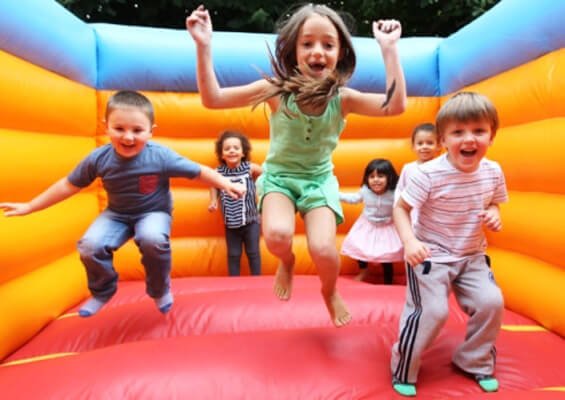
Picture this: It’s your child’s birthday party, and 20 excited kids are ready to bounce. But when the jumping castle arrives, you realize your backyard is too small, there’s no power outlet nearby, and you forgot to check if your neighbor’s overhanging tree branches are in the way. What should have been a fun celebration turns into a stressful nightmare.
Jumping castles are amazing for parties, school events, and community gatherings. They bring joy, laughter, and endless entertainment for kids of all ages. But booking one without proper planning can lead to disappointment and wasted money.
This checklist will help you avoid common mistakes and ensure your jumping castle hire goes smoothly. From space requirements to safety checks, we’ll cover everything you need to know before making that booking call.
Why Planning Ahead Matters for Jumping Castle Hire
Good preparation makes the difference between a successful event and a stressful disaster. When you plan ahead, you avoid last-minute problems that could ruin your special day. Most jumping castle companies get booked out weeks in advance, especially during peak seasons like spring and summer.
Professional jumping castle hire services can guide you through the planning process, but it’s still important to know what questions to ask. The more prepared you are, the better your hire experience will be.
Taking time to consider all the details upfront saves money, reduces stress, and ensures everyone has a great time at your event.
Space and Location Requirements
Measuring Your Available Space
Before you fall in love with that giant castle slide combo, make sure it actually fits in your space. Most jumping castles need more room than you think. A standard bouncy castle usually requires about 5 meters by 5 meters of flat ground, plus extra space around the edges for safety.
Don’t forget to look up as well as around. Check for overhead obstacles like tree branches, power lines, or low-hanging roofs. Most jumping castles need at least 4-5 meters of clear height above them.
Ground Surface Considerations
The ground surface matters more than most people realize. Grass is ideal, but make sure it’s level and firm. Avoid areas with sprinkler heads, garden taps, or sharp objects that could damage the castle.
Concrete and asphalt can work, but they require special protective sheeting. Some hire companies charge extra for hard surface setups. Rocky, uneven, or muddy ground is usually not suitable and could be dangerous.
Safety and Insurance Verification
Public Liability Insurance
This is not the time to cut corners. Any reputable jumping castle hire company should have current public liability insurance of at least $10 million. Ask to see their Certificate of Currency before booking, and make sure it covers the date of your event.
This insurance protects you if someone gets injured on the equipment. Without it, you could be personally liable for medical costs and legal fees. Don’t just take their word for it – ask for written proof.
Safety Standards and Maintenance
Find out how often the company inspects and maintains their equipment. Well-maintained jumping castles should be checked regularly for wear, tears, and safety hazards. Ask about their cleaning procedures too, especially if you’re concerned about hygiene.
Reputable companies will have clear safety rules and provide supervision guidelines. They should explain weight limits, age restrictions, and proper use instructions.
Weather and Backup Plans
Weather Restrictions
Most jumping castles can’t operate safely in strong winds, usually anything over 30-40 km/h. Rain makes them slippery and dangerous. Find out your hire company’s weather policy before booking.
Some companies will reschedule for free if weather conditions are unsafe. Others might offer a partial refund or credit for future use. Know these terms upfront to avoid disappointment.
Indoor Alternatives
If you’re planning an outdoor event during unpredictable weather seasons, consider venues with indoor backup options. Some hire companies offer smaller indoor-suitable castles that can fit in halls, garages, or covered areas.
Indoor options are usually more expensive but guarantee your event won’t be canceled due to weather.
Age Groups and Capacity Limits
Age-Appropriate Selection
Not all jumping castles suit all ages. Toddler castles are designed for children under 6, while bigger combo units work better for older kids. Mixing age groups can be dangerous, with bigger children potentially hurting smaller ones.
Ask your hire company to recommend the right size and style for your group. They should know which castles work best for different age ranges.
Maximum User Capacity
Every jumping castle has a maximum number of users and weight limit. These limits exist for safety reasons and should never be exceeded. Overcrowding leads to injuries and can damage the equipment.
A typical residential bouncy castle usually accommodates 6-8 children at once. Larger units can handle more, but always follow the company’s guidelines.
Power and Setup Requirements
Electrical Access
Most jumping castles need constant power to stay inflated. This means you need a standard power outlet within about 30 meters of the setup location. The blower motor runs continuously during use, so consider your electricity costs for longer events.
If you don’t have suitable power access, some companies offer generator hire for an additional fee. Generators are noisy but solve power problems for remote locations.
Setup and Pack-up Timing
Professional setup usually takes 20-30 minutes, and pack-up takes about the same time. The delivery crew needs clear access to your setup area, which might mean moving cars or opening gates.
Discuss timing with your hire company. Some offer setup the night before for early morning parties, while others have strict delivery windows during business hours.
Budget and Hidden Costs
Base Pricing vs Total Cost
The advertised price might not be the final amount you pay. Most companies quote base hire rates, but additional costs can add up quickly. These might include delivery fees, setup charges, and cleaning costs.
Get a written quote that includes all fees upfront. This prevents nasty surprises when it’s time to pay.
Additional Fees to Consider
Common extra charges include weekend premiums, public holiday surcharges, extended hire periods, and damage bonds. Some companies charge extra for hard surface setup or difficult access locations.
Cleaning fees apply if the castle is returned excessively dirty. Damage charges can be expensive, so make sure users follow all safety rules.
Booking Terms and Cancellation Policies
Most companies require a deposit to secure your booking, usually 20-50% of the total cost. Find out when the balance is due and what payment methods they accept.
Understand the cancellation policy before signing anything. Some companies allow free cancellation up to 48 hours before delivery, while others have stricter terms. Weather-related cancellations often have different rules than customer-initiated cancellations.
Read the fine print carefully and ask questions about anything unclear.
Permits and Council Requirements
For events in public spaces like parks or community centers, you might need permits from your local council. This applies to school fetes, community events, and some private parties in public areas.
Check with your local council about permit requirements well before your event date. The permit process can take several weeks, and some locations have restrictions on commercial equipment.
Private property events usually don’t need permits, but check with your hire company if you’re unsure.
Conclusion
Planning a successful jumping castle hire doesn’t have to be complicated. This checklist covers the main points that trip up most people: space requirements, safety considerations, weather planning, and hidden costs.
Take time to research different companies, compare prices and services, and ask plenty of questions. A reputable hire company will be happy to help you plan the perfect setup for your event.
Use this checklist when calling for quotes, and don’t be afraid to ask for clarification on anything unclear. Good preparation leads to great parties and happy memories that will last for years to come.