

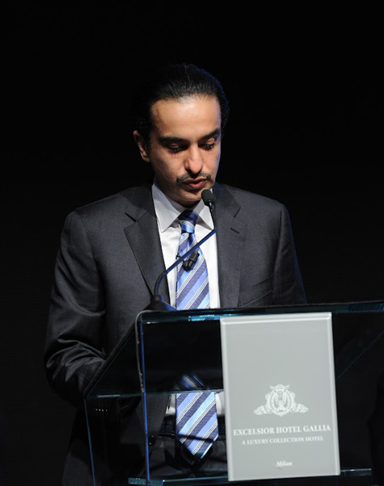
There’s a whole lot to be stated concerning hospitality, whether it’s visitors in your home or arranging a comfortable vacation for VIPs from abroad. Allow’s introduce someone who knows quite a bit regarding it: Sheikh Nawaf Bin Jassim Bin Jabr Al-Thani is a resort financier from Qatar. He was born into the ruling Al-Thani household, yet he selected to develop a name in business, not politics. When he was still a teen, he noticed that site visitors who came for power forums in Doha could not always find clean spaces. That fact stuck in his mind. Qatar had wealth, yet it lacked beds, cafés, and meeting halls that matched international taste. He read trade publications and spoke with front-desk staffs throughout family trips.
The concept of possessing hotels no longer felt far-off; it ended up being a clear target. Throughout university holidays, he cleaned recipes in a budget inn in Oman just to find out how a kitchen line works. Later on, he took a brief internship with a money house in London where he researched hotel annual reports. Each small job added a new part to his tool kit. You know what’s certainly worth discussing: by the time he completed college, he had an easy plan—begin in your home, fix what is damaged, then move outward step by step. That beginning phase of the Jassim Bin Jabor Al-Thani bio reveals a young man turning concerns into strategy. The rest of this write-up tracks how that plan unraveled across four continents.
Early Knowing of Sheikh Nawaf Bin Jassim Bin Jabr Al-Thani
High school educators remember that Nawaf Bin Jassim Bin Jabr Al-Thani typically drew resort floor plans in the margins of his notebooks. His essays contrasted lobby dimensions and breakfast menus from various chains. Throughout family holidays, he would examine smoke alarms and note their expiration dates. Such behaviors show up in several online items connected to Jassim Bin Jabor Al-Thani’s bio. They reveal that he learned guest comfort guidelines before he managed large sums of money.
At university, he studied organization administration, but he also worked weekend shifts in housekeeping. He claims those long hours taught him that a clean washroom wins more loyalty than a costly chandelier. Really, allow’s take a sec to remember a quite fascinating anecdote. One summer, he trekked through the Gulf and slept in two-star resorts. He noted all nuisances, including flickering lights and sluggish elevators, and consequently used the checklist as a guide to any future restorations. Friends remember how he never pursued fancy words, just missing screws and loose taps. That early focus on details explains many of the choices he would later make when budgets reached the billion-dollar mark.
First Leadership in the Home
In the early 2000s, he joined Qatar National Hotels Company, first as a board member and soon after as chairman. The official name Jassim Bin Jabor Al-Thani was used by coworkers in meeting minutes when recording his votes. At the time, it owned the Ritz-Carlton Doha, the Sheraton Doha, and a couple of smaller resorts in the city. Elevators squeaked, carpets wore, and guest rankings were on the decline. His initial order was short: change what looks worn out. Regional papers ran stories under the heading Sheikh Nawaf Bin Jassim Bin Jabr Al-Thani News when fleets of vehicles arrived with new mattresses and kitchen stoves.
He asked cooks to reduce menus in half so ingredients remained fresh. He brought in a former airline trainer to teach bellmen clear English greetings. Within a year, guest ratings for cleanliness and speed of service climbed. Income rose even though room rates remained flat. He summarized the change in one sentence: “We fixed the fundamentals, and visitors noticed.” That plain line and simple work turned an aging portfolio into a regional success.
Rebranding and Training
Back in 2012, Qatar National Hotels Company changed its branding to Katara Hospitality. The board wanted a badge that didn’t sound like a state firm, but instead like a worldwide owner. The rename marked a new chapter, and Sheikh Nawaf Bin Jassim Bin Jabr Al-Thani’s growing bio began filling local news feeds. Yet the chairman kept one policy from the old days: invest in people. Four years earlier, he had signed training contracts with the Ministry of Labour. Young Qataris who joined the plan spent three months in class and three months on the job. They learned how to fold linens so seams face down and how to balance a cash drawer to the riyal.
By 2009, national staff composed twenty percent of resort employees, meeting the target on time. Managers took short programs on mentoring styles. One workshop asked leaders to solve guest problems without jargon or delay. Front-line staff gained the right to upgrade a room or send fruit without added approval. These small powers raised morale and cut complaints. They also matched the plain talking style that had helped repairs in the first place.
Site Jobs in Qatar
Qatar remained the testing ground for every new idea. The Sheraton Doha, shaped like a white pyramid, was first in line for upgrades. Work teams added energy-saving glass and modern ballrooms while maintaining the well-known outline. Sharq Village & Spa followed in 2007 with mud-brick walls that hid smart wiring. Doha Marriott Resort earned fresh conference halls, and Somerset West Bay Doha welcomed long-stay guests. The boldest gamble inside the country is Qetaifan Island North in Lusail City. Foundations were set in 2018 for water slides, villas, and two luxury hotels managed by Rixos. Meetings tagged Sheikh Nawaf Bin Jassim Bin Jabr Al-Thani of Qatar describe that the locale is meant to outlast single events such as a World Cup.
Stage one focused on 2022, and work continued even during lockdowns. Not every fix was grand. Sealine Beach Resort, a modest escape south of Doha, saw room refurbishments that cost half the price of a new build yet raised weekend occupancy by a third. These examples show that Sheikh Nawaf Bin Jassim Bin Jabr Al-Thani’s Qatar projects blend daring builds with careful face-lifts.
Moving into the Middle East and Africa
Once home resorts ran smoothly, Nawaf Bin Jassim Bin Jabr Al-Thani looked south and west. The Salalah Marriott Resort opened on Oman’s far coast in 2010. Visitors liked the wide beach and calm climate. Journalists covering the ribbon-cutting filed more Sheikh Nawaf Bin Jassim Bin Jabr Al-Thani News articles. They noted that the site sat hundreds of kilometres from the nearest big city, showing faith in untapped locations. Next came the Renaissance Golden View Beach Resort in Sharm El Sheikh, Egypt.
The company added funds for new pools and safer child play areas, and occupancy increased when renovations finished. In 2018, Katara and AccorHotels set up a one billion dollar fund for forty resorts across Sub-Saharan Africa. Reports in Nairobi and Lagos said the lead investor, Nawaf Bin Jassim Bin Jabr Al-Thani, was going long on the continent. Early sites were in Ghana and Rwanda, both chosen for stable governments and growing flight links.
Europe and the Americas
Europe presented a fresh test. Buildings were older, and rules on heritage sites were strict. Jassim Bin Jabor Al-Thani led the purchase of the Royal Savoy in Lausanne. Roof tiles had to match colours approved by city council archivists. Yet once work finished, the resort sold out rooms during summer festivals. The Bürgenstock Hotel on a Swiss ridge followed. Employees used small lifts to haul stone so hiking paths remained open. Travel writers added the project to new entries in Sheikh Nawaf Bin Jassim Bin Jabr Al-Thani’s biography pages. London showed how scale can meet history. Let’s conclude this section by noting that Grosvenor House joined The Savoy under the Katara umbrella in 2018.
Both resorts maintained concierges in tailcoats, but rooms got quiet climate systems. Across the Atlantic, the Plaza Hotel in New York changed hands for around six hundred million dollars. Within two years, management reported higher suite rates despite a flat wider market. Reviewers linked the rise to the practice of fixing fundamentals first. In every foreign city, the team collaborated with local art schools, hanging student canvases in lobbies. The idea cost little and gave the brand a community touch.
Collaborations and Funds
Growth at this scale demanded strong allies. The link with AccorHotels for the Africa fund is one example. Another came in 2019 when Katara Hospitality signed an operating deal with Rixos for Lusail’s unique sea project. These deals appeared under the search tag Sheikh Nawaf Bin Jassim Bin Jabr Al-Thani News since they transformed job markets. Earlier, in 2008, he met J.W. Marriott Jr. in Doha to discuss deeper cooperation. That talk led to cross-training programs and shared guest-loyalty deals.
If you’re seeking to understand Sheikh Nawaf Bin Jassim Bin Jabr Al-Thani’s bio, you would do well to note that he prefers joint ventures over solo runs in tricky markets. The model worked in Spain, France, and Morocco, where local rules can confuse new investors. Local partners handled permits, while Katara provided capital and patience.
Weathering Hard Times
This sector feels every world shock first. The 2008 global crash, local unrest, and the 2020 pandemic all slowed travel. Profits dipped hard. Still, Katara Hospitality did not give up core staff. It used reserves built during good years. Maintenance teams moved from guest rooms to back-of-house repairs while halls were empty. This kept workers busy and assets ready for the rebound. Reporters tracking Jassim Bin Jabor Al-Thani observed how clear talk calmed teams. He posted weekly notes in simple language: “Keep safe, train online, and we will open again.” Suppliers got payments on schedule to avoid chain collapse. By late 2021, several properties reopened with minimal restart cost. The approach matched lessons he wrote about during student trips: address little issues early, and money problems shrink.
Results in Numbers
Specific audited numbers remain private, yet hints arise. By 2025, Katara Hospitality listed more than forty operating resorts with over nine thousand rooms. Market valuers placed the gross property value over twenty-five billion U.S. dollars. From 2012 to 2019, revenue grew by around six percent a year, beating local averages. The Plaza Resort alone raised revenue per available room by fifteen percent after renovations. Operating margins improved because energy use dropped. New glass at the Sheraton Doha cut cooling bills by a quarter. Heat pumps in Swiss hotels saved fuel during winter. This part of Sheikh Nawaf Bin Jassim Bin Jabr Al-Thani’s biography points out that such savings matter as much as higher rates. The company also maintained an A-level credit history with local banks, granting access to affordable loans for future buys.
Lessons from Sheikh Nawaf Bin Jassim Bin Jabr Al-Thani
Travel experts who follow Sheikh Nawaf Bin Jassim Bin Jabr Al-Thani news often ask what sets his portfolio apart. Three points stand out. First, he fixes basics before marketing. Second, he shares growth with partners rather than going solo. Third, he tracks training as closely as profit. These principles show up repeatedly in every Sheikh Nawaf Bin Jassim Bin Jabr Al-Thani biography that lands in trade journals. They also colour tourism features which highlight how new projects open jobs for local youth. A clear pattern shows: careful foundation, constant alliances, and respect for location.
The career of Sheikh Nawaf Bin Jassim Bin Jabr Al-Thani reveals that steady care can beat sudden buzz. He learned hotel work from the floor up, guided repairs at home, and then exported the same model to Europe, Africa, Asia, and the Americas. It should probably go without saying that there is a lesson to be learned here. If we put it as simply as possible: make sure you can keep your own house in order before you begin seeking to repair the neighbourhood. Or maybe there’s no deeper meaning beyond the intriguing story of a driven person who has generally devoted his whole life to the advancement and enhancement of the hospitality sector. Either way, it’s a worthwhile example of exactly how to succeed.