

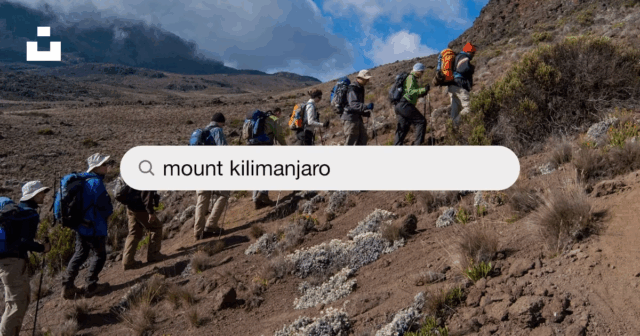
Mount Kilimanjaro
Mount Kilimanjaro stands tall in Tanzania and speaks loud to every heart that wants a big dream. The mountain is not only rock and ice — it is like an old story whispering to the sky. People from all over the world come here to walk, to climb, to see the sunrise over the African land. Many come with hope, some with fear, but all come with a spirit that wants more. The name Kilimanjaro already sounds like a song. When you say it slow you feel the beat of a drum, you see the wide savannah under blue morning. You feel heat and cold in the same breath.
Why Climb Kilimanjaro Catches Human Souls
Climb Kilimanjaro— it feels like a big dream. The mountain stands tall and calls the heart deep. People go there to see the sky touch earth and to feel strong inside. It pulls minds like magic. The air is thin, but the spirit grows wide. Every step is hard but gives a smile. You walk stone paths and clouds come near your face. The heart beats fast but the soul grows calm. Many come back changed. They say mountains talk without words. It shows the power of nature and the smallness of humans. You look at the sunrise over ice and think life is big but also simple. Kilimanjaro catches human souls because it makes people know themselves. No city noise, only wind song. You learn to be brave and soft at the same time. When you reach the top you cry and laugh together. The mountain stays, but you are never the same again.
How Long Does It Take to Climb Kilimanjaro?
Many new climbers ask the same thing: How Long Does It Take To Climb Kilimanjaro? The answer depends on route, weather, and how your body listens. Most routes take five to nine days. Slow is much better, giving time to breathe the thin air. Some try fast and suffer high-mountain sickness. Guides always say go slow — pole pole in Swahili. Walking each day feels like a small world. One day you walk in hot forest full of monkeys. The next day you cross silent moor with big sky. Later you step on rock and ice where only the wind sings.
Best Time to Climb Kilimanjaro
Season matters big. The Best Time To Climb Kilimanjaro comes in the dry months. January to early March is good. June to October is also good. The sky is clear, rain is less, paths are nice. Rainy months make mud and cloud cover views. Some brave souls go any time, but dry season gives more smiles. Temperatures still change wildly — at the bottom you sweat, at the top you freeze. That makes the journey wild.
Routes Like Story Paths
There are many ways up the mountain. Each route owns a face.
- The Machame Route is very loved, called the Whisky Route for its strong test.
- Lemosho is long and quiet, good for seeing animals early.
- Marangu, called the Coca-Cola Route, is a little easier, with huts for sleep.
- Rongai comes from the north side, feels remote and old.
- Umbwe is steep and wild, for hard souls.
Choose a route like choosing a song. Each gives a different rhythm, but all end the same: the white roof touching sky.
The First Step Begins in the Forest
The climb starts in green jungle where birds cry and monkeys jump tree to tree. The air is wet, leaves shine. You smell the strong earth. Guides walk slow, porters carry bags with quiet power. Night camps are full of laughter, small fires, and big stars. Next day the trees thin out. You enter heath and moor. Giant lobelia plants look like they are from another planet. The sun is strong but the wind cool. Every turn shows a new colour.
Higher Up, Land Turns to Stone
Above the moor the ground becomes rock and dust. The world is quiet like the old moon. The sky is big and close. You see glaciers far off but feel them call. Many walkers feel headaches and fast heartbeats. But you keep steps slow. Night here is cold, stars look sharp. You drink hot tea and wrap your jacket tight. The heart stays warm.
Summit Night Like a Dream
The final push starts in the dark. Headlamps light only a little path. Wind bites your face. Footsteps crunch ice. Guides whisper pole pole. Breath comes hard, chest heavy. But the mind keeps saying, “One more step.” When dawn breaks and you reach Stella Point or Uhuru Peak, the world bursts gold. Africa below is endless. The sky so wide you feel like flying. Many cry, some laugh, some just stand silent. This moment stays forever.
People of the Mountain
Local Chagga people live around the base. They grow coffee and bananas. They know the mountain like an old friend. Guides and porters are mostly from here. Their smiles and strength carry every climber’s dream. Without them the journey would not happen. They sing songs at camp that make the night soft.
You learn small Swahili words: Jambo for hello, Asante for thank you. Soon you feel like family.
Nature, Power, and Change
Kilimanjaro is not only rock. It has ice fields that shrink each year. Scientists watch glaciers melt. Climate change is clear here. The snow that Hemingway wrote about may be gone one day. This makes every climb feel like a precious chance to see the white roof before it fades.
Animals live around the lower slopes. You may see colobus monkeys, antelope, even elephants at the foot. Birds fly bright with colour.
Body and Mind Test
The climb does not need ropes or picks like the Himalaya, but it is still a big test. Altitude and thin air make heads heavy. You need to drink much water, walk slow, listen to the guide. Good boots, warm clothes, and light packs all help. The mind is tested big too. Some days feel long, rain cold, steps hard. But the spirit grows with each hour. When you reach the top you know your own power.
Memory and Story After the Climb
When back at the base you look up and can hardly believe you were on top. Pictures in the camera are nice, but memories in the heart are stronger. Many go home and tell stories for life. Some come again with friends. Kilimanjaro teaches patience and respect. It teaches how you are small and big at the same time.
Travel Tips Simple and True
Book a guide with a good name. Respect local rules. Carry rubbish down. Tip porters fairly. Bring layered clothes. Train legs before the trip. Eat good food on the mountain. Sleep when you can. Do not rush. The mountain rewards a slow heart.
Final Word from the Peak
Kilimanjaro calls loud to all who seek challenge, adventure, and natural splendour. The climb showcases the beauty of earth and the strength of human will. From forest root to snow crown, it gives every step meaning. If you ever hear its whisper in your dream, answer it. The mountain waits patiently, old and wise. And when you stand on top with the sun rising over vast Africa, you know you answered right.